

Introduction
Travelling is a wonderful way to experience different cultures, explore new places, and create lasting memories. But it can also be exhausting – especially if you’re travelling for an extended period of time. Travel fatigue, or post-vacation exhaustion, is a common issue that many people face after a trip, and there are several factors that can contribute to it.
Definition of Travel Fatigue
Travel fatigue is defined as a state of extreme physical and mental exhaustion that occurs after a period of travelling. It can manifest itself in different ways, including increased irritability, difficulty concentrating, and a general feeling of fatigue. If left unchecked, travel fatigue can have serious consequences for your health, so it’s important to know the causes and how to avoid it.
Overview of the Problem
According to a survey by the American Automobile Association (AAA), nearly three-quarters of Americans (73%) report feeling tired or exhausted after a vacation. The survey also found that 40% of respondents experienced “extreme” levels of fatigue, while 19% reported feeling “very tired” after their trip.
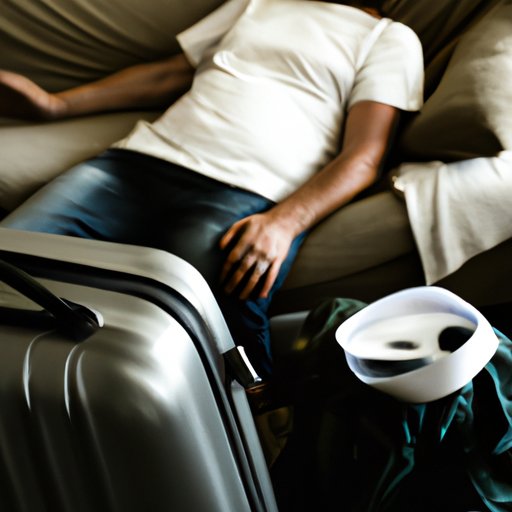
Exploring the Physical Effects of Travel Fatigue
There are several physical factors that can contribute to travel fatigue, including jet lag, dehydration, and poor diet. Let’s take a look at each of these in more detail:
Impact of Jet Lag on Sleep Patterns
Jet lag is one of the most common causes of travel fatigue. This is because travelling across time zones disrupts your body’s natural circadian rhythm, making it difficult to fall asleep and stay asleep. According to a study published in the journal Sleep Medicine, jet lag can lead to a decrease in alertness, focus, and performance, as well as increased anxiety and irritability.
Dehydration and its Role in Tiredness
Dehydration can also contribute to travel fatigue. When you’re travelling, it’s easy to forget to drink enough water, which can lead to dehydration. Dehydration has been linked to fatigue, headaches, and decreased cognitive performance, so it’s important to stay hydrated while on the road.
The Impact of Poor Diet on Energy Levels
Poor diet can also lead to travel fatigue. Eating processed foods and sugary snacks on the go can lead to a crash in energy levels, as can skipping meals. It’s important to make sure you’re eating nutritious, balanced meals to keep your energy levels up during your travels.

Examining the Mental and Emotional Impact of Jet Lag
In addition to the physical effects of travel fatigue, there are also mental and emotional factors that can contribute to exhaustion. These include anxiety and stress during the flight, negative thoughts and emotions from long journeys, and culture shock.
Anxiety and Stress During Flight
Anxiety and stress can both contribute to travel fatigue. Many people experience anxiety when they’re travelling, particularly when flying, which can lead to feelings of exhaustion. According to a study published in the journal Stress and Health, people who experience higher levels of anxiety during flights are more likely to suffer from post-flight fatigue.
Negative Thoughts and Emotions from Long Journeys
Long journeys can also lead to negative thoughts and emotions that can contribute to travel fatigue. Being cooped up in a plane, train, or car for an extended period of time can lead to boredom, frustration, and irritability, all of which can contribute to post-trip exhaustion.
How Culture Shock Can Lead to Feelings of Exhaustion
Culture shock can also lead to feelings of exhaustion. Adjusting to a new culture and environment can be mentally and emotionally draining, and this can lead to fatigue. According to a study published in the journal Applied Psychology, people who experience culture shock are more likely to suffer from feelings of exhaustion and fatigue.
Investigating the Relationship Between Sleep Deprivation and Travel
Sleep deprivation can also be a major contributor to travel fatigue. Not getting enough sleep can lead to a decrease in energy levels and an increase in irritability and anxiety, all of which can contribute to post-trip exhaustion.
How Lack of Sleep Contributes to Fatigue
Lack of sleep can lead to fatigue in a number of ways. According to a study published in the journal Sleep Medicine Reviews, sleep deprivation can impair cognitive functioning and lead to decreased alertness and concentration. It can also lead to increased irritability and mood swings, all of which can contribute to feelings of exhaustion.
How Disrupting Your Normal Sleep Routine Can Cause Exhaustion
Travelling can also disrupt your normal sleep routine, which can lead to fatigue. Staying up late to explore a new city or trying to adjust to a new time zone can cause your body to become confused and make it difficult to fall asleep. This can lead to a decrease in energy levels, as well as increased irritability and mood swings.
The Effects of Different Time Zones on Sleep Quality
Travelling across different time zones can also have a significant impact on your sleep patterns. According to a study published in the journal Sleep Medicine, travelling across time zones can lead to jet lag, which can disrupt your body’s natural circadian rhythm and lead to decreased sleep quality. This can lead to increased fatigue and exhaustion.
Analyzing the Role of Stress in Exhaustion After a Trip
Stress can also play a role in post-trip exhaustion. Unexpected issues, such as flight delays and missed connections, can lead to increased stress levels, which can contribute to fatigue.
How Stressful Situations Can Lead to Post-Vacation Fatigue
Stressful situations can lead to fatigue in a number of ways. According to a study published in the journal Stress and Health, stress can lead to a decrease in energy levels and an increase in irritability and anxiety. It can also lead to insomnia, which can further exacerbate feelings of exhaustion.
The Impact of Unfamiliar Environments on Relaxation
Unfamiliar environments can also lead to increased stress levels, which can contribute to fatigue. Travelling to a new place can be exciting, but it can also be overwhelming. This can lead to feelings of anxiety, which can lead to decreased energy levels and feelings of exhaustion.
How Unforeseen Issues Can Contribute to Stress
Unforeseen issues, such as flight delays and missed connections, can also lead to increased stress levels. In a study published in the journal Stress and Health, researchers found that unexpected issues can lead to increased levels of stress, which can contribute to fatigue.

Unpacking the Causes of Tiredness During and After Vacation
Finally, it’s important to consider the role that overdoing it can play in travel fatigue. Trying to do too much during a trip can lead to exhaustion, as can taking on too many activities or staying up too late.
How Overdoing It Can Lead to Exhaustion
Overdoing it can lead to exhaustion in several ways. Trying to cram too much into a day can lead to increased stress levels and decreased energy levels, both of which can contribute to fatigue. According to a study published in the journal Stress and Health, people who try to do too much during a trip are more likely to experience post-trip exhaustion.
Why Taking Breaks During Vacations is Important
It’s also important to take breaks during vacations. Taking regular breaks throughout the day can help to reduce stress levels and increase energy levels. According to a study published in the journal Stress and Health, people who take regular breaks during their trips are less likely to experience post-trip exhaustion.
The Impact of Too Much Stimulation on Energy Levels
Finally, it’s important to consider the impact of too much stimulation on energy levels. Trying to take in too much information in a short period of time can lead to sensory overload, which can lead to decreased energy levels and feelings of exhaustion. Taking regular breaks and limiting your exposure to new experiences can help to prevent sensory overload and maintain your energy levels.
Conclusion
Travel fatigue is a common issue that many people face after a trip. There are several physical, mental, and emotional factors that can contribute to exhaustion, including jet lag, dehydration, poor diet, anxiety and stress, negative thoughts and emotions, culture shock, sleep deprivation, and stress. It’s important to be aware of these factors and take steps to prevent them in order to avoid post-trip exhaustion. Taking breaks, staying hydrated, and eating healthy meals can help to reduce travel fatigue and ensure that you get the most out of your trip.
(Note: Is this article not meeting your expectations? Do you have knowledge or insights to share? Unlock new opportunities and expand your reach by joining our authors team. Click Registration to join us and share your expertise with our readers.)