
Introduction
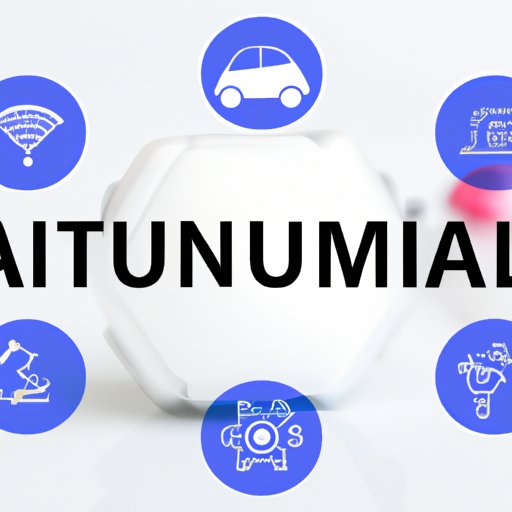
Artificial intelligence (AI) has become an integral part of our lives. From self-driving cars to virtual assistants, AI is being used in a variety of ways to improve efficiency, accuracy, and safety. AI is a branch of computer science that focuses on creating machines that are capable of performing tasks that would normally require human intelligence. AI systems can learn from data, recognize patterns, and make decisions based on their findings. As AI continues to evolve, it is being applied to a wide range of sectors, from healthcare to education. This article will explore the current and potential applications of AI and examine the ethical considerations that must be taken into account when utilizing AI-powered solutions.
Autonomous Vehicles
The development of autonomous vehicles has been one of the most significant advances in AI technology. Self-driving cars are equipped with sensors and cameras that allow them to detect and respond to their environment. By leveraging AI, autonomous vehicles are able to navigate roads, avoid obstacles, and obey traffic laws without human intervention. The implementation of autonomous vehicles could revolutionize the transportation industry by reducing traffic accidents and congestion and making travel more efficient. However, there are still several challenges posed by AI in this field, such as ensuring the safety of passengers and pedestrians and protecting against cyberattacks.
Healthcare
AI is also being utilized in the healthcare sector to improve patient care. AI-based systems can help diagnose medical conditions more accurately and quickly than traditional methods. They can also be used to monitor patient vitals, identify potential health risks, and provide personalized treatment plans. AI-powered technologies have the potential to revolutionize diagnostics and treatment and provide more efficient and effective healthcare services. However, there are ethical considerations that must be taken into account, such as protecting patient privacy and ensuring the accuracy of AI-based systems.
Smart Homes
The concept of smart homes is becoming increasingly popular, as more people are turning to AI-enabled solutions to manage their homes. Smart home systems can be used to automate everyday tasks, such as controlling lighting and temperature, managing security systems, and monitoring energy usage. By leveraging AI, these systems can anticipate user needs and provide personalized experiences. While AI-controlled homes offer numerous benefits, there are also potential issues that must be addressed, such as protecting user data and ensuring the accuracy of automated tasks.
Education
AI is also being used to enhance learning experiences in the classroom. AI-based systems can be used to personalize instruction and provide feedback to students in real time. AI-powered technologies can also be used to assess student performance, track progress, and generate individualized learning plans. By harnessing the power of AI, educators can create engaging and interactive learning environments that can help students reach their full potential. However, there are ethical considerations that must be taken into account, such as ensuring the accuracy and fairness of AI-based assessments.
Business
AI is being used to transform industries across the globe. AI-powered solutions can be used to automate mundane tasks, streamline operations, and improve customer service. AI-driven technologies can also be used to analyze large amounts of data and provide valuable insights into customer behavior and market trends. By leveraging AI, businesses can gain a competitive edge and maximize their profits. However, there are ethical considerations that must be taken into account, such as protecting user data and preventing AI bias.
Security
AI-based systems are being used to improve surveillance and protection. AI-enabled cameras are able to detect suspicious activities and alert authorities in real time. AI-driven facial recognition systems can also be used to identify individuals and prevent unauthorized access. By leveraging AI, security systems can be made more effective and efficient. However, there are ethical considerations that must be taken into account, such as protecting user privacy and preventing AI bias.
Robotics
AI is being used to develop humanoid robots with advanced capabilities. These robots can be used for a variety of purposes, from providing assistance to elderly people to performing complex tasks in hazardous environments. By leveraging AI, robots can be programmed to recognize objects, interact with humans, and make decisions based on their findings. While AI-enabled robots offer numerous benefits, there are also ethical considerations that must be taken into account, such as protecting user data and ensuring the safety of robotic systems.
Conclusion
AI is being used in a variety of ways to improve efficiency, accuracy, and safety. From autonomous vehicles to robotics, AI-powered solutions are transforming industries and revolutionizing the way we live. AI has the potential to revolutionize our world, but it must be used responsibly and ethically. As AI continues to evolve, it is important to consider the potential implications of AI-based systems and take measures to protect user data and ensure the accuracy and fairness of AI-based systems.
(Note: Is this article not meeting your expectations? Do you have knowledge or insights to share? Unlock new opportunities and expand your reach by joining our authors team. Click Registration to join us and share your expertise with our readers.)