
Introduction
Robotics is the science and technology of designing, building, programming, and operating robots. It is a rapidly advancing field that is being used in many different areas of society, including manufacturing, healthcare, transportation, education, and entertainment. As robots become more advanced and their capabilities continue to expand, it is important to explore what they may be able to do in the future. In this article, we will examine the potential roles of robots in the future and discuss the benefits and limitations associated with the use of robotics and artificial intelligence (AI).
A Look Into the Future: How Robots Will Revolutionize Our Lives
As robots become increasingly sophisticated and more integrated into our lives, the possibilities for how they can revolutionize everyday tasks are endless. Automation of everyday tasks such as cleaning, cooking, and shopping could save us time and effort, while increased efficiency could result in improved accuracy in completing tasks. Additionally, the integration of AI into everyday life could lead to increased productivity and improved decision-making.
The Role of Artificial Intelligence in the Automation of Everyday Tasks
AI-based robots have been developed to automate mundane tasks such as vacuuming, mowing the lawn, and washing dishes. These robots use sensors and algorithms to identify objects and navigate around obstacles. They can also be programmed to complete complex tasks such as folding laundry or preparing meals. As AI-based robots become more prevalent, they will be able to take on more complicated tasks and reduce the amount of time and effort needed to complete them.
Exploring the Potential of Robotics in Healthcare
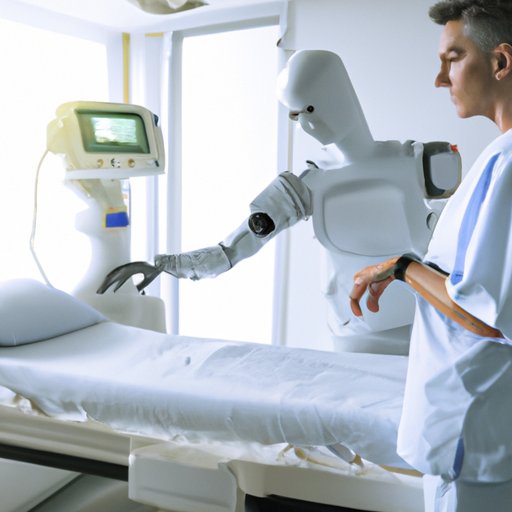
Robots have the potential to revolutionize the healthcare industry. According to a study conducted by the Massachusetts Institute of Technology, robotic systems can improve accuracy in diagnosis and treatment, reduce costs associated with healthcare, and enhance safety for patients. Robotics can also be used to assist surgeons during operations, reducing the risk of human error and helping to ensure a successful outcome.
The Impact of Robotics on Education and Learning
Robots can provide students with access to educational resources that may not otherwise be available, such as virtual tutors and interactive learning tools. Additionally, robots can help to engage students in the classroom and provide enhanced opportunities for learning. By using robots to facilitate learning, students can gain a deeper understanding of concepts and develop skills that will serve them well in the future.
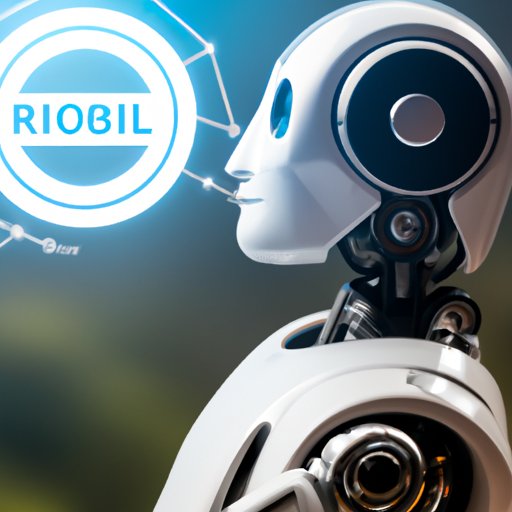
The Rise of Humanoid Robots and Their Place in Society
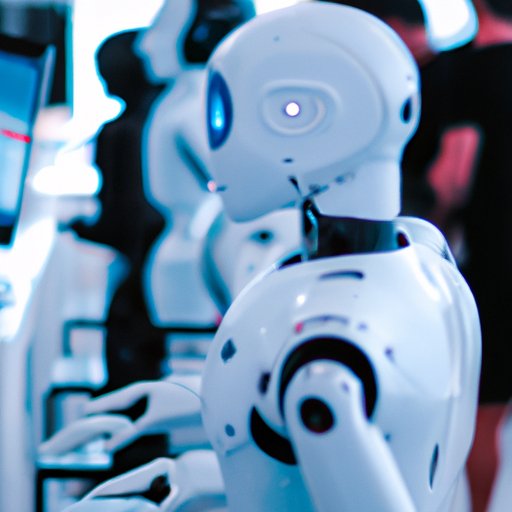
Humanoid robots are becoming increasingly common in our society. These robots have the potential to increase efficiency in completing tasks, improve social interaction with humans, and even provide companionship. As humanoid robots become more advanced, they will be able to perform a wide range of functions and interact with humans in more natural ways.
The Pros and Cons of Robots in the Workplace
Robots can offer numerous benefits to businesses, such as increased efficiency, improved accuracy, and reduced costs. However, there are also potential drawbacks to consider, such as job displacement and ethical considerations. Businesses should weigh the pros and cons carefully before deciding whether or not to invest in robotics.
The Ethical Implications of Robotics and AI
As robots become more advanced and autonomous, ethical considerations must be taken into account. Who is responsible if a robot causes harm? What safeguards should be put in place to prevent misuse of technology? These are questions that need to be addressed in order to ensure that robots are used responsibly and ethically.
Conclusion
Robotics has the potential to revolutionize our lives in many different ways. From automation of everyday tasks to improved accuracy in healthcare, the possibilities for how robots can impact our lives are vast. However, there are also potential ethical implications that must be considered when developing and deploying robots. As the field of robotics continues to evolve, it is important to keep these issues in mind in order to ensure that robots are used responsibly and ethically.
(Note: Is this article not meeting your expectations? Do you have knowledge or insights to share? Unlock new opportunities and expand your reach by joining our authors team. Click Registration to join us and share your expertise with our readers.)