
Introduction
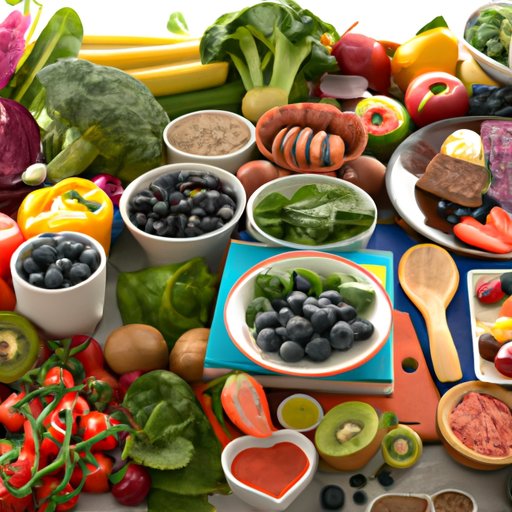
Eating a balanced diet full of nutrient-rich foods is essential for good health. Superfoods are nutrient-dense foods that have numerous health benefits. They provide essential vitamins, minerals, antioxidants, and other nutrients that can help reduce the risk of certain diseases and keep the body functioning at its best. Eating a variety of superfoods can help you get the recommended daily intake of vitamins and minerals while also providing extra protection against illness and disease.

Superfoods to Include in Your Diet
The following is a list of the top 10 superfoods that should be a part of your diet:
- Oats
- Salmon
- Blueberries
- Kale
- Garlic
- Spinach
- Avocados
- Almonds
- Yogurt
- Chia Seeds
Oats are a great source of fiber, which can help lower cholesterol levels and reduce the risk of heart disease. Salmon is an excellent source of omega-3 fatty acids, which can help protect against inflammation and boost brain function. Blueberries are packed with antioxidants, which can help protect cells from damage caused by free radicals. Kale is an excellent source of vitamin A, which can help support eye health. Garlic is known for its anti-inflammatory properties, which can help reduce the risk of chronic diseases. Spinach is a great source of iron and vitamin K, which can help boost immunity and improve bone health. Avocados are a great source of healthy fats, which can help lower bad cholesterol levels and reduce the risk of heart disease. Almonds are a great source of vitamin E, which can help protect against oxidative stress. Yogurt is a great source of probiotics, which can help promote gut health. Chia seeds are a great source of protein and fiber, which can help keep you feeling fuller for longer.

Different Types of Food and Their Benefits
Whole grains are an important part of any healthy diet. They are packed with fiber, B vitamins, and other nutrients that can help reduce the risk of heart disease and type 2 diabetes. Examples of whole grains include oats, barley, quinoa, and brown rice. Legumes are another important part of a healthy diet. They are a great source of plant-based protein, fiber, and other nutrients that can help reduce the risk of chronic diseases. Examples of legumes include beans, peas, lentils, and chickpeas. Fruits and vegetables should also be a part of your diet. They are full of vitamins, minerals, antioxidants, and other nutrients that can help boost immunity and reduce the risk of chronic diseases.
Healthy Eating Habits
In an interview with nutritionists and dietitians, they provided some advice on healthy eating habits that everyone should follow. They recommend planning ahead and packing healthy snacks to avoid unhealthy cravings. They also encourage people to practice mindful eating, which means eating slowly and paying attention to hunger and fullness signals. Lastly, they suggest setting realistic goals and making small changes to create long-term habits.
Portion Control
Portion control is an important part of maintaining a healthy diet. Proper portions will help you stay within your calorie goals and ensure that you are getting the right amount of nutrients each day. It is important to pay attention to serving sizes and use measuring cups and spoons to help you stay on track.
Making Healthier Versions of Favorite Dishes
It is possible to make healthier versions of your favorite dishes. You can substitute low-fat ingredients such as Greek yogurt or low-fat cheese for full-fat versions. You can also use whole wheat flour instead of white flour and opt for brown rice instead of white rice. Some examples of popular dishes you can make healthier versions of include macaroni and cheese, pizza, tacos, and burgers.
Creating Balanced Meals
Creating balanced meals is an important part of a healthy diet. Each meal should include a combination of proteins, carbohydrates, and healthy fats. Examples of proteins include lean meats, fish, eggs, and tofu. Whole grains, starchy vegetables, and legumes are examples of carbohydrates. Healthy fats include avocados, nuts, and olive oil.
Conclusion
Eating a balanced diet full of nutrient-rich foods is the key to good health. Superfoods are nutrient-dense foods that have numerous health benefits and should be included in your diet. Different types of food and their benefits should be taken into account when creating balanced meals. Eating healthy does not mean depriving yourself; it simply means making smarter food choices. Portion control is also important for keeping your diet on track. Finally, you can enjoy your favorite dishes by making healthier versions of them.
By incorporating superfoods into your diet, practicing portion control, and making healthier versions of your favorite dishes, you can maintain a healthy diet and reduce your risk of certain diseases. Eating a balanced diet full of nutrient-rich foods is essential for good health, and the key is to make smart food choices.
(Note: Is this article not meeting your expectations? Do you have knowledge or insights to share? Unlock new opportunities and expand your reach by joining our authors team. Click Registration to join us and share your expertise with our readers.)