

Introduction
Whole wheat has become increasingly popular in recent years due to its numerous health benefits. But what exactly is whole wheat and is it really a healthy food? This article will explore the nutrition of whole wheat and provide a comprehensive guide to understanding its health benefits and drawbacks.
Analyzing the Nutrition of Whole Wheat: Is It Really Healthy?
Whole wheat is a type of grain harvested from wheat plants. It is composed of three parts: bran, germ, and endosperm. The bran is the outer layer of the grain and contains dietary fiber, B vitamins, and minerals; the germ is the inner core of the grain and is high in vitamin E, magnesium, zinc, and B vitamins; and the endosperm is the middle layer and is made up of mostly carbohydrates and proteins.
Whole wheat is an excellent source of essential nutrients such as fiber, vitamins, minerals, and antioxidants. It is also low in calories and fat and contains no cholesterol or sodium.

Exploring the Pros and Cons of Eating Whole Wheat
Whole wheat offers numerous health benefits, but it also has some drawbacks. Here are some of the advantages and disadvantages of eating whole wheat:
Advantages of Whole Wheat
Whole wheat is an excellent source of dietary fiber, which helps to keep you feeling full for longer periods of time and can help lower cholesterol levels. Whole wheat is also high in complex carbohydrates, which provide energy for your body throughout the day. Additionally, whole wheat is rich in essential vitamins and minerals such as folate, iron, magnesium, and zinc. Finally, whole wheat is low in calories and fat and contains no cholesterol or sodium.
Disadvantages of Whole Wheat
Whole wheat does contain gluten, which can be difficult for people with celiac disease or gluten sensitivities to digest. Additionally, some people may find the taste of whole wheat products to be unappealing. Finally, whole wheat products can be more expensive than refined grains.
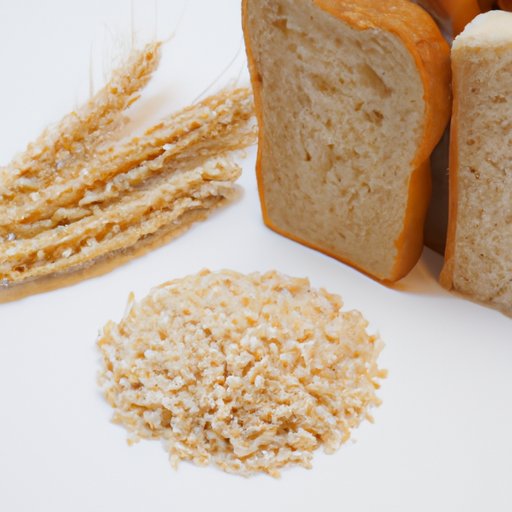
A Comprehensive Guide to Understanding Whole Wheat Nutrition
In order to get the most out of whole wheat, it is important to understand its nutritional profile and how to incorporate it into your diet. Here is a comprehensive guide to understanding whole wheat nutrition:
Types of Whole Wheat Products
There are many types of whole wheat products available, including breads, pastas, cereals, crackers, tortillas, and more. When shopping for whole wheat products, look for items that list “whole wheat” or “whole grain” as the first ingredient on the label. Additionally, always check the nutrition facts panel for additional information about the product.
Recommended Daily Intake of Whole Wheat
The recommended daily intake of whole wheat is three to five servings per day. A serving size is typically one slice of whole wheat bread, one-half cup of cooked whole wheat pasta, or one cup of ready-to-eat cereal.
Tips for Incorporating Whole Wheat into Your Diet
One of the best ways to include whole wheat in your diet is by substituting whole wheat products for refined grains. For example, choose whole wheat bread instead of white bread, whole wheat pasta instead of white pasta, and whole wheat crackers instead of regular crackers. Additionally, you can add ground flaxseed or wheat germ to smoothies, yogurt, oatmeal, and other recipes for an extra boost of nutrition.
Debunking Common Myths About Whole Wheat Health Benefits
While there are many health benefits associated with eating whole wheat, there are also some common myths. Here are three of the most common myths about whole wheat and the truth behind them:
Myth 1: Whole Wheat is High in Calories
This is false. While whole wheat products are higher in calories than refined grains, they are still low in calories overall. One slice of whole wheat bread contains only 70 calories, while one slice of white bread contains 80 calories.
Myth 2: Whole Wheat Causes Weight Gain
This is also false. In fact, research shows that eating whole wheat can help promote weight loss. Studies have found that people who eat whole wheat tend to have lower body weights than those who don’t.
Myth 3: Whole Wheat Contains Unhealthy Fats
This is false. While some whole wheat products may contain small amounts of unhealthy fats, these are usually found in processed products such as cookies and cakes.
The Science Behind Whole Wheat: What Does Research Say?
Studies have shown that eating whole wheat can have numerous health benefits. Here is a look at some of the research on whole wheat:
Studies on Whole Wheat’s Impact on Blood Sugar Levels
Research has found that eating whole wheat can help regulate blood sugar levels. Studies have shown that people who eat whole wheat have lower levels of fasting glucose and insulin compared to those who don’t.
Studies on Whole Wheat’s Impact on Cholesterol Levels
Studies have also found that eating whole wheat can help lower cholesterol levels. Research has shown that people who eat whole wheat have lower levels of LDL (bad) cholesterol and higher levels of HDL (good) cholesterol.
Studies on Whole Wheat’s Impact on Digestive Health
Finally, studies have found that eating whole wheat can help improve digestive health. Research has shown that people who eat whole wheat have lower rates of constipation and other digestive issues.
Conclusion
Whole wheat is a nutritious food that can be incorporated into any diet. It is an excellent source of dietary fiber, vitamins, minerals, and antioxidants, and it is low in calories and fat. Studies have shown that eating whole wheat can help regulate blood sugar levels, lower cholesterol, and improve digestive health.
When incorporating whole wheat into your diet, make sure to choose products that list “whole wheat” or “whole grain” as the first ingredient. Additionally, aim for three to five servings of whole wheat per day. Following these tips can help ensure that you get the most out of whole wheat’s health benefits.
In conclusion, whole wheat is a healthy food that can be included in any diet. Eating whole wheat can help regulate blood sugar levels, lower cholesterol, and improve digestive health. By following the tips outlined in this article, you can maximize the health benefits of whole wheat and enjoy all of its nutritional benefits.
(Note: Is this article not meeting your expectations? Do you have knowledge or insights to share? Unlock new opportunities and expand your reach by joining our authors team. Click Registration to join us and share your expertise with our readers.)