

Introduction
Artificial intelligence (AI) has been a hot topic for some time now. But what exactly is AI, and is it real? In this article, we will explore the reality of AI and its potential impacts on society, examining the ethical implications of AI and how it is changing the workforce. We will also take a closer look at the role AI plays in our lives in everyday life, education, and healthcare.
Examining the Reality of AI: What We Know and Don’t Know
Before delving into the reality and potential impacts of AI, it is important to first define what AI is. AI is an umbrella term for any computer system that can perform tasks normally requiring human intelligence, such as visual perception, decision-making, natural language processing, and translation. AI systems are designed to learn from their environment, adapt to new inputs, and make decisions without human intervention.
When it comes to the current state of AI technology, there is no doubt that it is advancing rapidly. AI systems are already being used in many industries, including healthcare, finance, transportation, and retail. However, despite the advances made in AI technology, there is still much to be learned about the potential impacts of AI on society.
One of the biggest questions surrounding AI is whether or not it should be allowed to operate autonomously, without any human control or oversight. While AI systems are capable of learning and making decisions on their own, there is still a need for humans to be involved in the decision-making process, in order to ensure that the AI system is making ethical decisions. This debate around autonomy is one that is sure to continue as AI technology continues to evolve.
Exploring the Impacts of AI on Society
As AI technology continues to advance, it is important to consider both the potential benefits and risks associated with AI. On the one hand, AI can help to solve complex problems that would otherwise be too difficult for humans to tackle alone. For example, AI systems have been used to develop medical treatments, automate tedious tasks, and improve customer service.
On the other hand, there are also potential risks associated with AI, such as the potential for bias in decision-making, or the possibility of job loss due to automation. As AI technology continues to evolve, it is essential that careful consideration is given to the potential impacts of AI on society, in order to ensure that any potential risks are managed appropriately.
Unpacking the Debate Around AI Ethics
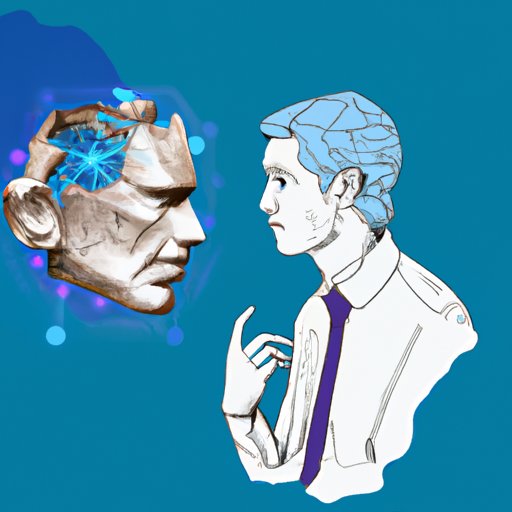
Another key issue when it comes to AI technology is the moral and ethical implications of using it. The use of AI raises questions about who is responsible for the decisions made by AI systems, and whether or not those decisions are ethical. In order to address these concerns, many organizations are developing guidelines for ethical AI development, which aim to ensure that AI systems are developed and used responsibly.
In addition to developing guidelines for ethical AI development, there is also a need to ensure that AI systems are subject to proper oversight. This could include the establishment of independent regulatory bodies to oversee the use of AI, as well as the implementation of measures to ensure that AI systems are held accountable for their decisions.
How AI is Changing the Workforce
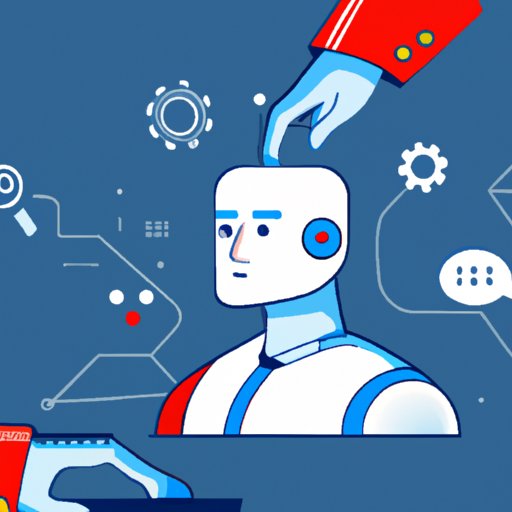
AI technology is also having a significant impact on the workforce. Automation is leading to job losses in many industries, as machines are increasingly taking over tasks that were previously done by humans. However, there are also potential gains to be made from AI, as it can lead to increases in productivity and efficiency. In addition, AI can also create new opportunities for human workers, such as by allowing them to focus on higher-value tasks.
It is important to note, however, that the impact of AI on the workforce is not just limited to job losses and gains. AI is also transforming the way that people work, as more and more tasks are automated, and the human element of work becomes less important. This has implications for how we think about work, and how we value human skills and labour.

A Closer Look at the Role AI Plays in Our Lives
AI technology is becoming increasingly pervasive in our lives, and is being used in a wide range of applications. AI is being used in everyday life, from virtual assistants like Alexa and Siri, to smart home devices like thermostats and security cameras. AI is also being used in education, from automated grading systems to virtual tutors.
AI is also playing an increasingly important role in healthcare, from diagnosing diseases and providing personalized treatments, to helping doctors make better decisions. AI is also being used to develop new drugs and treatments, and to improve the efficiency of healthcare systems.
Conclusion
The reality of AI is that it is here and it is here to stay. AI technology is advancing rapidly and has the potential to revolutionize the way we live and work. However, it is important to consider the potential impacts of AI on society, and to ensure that it is used ethically and responsibly. AI can bring both benefits and risks, and it is up to us to ensure that the potential benefits are realized, while mitigating any potential risks.
At the same time, it is important to recognize the role that AI is playing in our lives, from everyday life to healthcare. AI is transforming the way we work, and it is important to understand the implications of this transformation, and to ensure that people are equipped with the skills they need to thrive in the new AI-driven economy.
(Note: Is this article not meeting your expectations? Do you have knowledge or insights to share? Unlock new opportunities and expand your reach by joining our authors team. Click Registration to join us and share your expertise with our readers.)