
Introduction
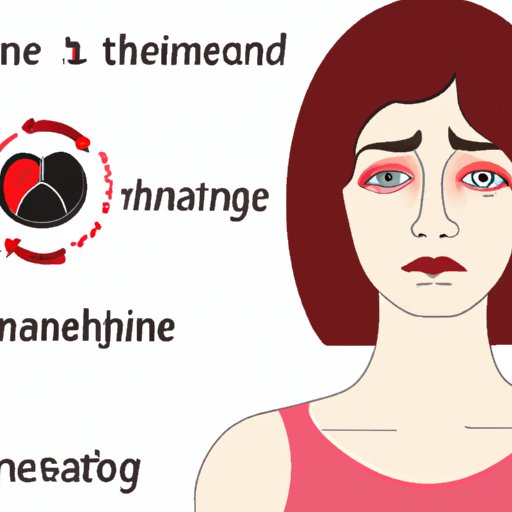
Anemia is a condition in which the body does not have enough healthy red blood cells. These cells are responsible for carrying oxygen throughout the body and without them, the body cannot function properly. Anemia can be caused by a variety of factors, such as not getting enough iron in the diet, having certain chronic illnesses, or having certain hereditary conditions. Symptoms of anemia can range from mild to severe and can include fatigue, pale skin and lips, shortness of breath or chest pain, dizziness or lightheadedness, headaches, and cold hands and feet.
Diagnosis
If you suspect that you may have anemia, it is important to seek medical attention. Your doctor will likely order a blood test to check your hemoglobin and hematocrit levels. Hemoglobin is a protein found in red blood cells that carries oxygen, while hematocrit is a measure of the percentage of red blood cells in your blood. If your hemoglobin and hematocrit levels are low, it could indicate that you are anemic.
Signs and Symptoms
In addition to low hemoglobin and hematocrit levels, there are other signs and symptoms that may indicate anemia. These include:
- Fatigue
- Pale skin and lips
- Increased heart rate and breathing rate
- Shortness of breath or chest pain
- Dizziness or lightheadedness
- Headaches
- Cold hands and feet
If you experience any of these symptoms, it is important to seek medical attention. Your doctor can help determine if you are anemic and recommend the appropriate treatment plan.
Treatment Options
The treatment for anemia depends on its cause. In some cases, dietary changes may be recommended, such as eating foods that are rich in iron, such as red meat, dark leafy greens, beans, and fortified cereals. Iron supplements may also be prescribed. For more severe cases, medications may be necessary. These may include vitamin B12 injections or medications to increase red blood cell production.
In addition to medical treatments, lifestyle changes can also help reduce the symptoms of anemia. These include getting regular exercise, avoiding smoking, and managing stress.
Conclusion
Anemia is a condition in which the body does not have enough healthy red blood cells. Symptoms of anemia can range from mild to severe and can include fatigue, pale skin and lips, shortness of breath or chest pain, dizziness or lightheadedness, headaches, and cold hands and feet. If you experience any of these symptoms, it is important to seek medical attention. Your doctor can help determine if you are anemic and recommend the appropriate treatment plan, which may include dietary changes, iron supplements, or medications. Lifestyle changes, such as getting regular exercise, avoiding smoking, and managing stress, can also help reduce the symptoms of anemia.
(Note: Is this article not meeting your expectations? Do you have knowledge or insights to share? Unlock new opportunities and expand your reach by joining our authors team. Click Registration to join us and share your expertise with our readers.)