
Introduction
Exercise is an essential part of maintaining physical and mental health. It has been proven to reduce risk of chronic diseases, improve overall fitness, and boost mood. But how much exercise should you get each day? This article explores the different types of exercise, the associated health benefits, and the recommended guidelines for exercise per day.
Different Types of Exercise
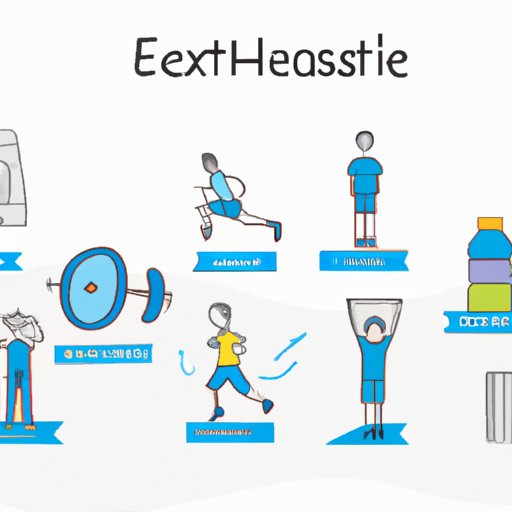
There are three main types of exercise: aerobic exercise, strength training, and flexibility exercises. Aerobic exercise involves sustained, rhythmic movement that increases heart rate and breathing. Examples include walking, running, swimming, cycling, and dancing. Strength training strengthens muscles and bones and improves balance and posture. Examples include weight lifting, bodyweight exercises, and resistance band exercises. Flexibility exercises increase range of motion and reduce muscle tension. Examples include stretching, yoga, and Pilates.
Health Benefits of Exercise
Physical activity has numerous physical health benefits. Regular exercise can reduce risk of cardiovascular disease, stroke, type 2 diabetes, and certain cancers. It can also help manage blood pressure, cholesterol, and blood sugar levels. Additionally, exercise helps maintain healthy bones, muscles, and joints, as well as improve balance and coordination.
Regular exercise also has numerous mental health benefits. It can help reduce stress, anxiety, and depression, and improve sleep quality. Exercise can also increase self-esteem, boost focus and concentration, and improve overall mood.
Role of Exercise in Weight Management
Exercise plays an important role in weight management. When combined with a healthy diet, regular exercise can help maintain a healthy weight. Exercise can also help individuals lose or gain weight, depending on their goals. The amount of exercise needed to achieve these goals varies from person to person.
The American Heart Association recommends adults get at least 150 minutes of moderate-intensity aerobic exercise or 75 minutes of vigorous-intensity aerobic exercise per week. Additionally, adults should do strength training exercises at least twice per week. For weight loss, more exercise may be necessary. Individuals should talk to their doctor or a nutritionist to determine the best approach for their individual needs.
Conclusion
In conclusion, exercise is an essential part of maintaining physical and mental health. Different types of exercise have different benefits, but all can help reduce risk of chronic diseases, improve overall fitness, and boost mood. The American Heart Association recommends adults get at least 150 minutes of moderate-intensity aerobic exercise or 75 minutes of vigorous-intensity aerobic exercise per week, plus strength training exercises at least twice per week. For weight loss, more exercise may be necessary. Finally, individuals should talk to their doctor or a nutritionist to determine the best approach for their individual needs.
(Note: Is this article not meeting your expectations? Do you have knowledge or insights to share? Unlock new opportunities and expand your reach by joining our authors team. Click Registration to join us and share your expertise with our readers.)