
Introduction
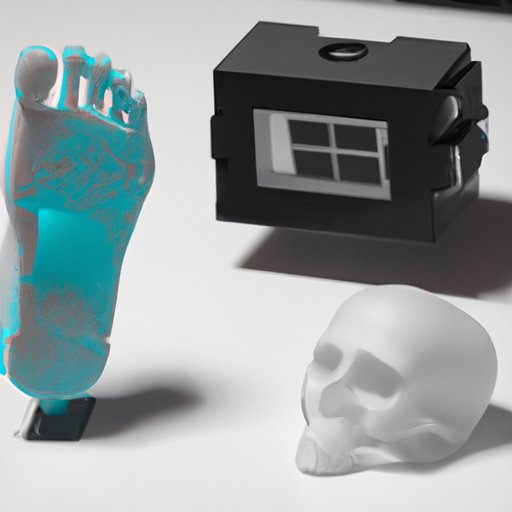
Technology has revolutionized the way we live our lives, from the way we communicate to the way we work and even the way we access healthcare. Technology has changed the face of medicine, transforming traditional treatments into more effective and efficient processes with improved accuracy and outcomes. This article examines the various ways in which technology has impacted the medical field, including robotics, artificial intelligence, telemedicine, wearable devices and 3D printing.
Examining the Impact of Technology on Medical Treatments
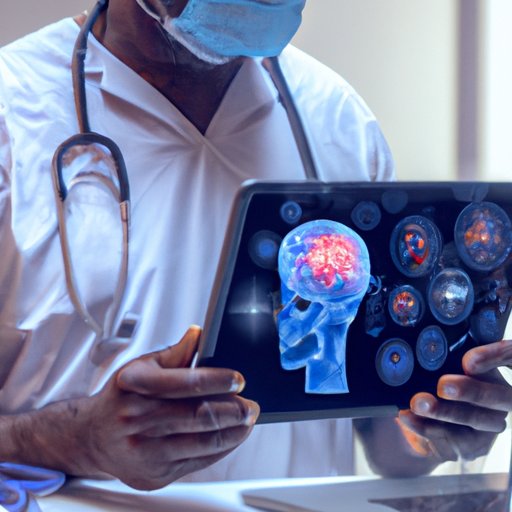
The use of technology in the medical field has vastly improved the accuracy and efficiency of treatments, allowing doctors to diagnose and treat illnesses more quickly and effectively. According to a study conducted by the American Medical Association, “the use of health IT (information technology) can reduce costs by eliminating redundant or unnecessary tests and procedures, reducing medical errors, and improving clinical decision making.” This means that not only are treatments becoming more accurate and efficient, but also that patients are receiving better care in a shorter amount of time, leading to improved patient satisfaction.
In addition, technology has improved access to medical care by providing tools such as online doctor visits, telemedicine, and remote patient monitoring. These tools allow patients to access medical care from anywhere in the world, meaning they don’t have to wait for an appointment or travel to see a doctor. Furthermore, advances in communication technology have improved communication between doctors and patients, leading to better understanding and improved patient satisfaction.
Exploring the Role of Robotics in Medicine
Robotics is playing an increasingly important role in medicine, from automating medical processes to assisting with diagnosis and surgery. Robotics technology can be used to automate mundane tasks such as drawing blood, administering medication, and performing laboratory tests, freeing up doctors and nurses to focus on more complex tasks. In addition, robots can be used to assist with diagnosis and surgery, providing precision and accuracy not achievable by human hands.
Robotic technology can also be used to improve accuracy during surgeries, with robots able to perform delicate operations with minimal risk of human error. According to a study conducted by the University of Pennsylvania, “robotic-assisted surgeries are associated with improved accuracy and precision, reduced blood loss, and shorter hospital stays.” This means that robotic technology can help to reduce complications and improve outcomes for patients.
Analyzing the Use of Artificial Intelligence in Diagnostics
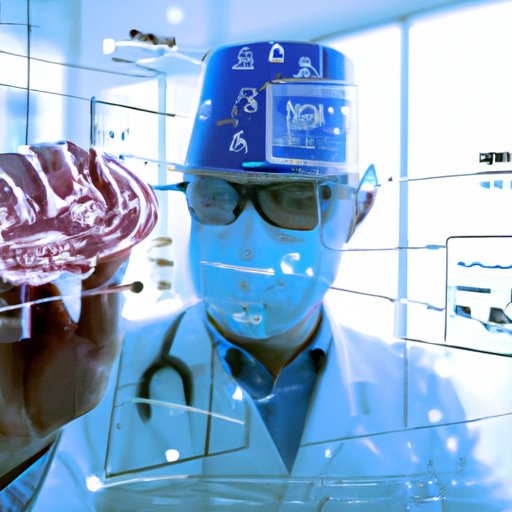
Artificial intelligence (AI) is being used in the medical field to detect diseases, predict outcomes, and provide personalized treatments. AI is being used to analyze large amounts of data quickly and accurately, allowing doctors to make decisions based on the most up-to-date information. AI can also be used to detect diseases earlier, allowing for quicker treatment and improved outcomes for patients.
In addition, AI can be used to predict outcomes based on a patient’s medical history and current condition. This can help doctors to provide more accurate diagnoses and personalized treatments, leading to improved outcomes for patients. However, there are potential ethical considerations with the use of AI in medicine, such as privacy concerns and the potential for bias.

Investigating the Benefits of Telemedicine
Telemedicine is the use of technology to provide medical care remotely, allowing patients to access medical care from anywhere in the world. Telemedicine can reduce the costs associated with in-person visits by eliminating the need for travel and reducing the amount of time spent in waiting rooms. In addition, it can improve convenience for both patients and providers, allowing them to connect without having to leave their homes.
Telemedicine can also increase access to medical care in areas where healthcare is limited or unavailable. According to a study conducted by the World Health Organization, “telemedicine has the potential to reduce disparities in access to health services and improve quality of care in underserved areas.” This means that telemedicine can be used to bridge the gap between those who have access to healthcare and those who do not.
Assessing the Application of Wearable Devices in Healthcare
Wearable devices such as fitness trackers and smartwatches are being used to monitor health and provide real-time data to doctors and patients. These devices can be used to track vital signs such as heart rate, blood pressure, and body temperature, allowing doctors to monitor a patient’s health more closely. In addition, wearable devices can be used to monitor physical activity and sleep patterns, helping to identify potential health issues before they become more serious.
The use of wearable devices can also help to improve prognoses by providing more accurate information about a patient’s health. According to a study conducted by the University of Washington, “wearable devices can provide more accurate information than self-reported data, enabling clinicians to more accurately assess patients and develop targeted interventions.” However, there are potential privacy concerns with the use of wearable technology, as data collected by these devices could be used for purposes other than healthcare.
Examining the Advancement of 3D Printing in the Medical Field
3D printing is being used in the medical field to create prosthetics, implants, and drug delivery systems. 3D printing is cost-effective and accurate, allowing for custom-made implants and prosthetics to be created quickly and easily. In addition, 3D printing can be used to create drug delivery systems, such as inhalers, patches, and pills, which can be tailored to a patient’s specific needs.
3D printing has the potential to revolutionize the medical field, offering improved accuracy and cost-effectiveness. However, there are potential ethical considerations with the use of 3D printing in medicine, such as the potential for unauthorized reproduction of medical products and the potential for misuse of 3D printed organs and tissues.
Conclusion
In conclusion, technology has revolutionized the medical field in a variety of ways. From robotics and artificial intelligence to telemedicine, wearable devices and 3D printing, technology has improved the accuracy and efficiency of treatments and increased access to medical care. Technology has also improved communication between doctors and patients, leading to better understanding and improved patient satisfaction. The potential of technology to revolutionize the medical field is immense, and the possibilities are endless.
(Note: Is this article not meeting your expectations? Do you have knowledge or insights to share? Unlock new opportunities and expand your reach by joining our authors team. Click Registration to join us and share your expertise with our readers.)