

Introduction
Technology has had an immense impact on all aspects of life, including healthcare. From improved access to medical information to increased quality of care to enhanced communication between patients and providers, technology has revolutionized the way healthcare is delivered. In this article, we will explore some of the ways that technology has changed healthcare, including telemedicine, artificial intelligence (AI), wearable technology, automation, and cloud computing. We will examine the benefits, challenges, and potential uses of each.
Examining the Impact of Technology on Patient Care
The impact of technology on healthcare can be seen in many areas, from improved access to medical information to increased quality of care to enhanced communication between patients and providers. According to a study by the American Hospital Association, “Technological advances have enabled hospitals to provide higher quality and more efficient care, while also providing patients with greater access to health information.”
Improved Access to Medical Information
One of the most significant impacts of technology on healthcare is improved access to medical information. With the widespread use of electronic health records, physicians are now able to easily access and share patient data, which has enabled them to provide better care and faster diagnosis. Additionally, the rise of online resources such as WebMD and Healthline have given patients access to reliable medical information.
Increased Quality of Care
Another benefit of technology in healthcare is increased quality of care. With the aid of technological tools such as robotic surgery and digital imaging, doctors are able to provide more accurate diagnoses and treatments. Additionally, the use of telemedicine has allowed patients to receive care remotely, which can help reduce wait times and improve access to care.
Enhanced Communication between Patients and Providers
Finally, technology has also improved communication between patients and providers. Through the use of electronic medical records, patients can easily communicate with their doctors and share important information about their health. Additionally, the use of telemedicine can enable remote consultation between doctors and patients, allowing for more efficient communication and better care.

Analyzing the Use of Telemedicine in Healthcare
Telemedicine is the use of telecommunications technology to provide medical care to patients remotely. This technology allows doctors to diagnose and treat patients at a distance, eliminating the need for in-person visits and making it possible to provide care to those who may not be able to travel to a doctor’s office. Here, we will explore the benefits, challenges, and potential uses of telemedicine.
Benefits of Telemedicine
There are numerous benefits to telemedicine, including increased access to care, improved communication between patients and providers, and cost savings. According to a study by the Agency for Healthcare Research and Quality, “Telemedicine can improve access to care for rural and underserved populations, facilitate communication between patients and providers, and reduce the costs associated with healthcare services.”
Challenges Faced with Telemedicine
Despite the many benefits of telemedicine, there are also some challenges that must be addressed. These include technical issues such as slow internet connections and lack of access to certain technologies, as well as legal and regulatory hurdles. Additionally, some healthcare providers may be reluctant to adopt telemedicine due to concerns about patient privacy and the quality of care provided.
Potential Uses of Telemedicine
Despite the challenges, telemedicine has the potential to revolutionize healthcare. Some potential uses of telemedicine include remote monitoring of chronic conditions, mental health counseling, primary care consultations, and post-discharge follow-up. Additionally, telemedicine can be used to provide education and training to medical practitioners, as well as to enable remote collaboration between healthcare providers.
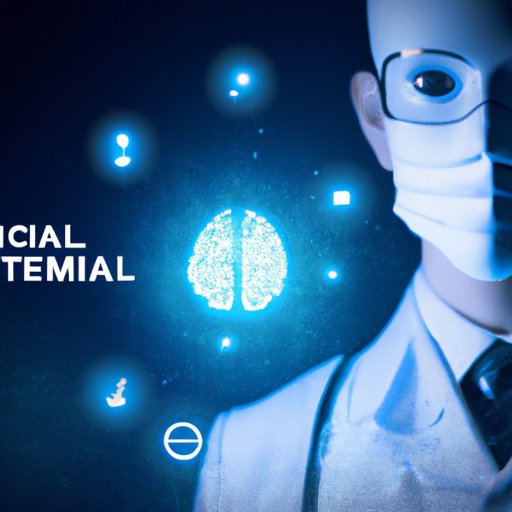
Exploring the Role of Artificial Intelligence in Healthcare
Artificial intelligence (AI) is a powerful tool that can be used to improve healthcare outcomes. AI can be used to analyze large amounts of data and make decisions quickly, enabling doctors to make more accurate diagnoses and treatments. Here, we will explore the benefits, current applications, and future potential of AI in healthcare.
Benefits of AI
There are many potential benefits of using AI in healthcare, including improved accuracy of diagnosis and treatment, reduced costs, and improved patient safety. AI can also be used to automate administrative tasks, freeing up clinicians to focus on providing care. According to a report by the World Health Organization, “AI can help to reduce costs and inefficiencies in healthcare delivery, improve patient outcomes, and empower clinicians.”
Current Applications of AI in Healthcare
AI is already being used in a variety of healthcare settings, from diagnostics to drug discovery to medical imaging. Additionally, AI can be used to interpret genetic data, identify patterns in patient data, and detect disease outbreaks. AI is also being used to develop virtual assistants and chatbots, which can provide answers to commonly asked questions and enable more efficient communication between patients and providers.
Future Potential of AI
The potential for AI in healthcare is vast. In the future, AI could be used to identify diseases earlier, predict health risks, and provide personalized treatment plans. Additionally, AI-powered robots could be used to assist in surgeries and other medical procedures. Finally, AI could be used to analyze large amounts of data and identify trends, allowing for more effective population health management.
Investigating the Benefits of Wearable Technology in Healthcare
Wearable technology is becoming increasingly common in healthcare, with devices such as fitness trackers and smart watches being used to monitor patient health. Here, we will explore the types of wearable technologies, their benefits, and the challenges they face.
Types of Wearable Technologies
The types of wearable technologies used in healthcare vary, but they generally fall into two categories: medical devices and consumer devices. Medical devices are designed specifically for healthcare purposes, and can be used to monitor vital signs, track activity levels, and detect changes in health. Consumer devices, on the other hand, are designed for general use and typically focus on tracking fitness and wellness metrics.
Benefits of Wearable Technologies
Wearable technologies can offer numerous benefits to both patients and healthcare providers. For patients, they can provide real-time health data that can be used to inform decisions about lifestyle changes or medical interventions. For healthcare providers, they can provide valuable insights into patient behavior and allow for more accurate diagnoses and treatments.
Challenges of Wearable Technologies
Despite the potential benefits of wearable technologies, there are also some challenges that must be addressed. These include data security, lack of standardization, and lack of physician engagement. Additionally, some patients may be wary of sharing their health data with healthcare providers, which could limit the effectiveness of these devices.
Evaluating the Cost-Savings of Automation in Healthcare
Automation is becoming increasingly prevalent in healthcare, with robots and other automated systems being used to perform a variety of tasks. Here, we will explore the benefits, cost savings, and potential applications of automation in healthcare.
Benefits of Automation
Automation can offer numerous benefits in healthcare, such as improved accuracy, efficiency, and cost savings. Automation can also reduce the risk of human error, which can lead to better outcomes for patients. Additionally, automation can enable healthcare providers to focus on providing care, rather than on tedious administrative tasks.
Cost Savings of Automation
In addition to the many benefits of automation, it can also lead to cost savings. By automating routine tasks such as billing, data entry, and scheduling, healthcare organizations can reduce labor costs and free up resources for other purposes. According to a study by the Institute for Health Technology Transformation, “Automation can reduce costs by streamlining processes, increasing efficiency, and reducing errors.”
Potential Applications of Automation
Automation has numerous potential applications in healthcare, from medication administration to surgical procedures. Additionally, automation could be used to analyze patient data and identify trends, enabling healthcare providers to make more informed decisions. Finally, automation could be used to develop personalized treatment plans, allowing patients to receive the most appropriate care.

Assessing the Impact of Cloud Computing in Healthcare
Cloud computing is becoming increasingly popular in healthcare, with numerous organizations turning to the cloud to store and manage patient data. Here, we will explore the benefits, impact on data security, and potential uses of cloud computing in healthcare.
Benefits of Cloud Computing
Cloud computing can offer numerous benefits to healthcare organizations, such as improved scalability, flexibility, and cost savings. Additionally, cloud computing can enable healthcare providers to access patient data from any location, allowing for more efficient care. According to a study by the International Journal of Computer Science and Information Security, “Cloud computing can provide healthcare organizations with secure, reliable, and cost-effective data storage and management.”
Impact on Data Security
As with any technology, there are potential risks associated with cloud computing. One of the major concerns is data security, as cloud-based systems can be vulnerable to cyberattacks. To address this concern, healthcare organizations should ensure that their cloud systems are properly secured and that all patient data is encrypted.
Potential Uses of Cloud Computing
Cloud computing can be used in a variety of healthcare settings, from medical imaging to electronic health records. Additionally, cloud computing can be used to support telemedicine and mobile health applications, enabling patients to access care from anywhere. Finally, cloud computing can be used to enable collaboration between healthcare providers, allowing for more efficient communication and better care.
Investigating the Integration of Robotics in Healthcare
Robotics is becoming increasingly common in healthcare, with robots being used to assist with a variety of tasks. Here, we will explore the benefits, current uses, and potential uses of robotics in healthcare.
Benefits of Robotics
Robotics can offer numerous benefits in healthcare, such as increased accuracy, improved safety, and cost savings. Additionally, robots can be used to automate tedious processes, freeing up clinicians to focus on providing care. According to a study by the National Center for Biotechnology Information, “Robots can provide healthcare professionals with an efficient and cost-effective way to deliver high-quality care.”
Current Uses of Robotics
Robotics is already being used in a variety of healthcare settings, from surgery to drug delivery to rehabilitation. Additionally, robots are being used to assist with administrative tasks, such as scheduling appointments and managing medical records. Finally, robots are being used to interact with patients, providing education and support.
Potential Uses of Robotics
The potential for robotics in healthcare is vast. In the future, robots could be used to diagnose and treat diseases, assist in surgeries, and provide personalized care. Additionally, robots could be used to monitor patient health and detect changes in condition, allowing for earlier intervention. Finally, robots could be used to provide companionship and social support to elderly patients.
Conclusion
Technology has had a profound impact on healthcare, revolutionizing the way care is delivered. From improved access to medical information to increased quality of care to enhanced communication between patients and providers, technology has enabled healthcare organizations to provide better care to their patients. Additionally, technologies such as telemedicine, artificial intelligence, wearable technology, automation, and cloud computing have enabled healthcare organizations to reduce costs and increase efficiency. As technology continues to evolve, it will no doubt continue to shape the future of healthcare.
(Note: Is this article not meeting your expectations? Do you have knowledge or insights to share? Unlock new opportunities and expand your reach by joining our authors team. Click Registration to join us and share your expertise with our readers.)