
Introduction
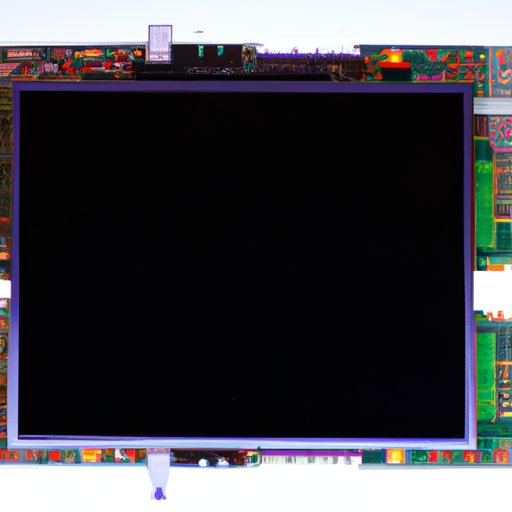
A liquid crystal display (LCD) is a type of flat panel display that is used in many different types of electronic devices such as computers, televisions, and cell phones. An LCD consists of two sheets of polarized glass with liquid crystal molecules sandwiched between them. The liquid crystal molecules can be arranged in various ways to control the amount of light passing through the glass, allowing the display to show images and text. But how does an LCD work? In this article, we’ll explore the inner workings of LCDs and discover the science behind this technology.
An Overview of How a Liquid Crystal Display (LCD) Works
LCDs are composed of several components that work together to display an image or text. The basic structure of an LCD consists of two pieces of polarized glass with liquid crystal molecules sandwiched between them. The liquid crystal molecules can be arranged in various ways to control the amount of light passing through the glass, allowing the display to show images and text. There are several types of LCDs, including twisted nematic (TN), vertical alignment (VA), and in-plane switching (IPS). Each type of LCD has its own characteristics and advantages.
Exploring the Inner Workings of an LCD
An LCD is composed of several components which work together to display an image or text. These components include a backlight, polarizers, thin-film transistors (TFTs), and color filters. The backlight provides illumination for the display and is usually composed of fluorescent lamps or light-emitting diodes (LEDs). The polarizers are made from special materials that allow only certain wavelengths of light to pass through them. Thin-film transistors are tiny electrical switches that are used to control the amount of current flowing to each pixel on the display. Finally, color filters are used to produce the colors that appear on the display.

Examining the Components and Technology of an LCD
The backlight and polarizers are the two components that make up the foundation of an LCD. The backlight is responsible for providing illumination for the display and is usually composed of fluorescent lamps or light-emitting diodes (LEDs). The polarizers are made from special materials that allow only certain wavelengths of light to pass through them. This allows the LCD to display different colors depending on the arrangement of the polarizers.
Thin-film transistors (TFTs) are tiny electrical switches that are used to control the amount of current flowing to each pixel on the display. They are responsible for switching the pixels on and off to create the colors and images that appear on the screen. Color filters are used to produce the colors that appear on the display. The combination of the backlight, polarizers, TFTs, and color filters creates the image or text displayed on the LCD.
A Guide to Understanding LCDs
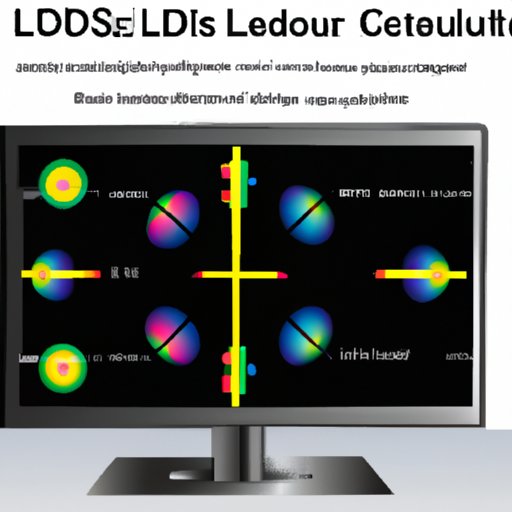
To better understand how an LCD works, it is helpful to visualize the structure of a pixel. A pixel is the smallest unit of an LCD display and is composed of three sub-pixels – red, green, and blue. Each sub-pixel is controlled by a separate TFT and contains a small amount of liquid crystal material. When an electric current is applied to the pixel, the liquid crystal molecules become aligned and allow light to pass through. The amount of light passing through the pixel determines the color that is displayed.
Another important factor to consider when understanding LCDs is the refresh rate. The refresh rate is the number of times per second that the display refreshes the image. Higher refresh rates result in smoother motion and less flickering, while lower refresh rates can cause blurring and flickering. Finally, the viewing angle of an LCD is important to consider. The viewing angle is the maximum angle at which the contrast and color remain visible on the display.
Discovering the Mechanics Behind LCDs
Now that we have an overview of how an LCD functions, let’s take a look at the mechanics behind these displays. First, we need to understand how the pixels are controlled. Each pixel on the LCD is controlled by a tiny electrical switch called a thin-film transistor (TFT). The TFTs are connected to a digital signal processor (DSP) that sends signals to the TFTs to control the amount of current flowing to each pixel. This controls the amount of light passing through each pixel, allowing the LCD to display images and text.
In addition to the TFTs, LCDs also use digital signals to control the display. Digital signals are sent from the DSP to each pixel on the display. These signals control the amount of current flowing to each pixel, which in turn controls the amount of light passing through the pixel and the color that is displayed.
The Science Behind LCDs: How Do They Function?
At the heart of an LCD is the liquid crystal material. Liquid crystal molecules are composed of long, rod-like molecules that are suspended in a liquid solution. These molecules can be aligned in various ways to control the amount of light passing through them. When an electric current is applied to the liquid crystal molecules, they become aligned and allow light to pass through.
The light passing through the liquid crystal molecules is then polarized and reflected back to the viewer. Polarization is the process of filtering light so that only certain wavelengths of light can pass through. The reflected light is then filtered by the color filters to create the colors that are displayed on the LCD.
Conclusion
LCDs are some of the most popular displays used in today’s electronic devices. By understanding the components and technology of an LCD, we can now appreciate the science behind how these displays work. We’ve explored the basic structure and functionality of LCDs, as well as the components and technology used to create the images and text displayed on the screen. Finally, we’ve discovered the mechanics and science behind LCDs and how they function to create a visual image.
(Note: Is this article not meeting your expectations? Do you have knowledge or insights to share? Unlock new opportunities and expand your reach by joining our authors team. Click Registration to join us and share your expertise with our readers.)