
Introduction
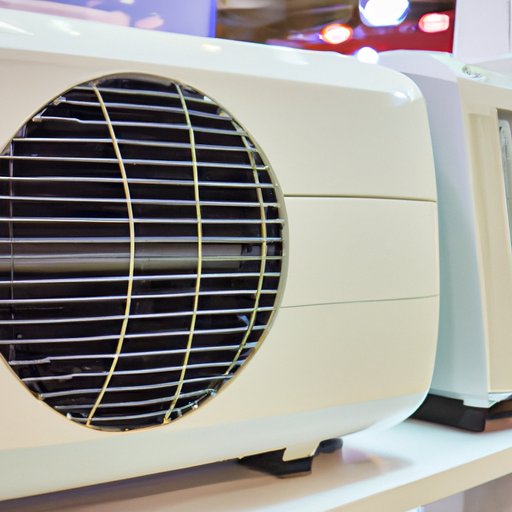
A portable air conditioner is a self-contained cooling unit that can be used to cool down any room or space. It is an ideal solution for those who live in apartments or other places where installing a traditional air conditioning system is not possible. In this article, we will explore how a portable air conditioner works, from its components to the science behind it and its functionality.
Step-by-Step Guide to Understanding How a Portable Air Conditioner Works
Before exploring the science behind portable air conditioners, it’s important to understand their components and how they work. Here is a step-by-step guide to understanding how a portable air conditioner works:
What is a Portable Air Conditioner?
A portable air conditioner is a self-contained cooling unit that can be moved from room to room. Unlike traditional air conditioners, portable air conditioners do not require permanent installation and can be used in areas where traditional air conditioning systems are not available. They are usually equipped with a hose that is used to vent hot air outside.
How Does a Portable Air Conditioner Work?
Portable air conditioners use a combination of refrigerant and a fan to cool down the air in a room. The refrigerant absorbs heat from the air and is then compressed into a liquid form. This liquid is then sent through a condenser, which releases the heat outside. The cooled air is then circulated back into the room by a fan.
What Are the Components of a Portable Air Conditioner?
The components of a portable air conditioner include a compressor, condenser, evaporator, expansion valve, and fan. The compressor compresses the refrigerant into a liquid form. The condenser then releases the heat outside. The evaporator absorbs the heat from the air in the room and the expansion valve controls the flow of the refrigerant. Finally, the fan circulates the cooled air back into the room.
Exploring the Science Behind Portable Air Conditioners
Now that we have a basic understanding of how a portable air conditioner works, let’s explore the science behind it. There are two main scientific principles that make portable air conditioners work: physics and chemistry.
Physics Behind Portable Air Conditioners
The physics behind portable air conditioners is based on the principle of thermodynamics. According to this principle, energy is transferred between two objects when there is a difference in temperature. In the case of a portable air conditioner, the energy is transferred between the air inside the room and the refrigerant in the air conditioner. As the refrigerant absorbs the heat from the air, the air inside the room is cooled down.
Chemistry Behind Portable Air Conditioners
The chemistry behind portable air conditioners is based on the principle of phase change. When a substance changes from one state (liquid) to another (gas), it absorbs or releases energy. In the case of a portable air conditioner, the refrigerant absorbs heat from the air as it changes from a liquid to a gas. This process cools down the air in the room.
Portable Air Conditioners: An Overview of Their Functionality
Now that we have explored the science behind portable air conditioners, let’s take a look at their functionality. Portable air conditioners come in different sizes, shapes, and designs, and offer a variety of features. Let’s explore the types of portable air conditioners and the benefits of using one.
Types of Portable Air Conditioners
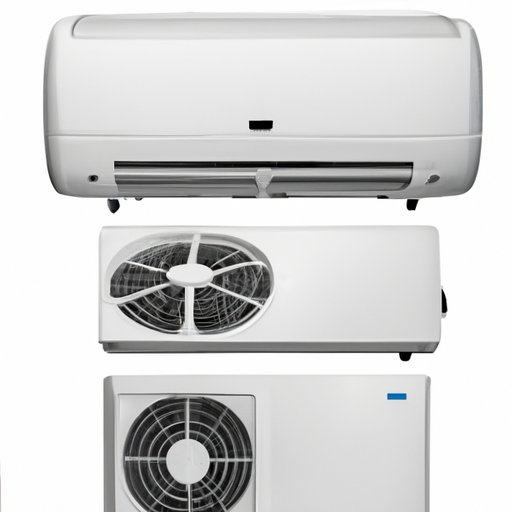
There are several types of portable air conditioners available on the market today. These include window units, split units, and ductless units. Window units are designed to fit into a window frame and are the most common type of portable air conditioner. Split units are larger and more powerful than window units and can be installed in any room. Ductless units are the most efficient type of portable air conditioner and are installed directly into the wall.
Benefits of Using a Portable Air Conditioner
Using a portable air conditioner has many benefits. They are relatively inexpensive compared to traditional air conditioning systems and can be used to cool down any room or space. They are also easy to install and require minimal maintenance. Additionally, they are an eco-friendly option as they use less energy than traditional air conditioners.

The Pros and Cons of Portable Air Conditioners
While portable air conditioners offer many benefits, there are some drawbacks to consider as well. Let’s take a look at the advantages and disadvantages of using a portable air conditioner.
Advantages of Portable Air Conditioners
The main advantage of using a portable air conditioner is that it can be used in any room or space without requiring permanent installation. They are also relatively inexpensive and require minimal maintenance. Furthermore, they are an eco-friendly option as they use less energy than traditional air conditioners.
Disadvantages of Portable Air Conditioners
The main disadvantage of using a portable air conditioner is that they are not as powerful as traditional air conditioning systems. Additionally, they can be noisy and may require additional ventilation if used in a closed space. Furthermore, they are not as efficient as other cooling systems and can be expensive to run.

Essential Maintenance Tips for Portable Air Conditioners
In order to keep your portable air conditioner running efficiently, it’s important to follow some basic maintenance tips. Here are some essential maintenance tips for portable air conditioners:
Cleaning Instructions
It’s important to regularly clean your portable air conditioner to ensure it runs efficiently. Be sure to check the filter and clean it every few months. Additionally, you should clean the coils and vents on the unit to remove any dirt or debris. You can use a vacuum cleaner or a damp cloth to do this.
Troubleshooting Common Issues
If your portable air conditioner is not working properly, there are a few things you can try. Make sure the power cord is securely plugged in and the thermostat is set correctly. Additionally, check to see if the filter needs to be cleaned or replaced. If none of these steps work, you may need to contact a professional for assistance.
Conclusion
In conclusion, portable air conditioners are an ideal solution for those who live in apartments or other places where installing a traditional air conditioning system is not possible. By understanding the components and science behind portable air conditioners, as well as their types, benefits, and maintenance tips, we can better appreciate their functionality.
Summary of Key Points
This article explored how a portable air conditioner works, discussing its components, the physics and chemistry behind it, its types and benefits, as well as essential maintenance tips. We learned that a portable air conditioner uses a combination of refrigerant and a fan to cool down the air in a room. Additionally, we discussed the advantages and disadvantages of using a portable air conditioner, as well as some essential maintenance tips.
Final Thoughts on Portable Air Conditioners
Portable air conditioners are an ideal solution for those living in apartments or other places where installing a traditional air conditioning system is not possible. While they may not be as powerful or efficient as other cooling systems, they are relatively inexpensive, easy to install, and require minimal maintenance. With proper care and maintenance, a portable air conditioner can provide reliable cooling for years to come.
(Note: Is this article not meeting your expectations? Do you have knowledge or insights to share? Unlock new opportunities and expand your reach by joining our authors team. Click Registration to join us and share your expertise with our readers.)