
Introduction
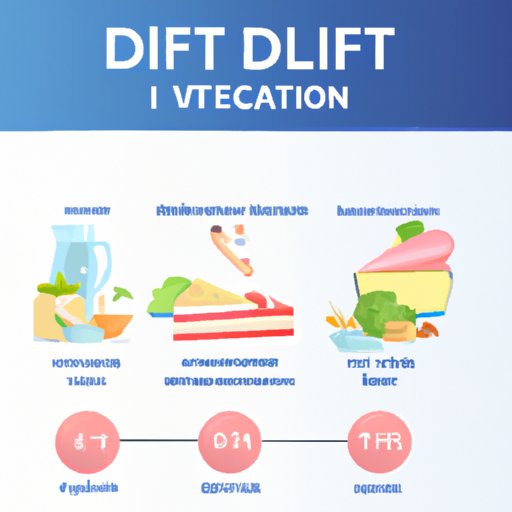
A healthy diet is essential for our overall health and wellbeing. It helps us maintain a healthy weight, boosts our immune system, and provides us with energy. But what exactly is a healthy diet?
According to the World Health Organization (WHO), a healthy diet consists of “a variety of plant-based foods, such as fruits, vegetables, legumes, nuts and whole grains, as well as animal-based foods, such as fish, eggs, meat and dairy products.” This type of diet is also high in fiber, low in saturated fat, and contains moderate amounts of unsaturated fat, sugar, salt, and alcohol.
The purpose of this article is to explore how a diet works and its benefits. We will discuss the basics of a balanced diet, including macronutrients and micronutrients, as well as tips on how to start and stick to a diet plan.
The Basics of a Healthy Diet and How It Works in the Body
A balanced diet consists of two main components: macronutrients and micronutrients. Macronutrients are nutrients that provide the body with energy, while micronutrients are nutrients that help support the body’s functions and processes.
Macronutrients consist of carbohydrates, proteins, and fats. Carbohydrates are the body’s primary source of energy, and they can be found in foods such as bread, rice, pasta, and potatoes. Proteins are important for muscle growth, and they can be found in foods such as meat, fish, eggs, and dairy products. Fats are essential for hormone production and cell membrane structure, and they can be found in foods such as avocados, nuts, and oils.
Micronutrients consist of vitamins, minerals, and antioxidants. Vitamins are important for the body’s metabolism and hormone production, and they can be found in foods such as fruits and vegetables. Minerals help regulate fluid balance and muscle contractions, and they can be found in foods such as nuts, seeds, and legumes. Antioxidants help protect the body from disease-causing free radicals, and they can be found in foods such as berries, dark chocolate, and green tea.
Benefits of Following a Healthy Diet
There are many benefits to following a healthy diet. For starters, it can improve your overall health and wellbeing. Studies have shown that eating a balanced diet can lower your risk of developing chronic diseases such as heart disease and diabetes, and it can also reduce your risk of certain types of cancer.
It can also help you achieve and maintain a healthy weight. A study published in The American Journal of Clinical Nutrition found that people who followed a Mediterranean-style diet, which includes plenty of fruits, vegetables, whole grains, nuts, and healthy fats, were more successful at losing weight and keeping it off than those who followed a low-fat diet.
Components of a Balanced Diet
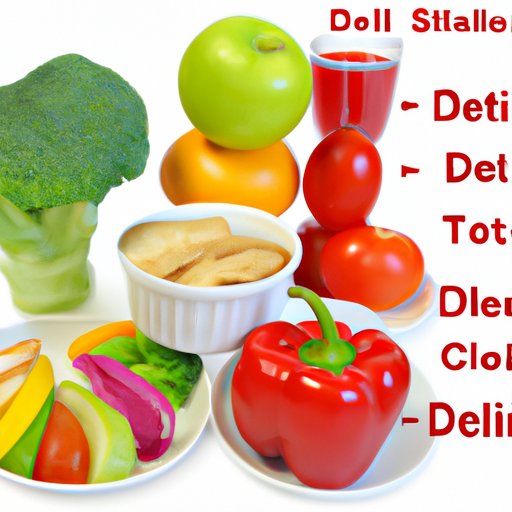
As mentioned earlier, a balanced diet consists of both macronutrients and micronutrients. Let’s take a closer look at each of these components.
Macronutrients
Carbohydrates are the body’s primary source of energy and should make up about 45 to 65 percent of your daily caloric intake. Good sources of carbohydrates include fruits, vegetables, grains, legumes, and dairy products.
Proteins are important for muscle growth and should make up about 10 to 35 percent of your daily caloric intake. Good sources of protein include lean meats, fish, eggs, and dairy products.
Fats are essential for hormone production and cell membrane structure, and they should make up about 20 to 35 percent of your daily caloric intake. Good sources of healthy fats include avocados, nuts, seeds, and oils.
Micronutrients
Vitamins are important for the body’s metabolism and hormone production, and they can be found in fruits and vegetables. Good sources of vitamins include citrus fruits, bell peppers, broccoli, and spinach.
Minerals help regulate fluid balance and muscle contractions, and they can be found in foods such as nuts, seeds, and legumes. Good sources of minerals include almonds, sunflower seeds, and kidney beans.
Antioxidants help protect the body from disease-causing free radicals, and they can be found in foods such as berries, dark chocolate, and green tea. Good sources of antioxidants include blueberries, dark chocolate, and green tea.
The Role of Portion Control
Portion control is an important part of any healthy diet. It involves monitoring the amount of food you eat in order to maintain a healthy weight and prevent overeating. It can also help you meet your nutritional goals by ensuring you get enough of the right foods.
Advantages of portion control include improved portion sizes, better nutrient absorption, and reduced calorie intake. By controlling your portions, you can ensure that you are eating the right foods in the right amounts.
The Role of Macronutrients in a Healthy Diet
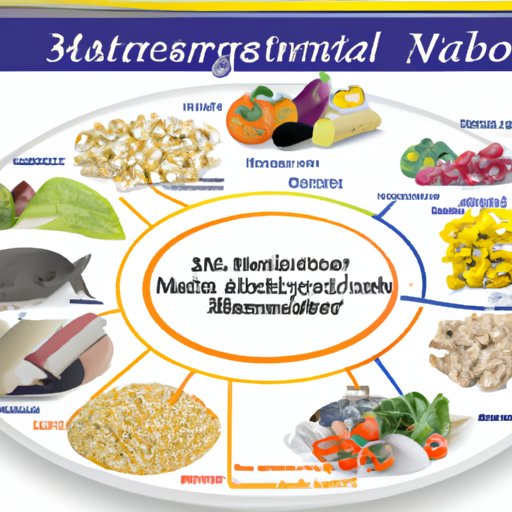
Carbohydrates are the body’s primary source of energy, and they should make up about 45 to 65 percent of your daily caloric intake. Good sources of carbohydrates include fruits, vegetables, grains, legumes, and dairy products.
Proteins are important for muscle growth, and they should make up about 10 to 35 percent of your daily caloric intake. Good sources of protein include lean meats, fish, eggs, and dairy products.
Fats are essential for hormone production and cell membrane structure, and they should make up about 20 to 35 percent of your daily caloric intake. Good sources of healthy fats include avocados, nuts, seeds, and oils.
The Role of Micronutrients in a Healthy Diet
Vitamins are important for the body’s metabolism and hormone production, and they can be found in fruits and vegetables. Good sources of vitamins include citrus fruits, bell peppers, broccoli, and spinach.
Minerals help regulate fluid balance and muscle contractions, and they can be found in foods such as nuts, seeds, and legumes. Good sources of minerals include almonds, sunflower seeds, and kidney beans.
Antioxidants help protect the body from disease-causing free radicals, and they can be found in foods such as berries, dark chocolate, and green tea. Good sources of antioxidants include blueberries, dark chocolate, and green tea.

Tips on How to Start and Stick to a Diet Plan
Starting a diet plan can be daunting, but there are steps you can take to make it easier. Here are some tips on how to start and stick to a diet plan:
- Establish realistic goals. Set achievable goals that you can work towards. For example, if you want to lose weight, set a goal of losing 1-2 pounds per week.
- Track your progress. Track your progress regularly so you can identify areas where you need to make changes or adjust your goals.
- Find support. Find a friend or family member who can provide emotional support and motivation.
- Stay motivated. Celebrate your successes and keep yourself motivated with rewards and positive reinforcement.
Conclusion
In conclusion, following a healthy diet has many benefits, including improved overall health and wellbeing, weight loss/control, and increased energy levels. A balanced diet consists of macronutrients and micronutrients, and portion control is important for maintaining a healthy weight and preventing overeating. Lastly, establishing realistic goals, tracking your progress, finding support, and staying motivated can help you start and stick to a diet plan.
(Note: Is this article not meeting your expectations? Do you have knowledge or insights to share? Unlock new opportunities and expand your reach by joining our authors team. Click Registration to join us and share your expertise with our readers.)