
Introduction
Sleep is an essential part of our lives that affects our physical and mental health. Not getting enough sleep can have a negative impact on our overall wellbeing. Sleep problems, also known as insomnia, affect millions of people around the world. According to the National Sleep Foundation, up to 60% of adults in the United States experience some form of insomnia each year.
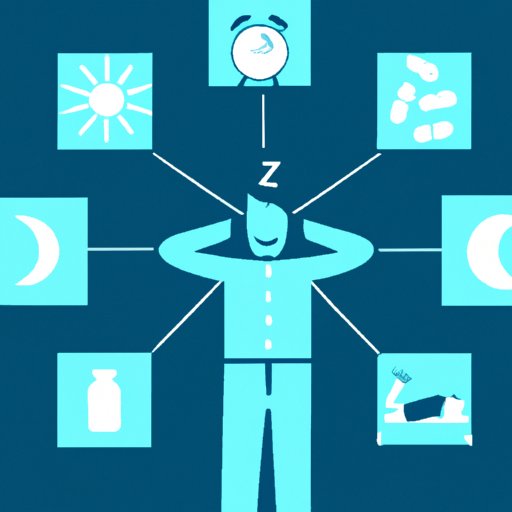
Adequate sleep is important for our physical and mental health. It helps us to stay alert and focused during the day, and it also helps to reduce stress and anxiety. Without adequate sleep, we can feel tired and irritable, and our cognitive function may suffer. In this article, we will look at how to sleep well by exploring different sleep positions, creating an ideal sleep environment, understanding the benefits of exercise and healthy eating, and exploring strategies to beat insomnia.

Identifying the Best Sleep Positions
The way you sleep can play a big role in how well you sleep. Different sleeping positions can be more comfortable than others, and they can also help to improve your posture. Here are some of the most common sleep positions and their pros and cons:
- Back Sleeping: This is the most common sleep position, and it can help to keep your spine in a neutral position. However, it can cause snoring and sleep apnea in some people.
- Stomach Sleeping: This position can be comfortable for some people, but it can put strain on your neck and back. It can also make it harder to breathe.
- Side Sleeping: Side sleeping is the healthiest position for your spine, and it can help to reduce snoring and sleep apnea. It can also help to reduce acid reflux.
It’s important to experiment with different sleeping positions to find what works for you. You may find that one position is more comfortable than another, or that you need to switch positions throughout the night. Whichever position you choose, make sure that you are comfortable and that your head, neck, and spine are in alignment.
Understanding the Benefits of Adequate Sleep
Getting enough sleep is essential for our physical and mental health. Studies have shown that inadequate sleep can have a negative effect on our cognitive function, including memory, focus, and problem-solving skills. It has also been linked to an increased risk of depression and anxiety.
Adequate sleep can also help to reduce the risk of certain health issues, such as obesity, diabetes, heart disease, and stroke. A study published in the journal Sleep found that people who get less than seven hours of sleep per night are more likely to suffer from these conditions.
Tips for Getting a Better Night’s Sleep
There are several steps you can take to ensure that you get a good night’s sleep. Here are some tips to help you get a better night’s rest:
- Establishing a Bedtime Routine: Going to bed and waking up at the same time every day can help to regulate your body’s internal clock and make it easier to fall asleep. Try to avoid napping during the day, as this can disrupt your sleep-wake cycle.
- Limiting Screen Time Before Bed: The blue light emitted from screens can disrupt your circadian rhythm and make it harder to fall asleep. Try to limit your screen time before bed, or use blue light filtering glasses if you must use screens.
- Creating an Ideal Sleep Environment: Create a dark, quiet, and cool space that is free from distractions. Make sure your mattress and pillows are comfortable, and try using blackout curtains or a sleep mask to block out any light.

The Impact of Exercise and Nutrition on Sleep
Regular exercise and healthy eating can help to improve your sleep quality. Studies have shown that regular exercise can help to improve sleep duration and reduce symptoms of insomnia. Exercise can also help to reduce stress and anxiety, which can make it easier to fall asleep.
Eating healthy foods can also have a positive effect on your sleep. Avoid eating heavy meals late at night, as this can make it harder to fall asleep. Eating foods that are high in fiber and protein, such as whole grains, fruits, and vegetables, can help to keep your blood sugar levels stable and improve your sleep.
Strategies to Beat Insomnia
If you are struggling to get enough sleep, there are several strategies you can try to help you get a better night’s rest. Relaxation techniques such as deep breathing, progressive muscle relaxation, and guided imagery can help to reduce stress and anxiety and make it easier to fall asleep.
Cognitive behavioral therapy (CBT) is another effective strategy for treating insomnia. CBT involves identifying and changing negative thought patterns that can interfere with sleep. It can also help to create healthy sleep habits and reduce stress and anxiety.
Exploring Sleep Aids and Alternatives
If lifestyle changes and other strategies don’t help, you may want to consider sleep aids or alternative therapies. Over-the-counter medications such as melatonin and valerian root can help to promote sleep. Herbal remedies such as chamomile tea or lavender oil can also be helpful in relieving insomnia.
It’s important to talk to your doctor before taking any over-the-counter medications or herbal remedies. Some medications can have side effects, and some herbs can interact with other medications. Your doctor can help you choose the right option for your needs.
Conclusion
Getting a good night’s sleep is essential for our physical and mental health. Understanding how to sleep well can help us to get the rest we need and improve our overall wellbeing. Identifying the best sleep positions, establishing an ideal sleep environment, incorporating exercise and healthy eating into your routine, and exploring strategies to beat insomnia can all help to improve the quality of your sleep.
If you are still struggling to get enough sleep, it’s important to seek professional help. A doctor or sleep specialist can assess your condition and determine the best course of treatment for you. With the right strategies and support, you can get the restful sleep that you need.
(Note: Is this article not meeting your expectations? Do you have knowledge or insights to share? Unlock new opportunities and expand your reach by joining our authors team. Click Registration to join us and share your expertise with our readers.)