
Introduction
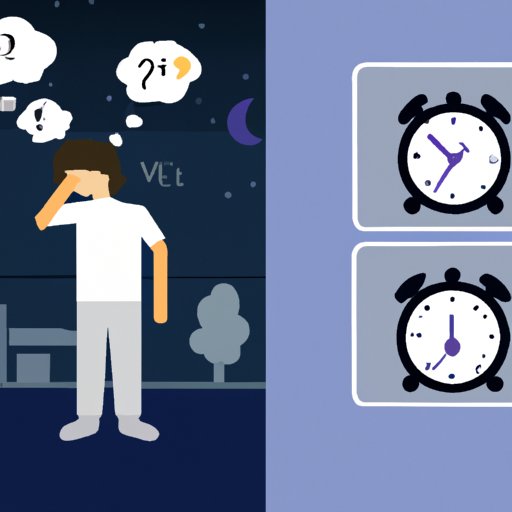
Sleep deprivation is a state of inadequate or poor-quality sleep that can be caused by several factors. It is characterized by difficulty in falling asleep or staying asleep, feeling tired during the day, and feeling unrested after waking up. The problem of sleep deprivation is becoming increasingly common among adults, with more than one-third of adults not getting enough sleep each night.
Examining the Effects of Sleep Deprivation on Mental and Physical Health
Sleep deprivation has a significant impact on both mental and physical health. Studies have shown that lack of sleep can impair memory, concentration, and cognitive performance. It can also affect mood, emotions, and stress levels, leading to feelings of irritability, depression, and anxiety. On the physical side, sleep deprivation can lead to increased risk of developing chronic conditions such as heart disease, diabetes, and obesity.
In addition, sleep deprivation can lead to decreased immune function and increased inflammation, which can make individuals more susceptible to illnesses and infections. A study published in the journal Sleep found that people who are sleep deprived are more likely to suffer from colds and flu than those who get adequate rest.

Exploring the Benefits of Quality Sleep for Optimal Performance
On the other hand, getting enough quality sleep can have numerous positive effects on overall wellbeing. Studies have shown that good sleep can improve alertness and focus, enhance creativity and problem-solving abilities, and increase energy levels. Quality sleep also helps to regulate hormone levels, which can improve immune function and reduce the risk of developing chronic diseases.
A study published in the journal Sleep Medicine Reviews found that individuals who get adequate sleep are less likely to experience fatigue, moodiness, and impaired attention. Furthermore, research has shown that good sleep can improve athletic performance, reduce stress levels, and boost mental health.

How to Recognize Signs of Sleep Deprivation
If you’re experiencing any of the following symptoms, it could be a sign that you’re not getting enough sleep: changes in appetite, irritability and fatigue, difficulty falling asleep or staying asleep, and difficulty concentrating. Other signs of sleep deprivation include daytime drowsiness, headaches, and difficulty making decisions.

Building Healthy Habits and Routines to Achieve Better Sleep
To ensure that you’re getting enough quality sleep, it’s important to establish healthy habits and routines. This includes establishing a regular bedtime, creating a relaxing environment, and practicing relaxation techniques such as deep breathing, meditation, and yoga. Additionally, avoiding caffeine and alcohol before bedtime, limiting screen time, and avoiding napping during the day can help to promote better sleep.
Analyzing Common Causes of Insomnia
Insomnia is a common cause of sleep deprivation, and can be caused by a variety of factors. Stress and anxiety, caffeine and alcohol consumption, and medical conditions such as depression, thyroid disorders, and chronic pain can all contribute to insomnia. It’s important to identify the underlying causes of insomnia and address them in order to achieve better sleep.
Understanding the Link Between Sleep Disorders and Overall Well-Being
Sleep disorders such as sleep apnea, narcolepsy, and restless leg syndrome can also interfere with quality sleep and have a negative impact on overall well-being. If left untreated, sleep disorders can lead to serious health problems such as high blood pressure, stroke, and heart disease. Therefore, it’s important to seek medical advice if you think you may be suffering from a sleep disorder.
Conclusion
Sleep deprivation can have a significant impact on mental and physical health, so it’s important to ensure that you’re getting enough quality sleep. Establishing healthy habits and routines, recognizing the signs of sleep deprivation, and understanding the link between sleep disorders and overall well-being can help to promote better sleep and improve overall wellbeing.
(Note: Is this article not meeting your expectations? Do you have knowledge or insights to share? Unlock new opportunities and expand your reach by joining our authors team. Click Registration to join us and share your expertise with our readers.)