
Introduction
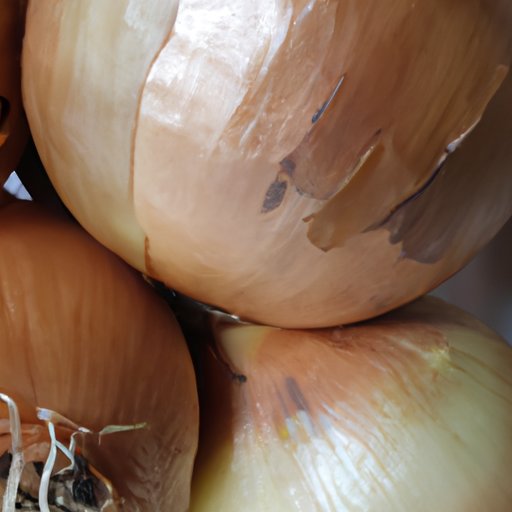
Onions are a popular vegetable that can be used in many dishes around the world. They have a unique flavor and aroma that adds depth to savory dishes, but many people wonder if they are really good for you. This article will explore the question, “Are raw onions good for you?” by examining the nutritional benefits of this vegetable, exploring the potential health benefits, comparing the benefits of raw onions vs cooked onions, and analyzing the risks associated with eating them.

Examining the Nutritional Benefits of Raw Onions
Onions are packed full of essential vitamins and minerals. According to the USDA, one cup (160 grams) of raw onion contains 64 calories, 0.2 grams of fat, 15 grams of carbohydrates, 2.7 grams of dietary fiber, and 1.8 grams of protein. It also provides small amounts of calcium, iron, magnesium, phosphorus, potassium, zinc, copper, selenium, and manganese. In addition, onions are a good source of several B-vitamins, including thiamin, riboflavin, niacin, folate, pantothenic acid, and vitamin B6.
Raw onions also contain several beneficial plant compounds, such as quercetin, anthocyanins, and kaempferol. Quercetin is a type of flavonoid antioxidant that has anti-inflammatory and anti-cancer properties. Anthocyanins are another type of antioxidant that can help protect against oxidative damage and chronic diseases. Kaempferol is a third type of antioxidant that may have anticancer and anti-inflammatory effects. In addition, onions are a good source of dietary fiber, which can help promote regular bowel movements and support digestive health.
Exploring the Health Benefits of Eating Raw Onions
The nutrients and plant compounds found in raw onions can offer a range of health benefits. Studies have shown that consuming raw onions can help lower blood sugar levels, reduce inflammation, and prevent heart disease. For example, a study published in the journal Diabetes Care found that consuming raw onions significantly reduced post-meal blood glucose levels in participants with type 2 diabetes. Another study published in the journal Atherosclerosis showed that consuming raw onions could reduce inflammation and improve cardiovascular health markers.

Investigating the Impact of Raw Onions on Digestive Health
In addition to the general health benefits of consuming raw onions, they can also have positive effects on digestive health. The dietary fiber content of raw onions helps to promote regular bowel movements and support gut health. A study published in the journal Frontiers in Microbiology found that consuming raw onions increases the number of beneficial bacteria in the gut, which can help maintain a healthy balance of microorganisms in the intestines. Furthermore, onions contain fructans, which are prebiotic compounds that can stimulate the growth of healthy bacteria in the gut.
Comparing the Health Benefits of Raw Onions vs Cooked Onions
Although both raw and cooked onions offer health benefits, there are some important differences to consider when deciding which to include in your diet. One benefit of raw onions is that they retain more of their nutrient content since they are not exposed to heat. Additionally, raw onions have a crunchier texture and stronger flavor than cooked onions, which can add a unique flavor to dishes. However, cooking onions can reduce the amount of time they need to be chewed, making them easier to digest. Ultimately, the choice between raw and cooked onions comes down to personal preference.

Analyzing the Potential Risks of Eating Raw Onions
Although there are many benefits to eating raw onions, it is important to be aware of any potential risks. Eating large amounts of raw onions can cause gastrointestinal discomfort, such as bloating and gas. Additionally, some people may experience an allergic reaction to onions, which can cause symptoms such as hives, itching, and swelling. Finally, raw onions are high in FODMAPs, which can cause digestive issues in people who are sensitive to these compounds.
Conclusion
In conclusion, raw onions can be a nutritious and flavorful addition to your diet. They are a good source of vitamins, minerals, antioxidants, and dietary fiber, which can provide a range of health benefits. Eating raw onions can help lower blood sugar levels, reduce inflammation, and improve digestive health. However, it is important to be aware of the potential risks associated with eating raw onions, such as gastrointestinal discomfort and allergic reactions. Ultimately, the decision to include raw onions in your diet should be based on your personal preferences and health needs.
(Note: Is this article not meeting your expectations? Do you have knowledge or insights to share? Unlock new opportunities and expand your reach by joining our authors team. Click Registration to join us and share your expertise with our readers.)