
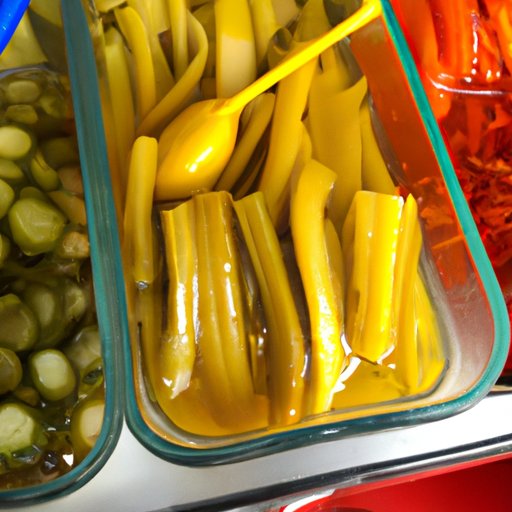
Introduction
Pickling is an ancient method of preserving food that has been used for centuries. It involves soaking vegetables in a brine solution, usually made with vinegar and spices, to give them a distinct flavor. Pickled vegetables are popular in many cultures around the world, from kimchi in Korea to sauerkraut in Germany. But are pickled vegetables good for you?
The health benefits of pickled vegetables vary depending on the type of vegetables used and the ingredients used in the brine. In general, pickled vegetables are low in calories and fat, high in fiber, and contain beneficial vitamins and minerals. They can also help improve digestive health, boost immunity, and reduce inflammation. However, it is important to choose quality pickled vegetables, as some varieties may be high in sodium or sugar.
This article will explore the health benefits of pickled vegetables, how to choose the best pickled vegetables, different types of pickling methods, and how to incorporate pickled vegetables into your diet. We will also examine the nutritional value of pickled vegetables compared to fresh vegetables.
How to Choose the Best Pickled Vegetables
When purchasing pickled vegetables, it is important to look for quality ingredients. The best pickles are made with fresh vegetables, such as cucumbers, carrots, onions, and peppers, and natural brines made with vinegar, salt, and spices. Avoid pickles that contain artificial flavors, preservatives, or added sugar.
It is also important to look at the types of brines used in the pickling process. Vinegar-based brines are the most common, but other types of brines, such as whey-based brines, can also be used. Different types of brines will give the pickles a unique flavor and texture. For example, whey-based brines are often used to make fermented pickles, which have a tangy, sour flavor.
Finally, pay attention to the labeling and packaging of the pickles. Look for expiration dates and check to see if the pickles have been pasteurized. Pasteurization is a process that destroys harmful bacteria and ensures the safety of the pickles. It is important to read the label carefully to make sure you are buying the best quality pickles.
Exploring Different Types of Pickled Vegetables
There are many different types of pickled vegetables, each with its own unique flavor and texture. Popular vegetables used for pickling include cucumbers, carrots, onions, peppers, cauliflower, and beets. These vegetables can be pickled whole, sliced, or diced, depending on the desired texture.
There are also a variety of pickling techniques that can be used to give the pickles a unique flavor. For example, quick pickles are typically made with vinegar and spices and require no fermentation. Lacto-fermented pickles are made with a salt and water brine and require several days to ferment. This type of pickling gives the pickles a tangy, sour flavor. Lastly, “live” pickles are made with a combination of vinegar and whey and require several weeks to ferment.

A Guide to Making Your Own Pickled Vegetables
Making your own pickled vegetables is easy and rewarding. All you need is a few simple pieces of equipment and some fresh vegetables. To get started, you will need a large glass jar with a lid, a measuring cup, a whisk, a sharp knife, and a cutting board.
Once you have gathered your equipment, it’s time to prepare the vegetables. Wash and dry the vegetables, then slice or dice them according to your preference. Place the prepared vegetables in the jar, then pour the brine over the top. Make sure the vegetables are completely submerged in the brine.
Last, seal the lid tightly and store the jar in a cool, dark place for 1 to 2 weeks. During this time, the vegetables will ferment and develop their unique flavor. Once the pickles are ready, store them in the refrigerator for up to 3 months.

How to Incorporate Pickled Vegetables into Your Diet
Pickled vegetables are a great way to add flavor and nutrition to your diet. They are low in calories and fat, high in fiber, and contain beneficial vitamins and minerals. Eating pickled vegetables can also help improve digestive health, boost immunity, and reduce inflammation.
When incorporating pickled vegetables into your diet, it is important to watch your portion sizes. Pickles are high in sodium, so it is best to limit your intake to 1/2 cup per day. Pickled vegetables can be eaten as a snack, added to salads and sandwiches, or used as a topping for burgers or tacos.

Examining the Nutritional Value of Pickled Vegetables
When comparing pickled vegetables to fresh vegetables, it is important to consider the nutritional value. Fresh vegetables are higher in vitamins and minerals than pickled vegetables, as some nutrients may be lost during the pickling process. However, pickled vegetables are still a good source of essential vitamins and minerals, such as vitamin C, vitamin K, and potassium.
In terms of macronutrients, pickled vegetables are generally lower in carbohydrates and fat than fresh vegetables. They are also lower in calories, making them a great choice for those looking to lose weight. Additionally, pickled vegetables are typically higher in sodium than fresh vegetables, so it is important to watch your portion sizes.
Comparing Pickled Vegetables to Fresh Vegetables
When deciding whether to choose pickled or fresh vegetables, there are several factors to consider. Pickled vegetables can be stored for longer than fresh vegetables, making them a convenient option for busy households. However, it is important to remember that pickled vegetables are high in sodium, so they should be consumed in moderation.
In terms of nutrient retention, pickled vegetables retain more vitamins and minerals than fresh vegetables. This is because some nutrients are lost during the cooking process. Pickled vegetables also have a longer shelf life, so they can be enjoyed for months after they are made.
Conclusion
Pickled vegetables are a delicious and nutritious way to add flavor and texture to your meals. They are low in calories and fat, high in fiber, and contain beneficial vitamins and minerals. Eating pickled vegetables can help improve digestive health, boost immunity, and reduce inflammation. However, it is important to choose quality pickles and watch your portion sizes, as some varieties may be high in sodium or sugar.
In conclusion, pickled vegetables can be a healthy addition to your diet. They offer unique flavor and texture, and can be stored for longer than fresh vegetables. However, it is important to compare the nutritional value of pickled and fresh vegetables before making a final decision.
(Note: Is this article not meeting your expectations? Do you have knowledge or insights to share? Unlock new opportunities and expand your reach by joining our authors team. Click Registration to join us and share your expertise with our readers.)