
Introduction
Vegetarianism is defined as a diet that does not include any meat or fish, although some vegetarians do consume dairy products and eggs. Becoming a vegetarian can have many health benefits, but it also comes with certain challenges. In this article, we will explore the physical, environmental, and mental health benefits and risks of a vegetarian diet, as well as the cost of following such a diet.

Exploring the Nutritional Benefits of a Vegetarian Diet
A vegetarian diet focuses on plant-based foods, including fruits, vegetables, legumes, nuts, and grains. These foods are packed with essential vitamins and minerals, such as vitamin A, vitamin C, magnesium, and potassium. Additionally, plant-based sources of protein, such as beans, lentils, and tofu, are a great way to get the necessary amounts of protein without consuming animal products. Plant-based sources of fat, like nuts and avocados, are also beneficial for heart health.
Examining the Health Risks Associated with a Vegetarian Diet
Although there are many health benefits associated with a vegetarian diet, there are also some potential health risks. For example, since vegetarians do not consume animal products, they may be at risk for developing vitamin B12 deficiency. Vitamin B12 is found naturally only in animal products, so vegetarians must supplement their diet with foods fortified with vitamin B12 or take a vitamin B12 supplement. Additionally, vegetarians may be at risk for iron deficiency, since plant-based sources of iron are not as easily absorbed by the body as animal-based sources.
Analyzing the Environmental Impact of Eating a Vegetarian Diet
Eating a vegetarian diet can also have a positive effect on the environment. According to a study published in the journal Proceedings of the National Academy of Sciences, a vegan diet produces the smallest carbon footprint, followed by vegetarian and pescatarian diets, and then an omnivorous diet. Additionally, animal agriculture requires more water than growing crops for human consumption, so reducing or eliminating animal products from your diet can significantly reduce your water usage.

Reviewing Different Types of Vegetarian Diets
There are several different types of vegetarian diets, each with its own set of rules and restrictions. Flexitarians, for example, limit their intake of animal products but do not completely eliminate them from their diets. Lacto-vegetarians consume dairy products but not eggs, while ovo-vegetarians consume eggs but not dairy products. Vegans avoid all animal products and byproducts, including honey and gelatin.
Investigating the Cost of Being a Vegetarian
It is important to consider the cost of being a vegetarian when making the decision to adopt such a diet. While some plant-based foods, such as beans and lentils, can be relatively inexpensive, buying organic and specialty items, such as vegan cheese and plant-based meats, can quickly add up. Additionally, eating out as a vegetarian can be more expensive than ordering an omnivorous meal, as vegetarian options tend to be more limited.
Comparing a Vegetarian Diet to an Omnivorous Diet
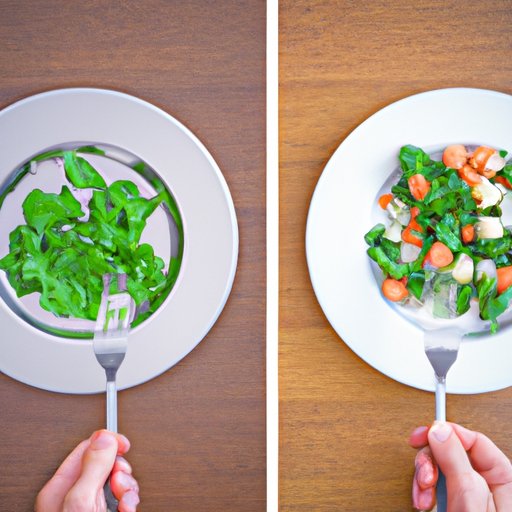
When comparing a vegetarian diet to an omnivorous diet, there are several factors to consider. Nutritionally speaking, a vegetarian diet can provide all of the necessary vitamins and minerals that an omnivorous diet provides, as long as the vegetarian diet is balanced and varied. In terms of health risks, both diets come with their own set of potential risks, such as vitamin B12 deficiency and iron deficiency. Environmentally, a vegetarian diet has a smaller carbon footprint and requires less water than an omnivorous diet.

Exploring the Mental and Emotional Benefits of Being a Vegetarian
In addition to the physical and environmental benefits of being a vegetarian, there are also potential mental and emotional benefits. Research suggests that adopting a vegetarian diet can lead to an increased sense of wellbeing and improved concentration. Additionally, reducing or eliminating animal products from your diet can lead to a greater appreciation for animals and a stronger connection to nature.
Conclusion
In conclusion, becoming a vegetarian can have many health benefits, including a reduced risk of certain diseases, a smaller carbon footprint, and improved mental and emotional wellbeing. However, there are also potential health risks associated with a vegetarian diet, such as vitamin B12 deficiency and iron deficiency. Additionally, following a vegetarian diet can be more expensive than an omnivorous diet. Ultimately, it is important to consider all of the potential benefits and risks before deciding if a vegetarian diet is right for you.
(Note: Is this article not meeting your expectations? Do you have knowledge or insights to share? Unlock new opportunities and expand your reach by joining our authors team. Click Registration to join us and share your expertise with our readers.)