
Introduction
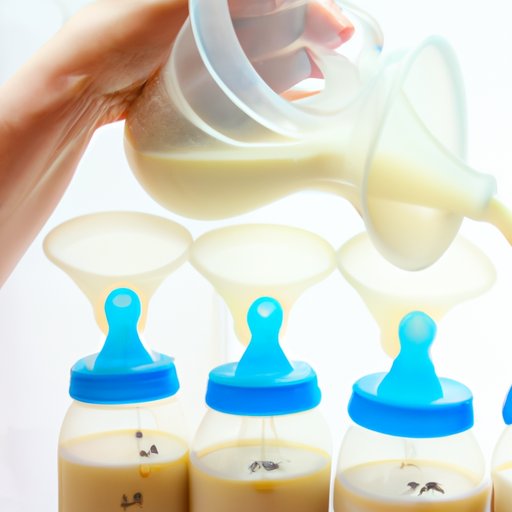
Breast pumping is an essential part of a breastfeeding mother’s routine. It allows mothers to store milk for future use, make sure their baby is getting enough milk, and take some pressure off from exclusive breastfeeding. But how long are you supposed to pump for?
The length of time one should pump depends on many factors, such as the type of breast pump being used, the mother’s milk supply, and her body’s natural rhythm. This article will explore the science behind breast milk production and the best practices for pumping to maximize milk production.

How to Maximize Breast Milk Production by Pumping for the Right Amount of Time
In order to maximize breast milk production, there are a few key steps that must be taken. Understanding your milk supply, adjusting your pump settings, monitoring milk output, and considering frequency and duration are all important considerations when pumping.
Understand Your Milk Supply
The first step in maximizing breast milk production is understanding your milk supply. Knowing how much milk your body can produce will help you determine how long you need to pump for each session. Factors such as age, diet, and stress can all affect your milk supply, so it’s important to monitor these things regularly.
Adjust Your Pump Settings
The settings on your breast pump can also have an impact on milk production. Adjusting the suction and speed settings can help you get the most out of each pumping session. If you find that your milk supply is low, try increasing the suction and speed settings to see if it helps.
Monitor Milk Output
Monitoring your milk output is another important step in maximizing breast milk production. Pay close attention to how much milk you are producing with each pumping session. If your milk output decreases over time, consider increasing the amount of time you are pumping.
Consider Frequency and Duration
The frequency and duration of your pumping sessions can also have an effect on milk production. Aim to pump at least 8 times per day, but no more than 12 times. Additionally, aim for 15-20 minutes per session, but no more than 30 minutes.
Pumping 101: How Long Should You Pump Each Session?
Now that you know the basics of pumping, let’s dive into the specifics. To maximize breast milk production, it’s important to understand the ideal time frame for expressing breastmilk.
The Ideal Time Frame for Expressing Breastmilk
When it comes to expressing breastmilk, the ideal time frame is between 10 and 20 minutes. This time frame has been shown to be the most effective for stimulating milk production and ensuring that all of the milk ducts are emptied. It’s important to note that this time frame is not set in stone; some mothers may need to pump for longer or shorter periods of time depending on their individual needs.
Timing Your Breast Pump Sessions for Optimal Breast Milk Supply
Timing your breast pump sessions correctly can also have a positive impact on milk production. Aim to pump at least 8 times per day, but no more than 12 times. Additionally, aim for 15-20 minutes per session, but no more than 30 minutes. This will help ensure that your body is consistently producing enough milk to meet your baby’s needs.
Making the Most Out of Your Breast Pump Sessions- How Long Should You Pump?
When it comes to making the most out of your breast pump sessions, it’s important to understand the science behind how long to pump breastmilk. There are several factors that can affect breast milk production, including hormones, stress levels, and sleep patterns. By understanding these factors and how they impact your body, you can better determine how long you should pump for each session.
Understanding the Science Behind How Long to Pump Breastmilk
Now that you know the basics of pumping, let’s explore the science behind how long to pump breastmilk. By understanding the factors that affect breast milk production, you can better determine the ideal time frame for expressing breastmilk.
Factors That Affect Breast Milk Production
There are several factors that can affect breast milk production. Hormones, stress levels, and sleep patterns all play a role in determining how much milk your body produces. Additionally, the type of breast pump you use, the suction and speed settings, and the frequency and duration of your pumping sessions can all have an impact on milk production.
Benefits of Pumping Longer
Pumping for longer periods of time can have several benefits. For instance, it can increase milk production by stimulating the release of the hormone prolactin, which is responsible for milk production. Additionally, it can help empty the breasts more completely, ensuring that all of the milk ducts are emptied and reducing the risk of clogged ducts.
Benefits of Pumping Shorter
On the other hand, pumping for shorter periods of time can also have its benefits. For example, it can be less time consuming and can reduce the risk of sore nipples. Additionally, it can help to maintain a healthy milk supply by encouraging frequent pumping sessions throughout the day.
Conclusion
Breast pumping is an essential part of a breastfeeding mother’s routine. In order to maximize breast milk production, it’s important to understand your milk supply, adjust your pump settings, monitor milk output, and consider frequency and duration. Additionally, understanding the science behind how long to pump breastmilk is key to optimizing milk production. Factors such as hormones, stress levels, and sleep patterns can all affect your milk supply, so it’s important to take these into consideration when determining how long to pump for each session. The ideal time frame for expressing breastmilk is between 10 and 20 minutes, but some mothers may need to pump for longer or shorter periods of time depending on their individual needs.
By following the tips outlined in this article, you can optimize your breast milk production through pumping and ensure that your baby is getting the nourishment they need.
(Note: Is this article not meeting your expectations? Do you have knowledge or insights to share? Unlock new opportunities and expand your reach by joining our authors team. Click Registration to join us and share your expertise with our readers.)