
Introduction
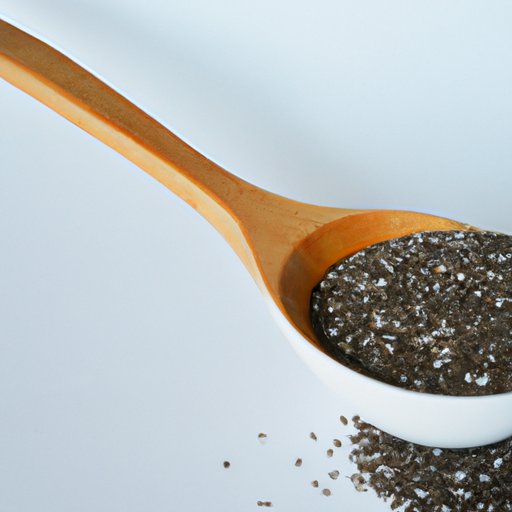
Chia seeds are an ancient superfood that have recently gained popularity in the health and wellness community. They are packed with essential nutrients like omega-3 fatty acids, protein, fiber, vitamins, and minerals. Eating chia seeds can provide numerous health benefits, from improving digestion to aiding weight loss. This article will explore the health benefits of chia seeds, as well as provide tips on how to incorporate them into your diet.

Exploring the Health Benefits of Chia Seeds
Chia seeds are a great source of plant-based protein, fiber, and omega-3 fatty acids. They are low in calories and contain no cholesterol or sodium. Research has shown that consuming chia seeds can help reduce inflammation, improve digestion, and aid in weight loss. Additionally, they are a great source of energy and can help keep you feeling full longer. Here are some of the pros and cons of eating chia seeds:
The Pros of Eating Chia Seeds
- High in fiber and protein
- Low in calories and fat
- Rich in antioxidants
- A good source of omega-3 fatty acids
- Helps reduce inflammation
- Improves digestion
- Aids in weight loss
The Cons of Eating Chia Seeds
- May cause digestive discomfort if eaten in large quantities
- Can be expensive
- Not suitable for people with nut allergies

How to Incorporate Chia Seeds into Your Diet
Adding chia seeds to your diet is easy and can provide numerous health benefits. The best way to consume chia seeds is to sprinkle them over salads, oatmeal, yogurt, smoothies, or even baked goods. Alternatively, you can make chia pudding by soaking chia seeds in almond milk overnight and adding your favorite toppings. Chia seeds can also be added to sauces, soups, and stews for an extra boost of nutrition.

Chia Seed Recipes: Healthy and Delicious
Chia seeds are a versatile ingredient that can be used in a variety of recipes. Here are some delicious ideas for incorporating chia seeds into your meals:
Breakfast Ideas
- Chia seed oatmeal
- Chia seed pudding
- Smoothie bowls with chia seeds
- Chia seed pancakes
- Fruit salad with chia seeds
Lunch/Dinner Ideas
- Chia seed wraps
- Chia seed burritos
- Salads with chia seed dressing
- Chia seed burgers
- Chia seed stir-fry
Snack Ideas
- Chia seed energy bars
- Chia seed crackers
- Chia seed hummus
- Chia seed cookies
- Chia seed granola
A Comprehensive Guide to Chia Seeds Nutrition
Chia seeds are a nutrient-dense food that contains a variety of macronutrients and micronutrients. Here is a breakdown of the nutrition facts for one ounce (28 grams) of chia seeds:
Macronutrients
- Protein: 4.4 grams
- Carbohydrates: 12.3 grams
- Fiber: 10.6 grams
- Fat: 8.6 grams
Micronutrients
- Vitamin A: 0%
- Vitamin C: 0%
- Vitamin E: 1%
- Calcium: 18%
- Iron: 4%
- Magnesium: 30%
- Manganese: 30%
- Phosphorus: 27%
- Potassium: 6%
- Zinc: 5%
Additionally, chia seeds are a good source of omega-3 fatty acids, which have been linked to a variety of health benefits, such as improved heart health and reduced inflammation.
Conclusion
In conclusion, chia seeds are an excellent source of plant-based protein, fiber, and omega-3 fatty acids. Eating chia seeds can provide numerous health benefits, such as reducing inflammation, improving digestion, and aiding weight loss. Additionally, they are a great source of energy and can help keep you feeling full longer. To get the most out of chia seeds, it’s important to incorporate them into your diet in a variety of ways. Try adding them to salads, oatmeal, yogurt, smoothies, or even baked goods. With so many delicious recipes to choose from, you’re sure to find something that fits your taste buds.
By following these tips, you can easily incorporate chia seeds into your diet and enjoy all the health benefits they have to offer.
(Note: Is this article not meeting your expectations? Do you have knowledge or insights to share? Unlock new opportunities and expand your reach by joining our authors team. Click Registration to join us and share your expertise with our readers.)