
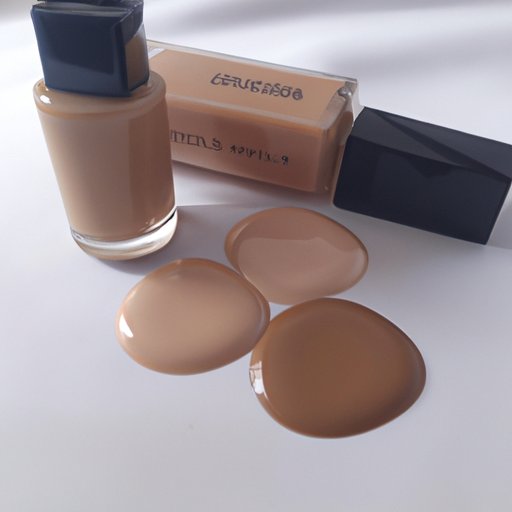
Introduction
Foundation is one of the most important elements of a makeup look, so it’s important to understand the cost associated with different foundation types. With a variety of options on the market, it can be difficult to determine how much you should pay for a good quality foundation. In this article, we’ll explore the cost of different foundation types, including low-cost, high-end and DIY options, to help you find the best fit for your budget.
Analyzing the Cost of Different Foundation Types
When it comes to foundation, there are a variety of options available, ranging from drugstore products to more expensive, high-end brands. The type of foundation you choose will have a big impact on the cost. Here’s a look at some of the most popular foundation types and their associated costs.
Low-Cost Options
For those on a tight budget, there are plenty of low-cost foundation options available. Drugstore brands such as Maybelline, L’Oreal and Revlon offer a variety of foundations at very affordable prices. These products typically range from $5 to $15, depending on the type of foundation and the amount you purchase.
High-End Options
If you’re willing to spend a bit more, there are many high-end foundations available from luxury brands such as Dior, Yves Saint Laurent, and Chanel. These products are typically more expensive, ranging from $30 to $50 or more, but they often contain higher quality ingredients and offer better coverage than more affordable options.

Breaking Down Foundation Prices by Brand
When shopping for foundation, it’s important to compare different brands and their prices. Popular drugstore brands such as Maybelline, L’Oreal and Revlon offer a variety of foundations at very affordable prices. For example, Maybelline’s Fit Me Matte + Poreless Liquid Foundation retails for around $7.99, while L’Oreal’s True Match Super Blendable Foundation costs around $11.99.
On the other hand, high-end brands such as Dior, Yves Saint Laurent, and Chanel offer more expensive, but higher quality foundations. For example, Dior’s Diorskin Nude Air Serum Foundation retails for around $50, while Yves Saint Laurent’s All Hours Foundation costs around $40.

Exploring Factors That Impact Foundation Cost
The cost of foundation can vary greatly depending on a variety of factors. Here are some of the most common factors that can affect the price of foundation:
Quality of Ingredients
The quality of the ingredients used in a foundation can have a big impact on the cost. Higher quality ingredients, such as natural oils and vitamins, can make a foundation more expensive. On the other hand, cheaper ingredients, such as talc and silicones, can keep the cost down.
Packaging
The packaging of a foundation can also affect its cost. Luxury brands often use higher quality packaging, such as glass bottles or metal compacts, which can add to the overall cost of the product.
Size and Quantity
The size and quantity of a foundation can also affect the cost. Foundations that come in larger sizes or quantities are typically more expensive than smaller ones.
Comparing Low-Cost and High-End Foundations
When deciding which type of foundation to buy, it’s important to consider the pros and cons of both low-cost and high-end foundations. Low-cost foundations are typically more affordable, but may not provide the same level of coverage or lasting power as more expensive brands. High-end foundations are usually more expensive, but they often contain higher quality ingredients and offer better coverage.
Pros and Cons of Low-Cost Foundations
Pros: Low-cost foundations are typically more affordable than high-end brands. They are also widely available and easy to find.
Cons: Low-cost foundations may not last as long as more expensive brands, and they may not provide the same level of coverage. In addition, they may contain lower quality ingredients that can irritate the skin.
Pros and Cons of High-End Foundations
Pros: High-end foundations are typically made with higher quality ingredients that can be gentler on the skin. They also tend to provide better coverage and last longer than low-cost foundations.
Cons: High-end foundations are usually more expensive than low-cost brands. In addition, they may not be as widely available.
Investigating DIY Foundation Solutions
Another option for those looking to save money on foundation is to make their own. There are a variety of recipes available online for DIY foundation, which typically involve mixing mineral powder with a moisturizer and/or concealer. While these homemade solutions can be less expensive than store-bought foundations, they may not provide the same level of coverage or lasting power.
Overview of DIY Foundations
DIY foundations are a great way to save money on makeup. By mixing your own ingredients, you can create a foundation that is tailored to your skin tone and texture. Plus, you can control the ingredients used and avoid potentially irritating chemicals or fragrances.
Advantages of DIY Foundations
The biggest advantage of DIY foundations is that they can be significantly less expensive than store-bought foundations. Additionally, you can customize the ingredients used to create a foundation that is specifically tailored to your skin type. Finally, you can avoid potentially irritating chemicals or fragrances that may be found in store-bought products.
Disadvantages of DIY Foundations
One of the main disadvantages of DIY foundations is that they may not provide the same level of coverage or lasting power as store-bought foundations. Additionally, it can be time consuming to mix and measure the ingredients. Finally, it can be difficult to match the shade of your skin tone exactly.
Conclusion
Foundations come in a wide range of prices, from low-cost to high-end. When choosing a foundation, it’s important to consider the cost and quality of the product, as well as the ingredients used and the packaging. Additionally, DIY foundations are a great way to save money, although they may not provide the same level of coverage or lasting power as store-bought foundations. Ultimately, the best foundation is the one that works best for you and your budget.
To find an affordable foundation that meets your needs, it’s important to do your research and compare different brands and their prices. You can also take advantage of discounts and promotions, and look for sample sizes or trial sizes that allow you to try out the product before committing to a full-size purchase. By taking the time to shop around, you can find a foundation that fits your budget and your skin type.
(Note: Is this article not meeting your expectations? Do you have knowledge or insights to share? Unlock new opportunities and expand your reach by joining our authors team. Click Registration to join us and share your expertise with our readers.)