
Introduction
If you’re looking to lose weight, maintain your current weight, or gain weight, you may have come across the term “2000 calorie diet”. But what exactly is it? A 2000 calorie diet is a diet plan that involves consuming around 2000 calories per day. Consuming fewer calories than this can result in a calorie deficit, while consuming more than this can result in a calorie surplus.
Following a 2000 calorie diet has many benefits. It can help you reach your desired weight goals, reduce your risk for chronic diseases, and provide you with the necessary energy to perform daily activities. To reap these benefits, however, it’s important to understand how to eat 2000 calories a day the healthy way.
Meal Prep
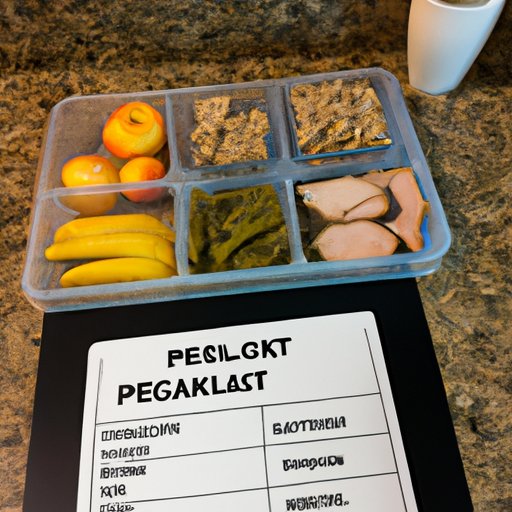
Meal prepping is an essential part of any successful diet plan. According to Dr. Alan Desmond, a registered nutritionist and spokesperson for the British Dietetic Association, “meal prepping is about having control over your meals and being able to make informed decisions about what you’re eating.”
Meal prepping helps you stay organized, save time, and stick to your calorie goals. To get started, decide what meals you want to prepare for the week. Consider making meals that are easy to reheat, like soups, stews, and casseroles. You can also make large batches of grains, proteins, and vegetables to use throughout the week.
Track Your Intake
Tracking your food intake is another important part of following a 2000 calorie diet. According to research published in the American Journal of Preventive Medicine, people who tracked their food intake were more likely to lose weight and keep it off.
There are many ways to track your food intake, including apps, journals, and online food diaries. When tracking your food intake, be sure to include all of your meals and snacks, as well as any beverages you consume throughout the day. This will help you stay mindful of your calorie intake and ensure you’re getting the right amount of nutrients.
Eat Balanced Meals
Eating balanced meals is key to following a 2000 calorie diet. According to the Dietary Guidelines for Americans, a balanced meal should include grains, proteins, fruits, vegetables, and dairy. Eating a variety of foods from each of these food groups ensures you’re getting all the essential vitamins and minerals your body needs.
When planning your meals, aim for at least three servings of vegetables, two servings of fruit, six ounces of grains, five ounces of protein, and three cups of dairy. Additionally, try to limit your intake of processed and refined foods, added sugars, and saturated fats.
Portion Control
Portion control is another important factor to consider when following a 2000 calorie diet. According to the Academy of Nutrition and Dietetics, portion sizes have increased dramatically over the past 20 years. As a result, many people are consuming more calories than they need.
To practice portion control, use smaller plates when serving meals. Additionally, be mindful of how much food you’re putting on your plate and focus on eating until you’re satisfied, not full. You can also measure out single servings of foods like cereal, nuts, and dried fruit to avoid overeating.
Choose Healthy Snacks
Snacking is an important part of any diet plan. However, it’s important to choose snacks that are nutritious and low in calories. According to the Harvard T.H. Chan School of Public Health, some healthy snack options include fruits, vegetables, nuts, seeds, yogurt, and whole grain crackers.
When snacking, aim to keep your portions small. For example, a single serving of nuts is 1 ounce (about a handful). Additionally, try to avoid processed and refined snacks like chips, candy, and cookies, as these are high in calories and low in nutritional value.
Conclusion
Following a 2000 calorie diet is a great way to reach your weight and health goals. To do so, it’s important to meal prep, track your food intake, eat balanced meals, practice portion control, and choose healthy snacks. Doing so can help you reach your desired weight and provide your body with the necessary nutrients it needs to function properly.
Making healthy choices can be difficult, but with the right mindset and a little effort, you can reach your goals. So take the time to plan your meals, track your food intake, and choose nutritious snacks.
(Note: Is this article not meeting your expectations? Do you have knowledge or insights to share? Unlock new opportunities and expand your reach by joining our authors team. Click Registration to join us and share your expertise with our readers.)