
Introduction
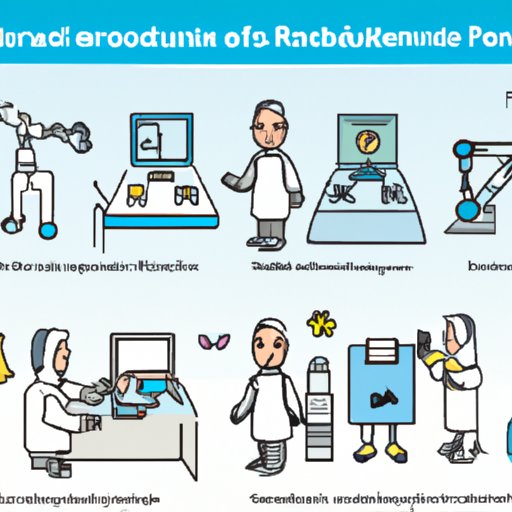
Robotics is a rapidly evolving field that is revolutionizing modern life as we know it. From manufacturing to healthcare and retail, robotics is transforming the way we live and work. But what exactly is robotics?
Robotics is the science of designing and building robots, machines that can be programmed to perform specific tasks. A robot is an artificial being designed to carry out complex tasks with varying degrees of autonomy. The field of robotics encompasses a wide range of disciplines, including engineering, computer science, artificial intelligence, and more.
In this article, we will explore the history of robotics, its impact on the workforce, the latest advancements in robotics technology, the pros and cons of robotics, ethical considerations, and how robotics are transforming various industries.
History of Robotics
The history of robotics dates back to ancient times, when humans constructed mechanical devices for labor-saving purposes. Early examples of robotics include Greek automata, such as Hero of Alexandria’s steam-powered model bird, and Chinese mechanical toys, such as the karakuri dolls.
The modern era of robotics began in the 1950s with the development of computers. This enabled scientists to design and program robots to carry out more complex tasks than ever before. In the 1970s, industrial robots were introduced to automate factory production lines.
Since then, robotics technology has advanced significantly. Today, robots are capable of performing a wide range of tasks, from simple assembly line work to complex medical procedures.

Impact of Robotics on the Workforce
Robotics is having a profound impact on the global workforce. On the one hand, robotics is creating new job opportunities by automating mundane and dangerous tasks, reducing costs, and increasing productivity. According to a study by McKinsey Global Institute, automation could create up to 800 million new jobs globally by 2030.
On the other hand, robotics is also displacing human workers. In some cases, robots are replacing human workers altogether, while in others, robots are augmenting human workers, taking over certain tasks and freeing them up to focus on more complex ones. As a result, many workers are facing the prospect of losing their jobs or having to learn new skills.

Exploring the Latest Robotics Technology
Robotics technology is advancing rapidly, and there are several exciting developments in the field. Advancements in robotics include increased dexterity and mobility, improved sensing capabilities, and enhanced cognitive abilities.
Industrial robots are becoming increasingly popular in factories, warehouses, and other industrial settings. These robots are used for a variety of tasks, such as welding, painting, packing, and assembling products. Autonomous robots, on the other hand, are capable of self-navigating without human control. They are used for applications such as search and rescue, surveillance, and exploration.

The Pros and Cons of Robotics
Robotics offers many potential benefits. Robots can help reduce costs and increase efficiency by automating repetitive tasks. They can also free up human workers to focus on more complex tasks. Additionally, robots can operate in hazardous environments, such as nuclear reactors, where humans cannot.
However, robotics also poses several challenges. For one, robots can be expensive to purchase and maintain. Additionally, they require substantial programming and upkeep, which can be costly and time-consuming. Finally, robots may lack the flexibility and creativity of human workers.
Ethical Considerations in Robotics
As robotics technology advances, ethical considerations become increasingly important. For example, who is responsible if a robot causes harm? How should robots be programmed to behave ethically? And what are the implications of using robots for military purposes? These are all questions that must be addressed as we move into the future.
According to a survey conducted by the Pew Research Center, most people believe that governments should regulate the use of robots and artificial intelligence to ensure ethical behavior. However, there is still much debate about how this regulation should be implemented.
How Robotics are Transforming Industries
Robotics is having a transformative effect on many industries, from manufacturing to healthcare and retail. In manufacturing, robots are used for a variety of tasks, such as welding, painting, packing, and assembling products. In healthcare, robots are used for surgery, diagnostics, and drug delivery. In retail, robots are being used to assist customers, manage inventory, and deliver goods.
Robots are also being used in agriculture, construction, transportation, and other industries. As robotics technology continues to advance, it will have an even greater impact on our lives.
Conclusion
Robotics is changing the way we live and work, with far-reaching implications for the global economy. From manufacturing to healthcare, robots are transforming industries by automating mundane and dangerous tasks, reducing costs, and increasing efficiency. At the same time, robotics is creating new job opportunities, while also displacing human workers.
It is clear that robotics will continue to play an increasingly important role in our lives. As we move into the future, it is important to consider the ethical implications of robotics and ensure that robots are used responsibly and ethically.
(Note: Is this article not meeting your expectations? Do you have knowledge or insights to share? Unlock new opportunities and expand your reach by joining our authors team. Click Registration to join us and share your expertise with our readers.)