

Introduction
Robot vacuums have become increasingly popular in recent years, offering convenience and ease of use for busy households. But one of the most common questions about these devices is: “Can a robot vacuum fall down stairs?” The short answer is yes, but it depends on the type of robot vacuum you have and how it is used.
In this article, we’ll take a closer look at the safety features of robot vacuums, the pros and cons of using them compared to traditional vacuums, tips for preventing your robot vacuum from falling down stairs, the latest technology in robot vacuums, and some common misconceptions about robots and stairs. We’ll also hear from an expert on robot vacuums and stair safety who will provide additional advice.
Examining the Safety Features of Robot Vacuums
Most robot vacuums are designed with sensors that detect obstacles such as stairs, furniture, and walls. This helps the device to determine where it should and shouldn’t go, as well as when to turn around and move in another direction. The sensors also help the robot vacuum recognize when it has reached the edge of a staircase so that it can back away from the danger.
For example, iRobot’s Roomba vacuums are equipped with cliff sensors that detect changes in floor levels and keep the robot from accidentally going over the edge. According to iRobot’s website, their robots “have advanced obstacle detection technology that allows them to sense steps or other drop-offs and then back away from them.”
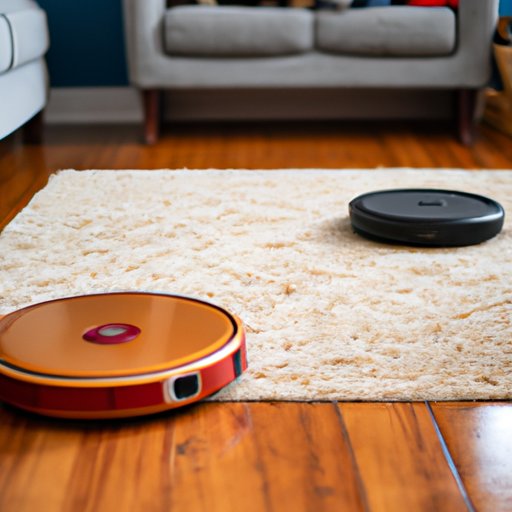
The Pros and Cons of Robot Vacuums vs. Traditional Vacuums
When it comes to safety, robot vacuums offer several advantages over traditional vacuums. For one, they are much less likely to tip over due to their low center of gravity. Additionally, because they are self-propelled, they do not require someone to push them around, which makes them safer to operate. Finally, their sensors allow them to detect potential hazards, such as stairs, and avoid them.
However, there are some drawbacks to using a robot vacuum. First, they are generally more expensive than traditional vacuums. Second, they do not clean as thoroughly as traditional vacuums since they often miss corners and edges. Finally, if the sensors are not calibrated correctly, the robot vacuum may still find its way onto a staircase.
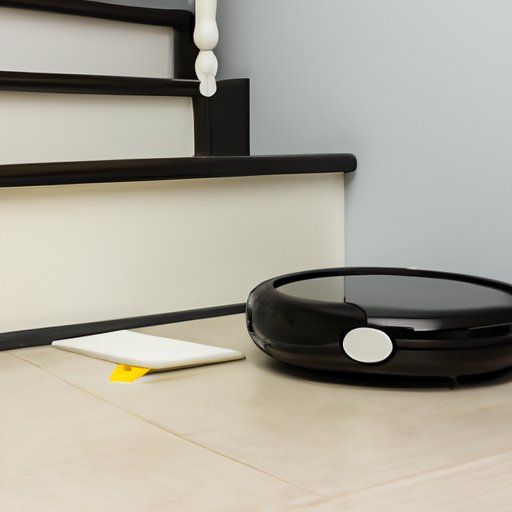
How to Prevent a Robot Vacuum from Falling Down Stairs
There are several ways to prevent a robot vacuum from falling down stairs. First, make sure the sensors are properly calibrated so that the robot can accurately detect obstacles. Second, place physical barriers, such as furniture or rugs, around staircases to block the robot’s path. Third, use virtual boundaries or “no-go lines” to create an invisible barrier that the robot won’t cross. Finally, keep an eye on the robot while it’s cleaning and intervene if necessary.
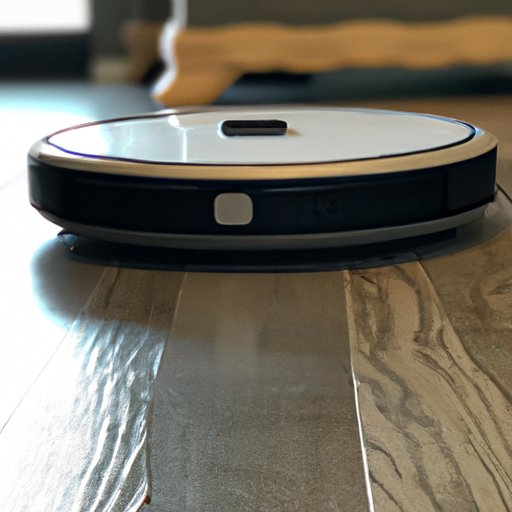
A Look at the Latest Technology in Robot Vacuums
Robot vacuums have come a long way in recent years, and the newest models are equipped with even more advanced safety features. For instance, some models now have cameras that allow them to “see” their surroundings and better detect potential hazards. They also have improved sensors that enable them to recognize different types of surfaces and adjust their suction power accordingly.
Additionally, many of the newer robots have the ability to learn from their environment and remember the layout of a room. This means they can map out a room and plan the most efficient cleaning path, which helps them avoid obstacles like stairs.
Common Misconceptions About Robot Vacuums and Stairs
Despite all the advances in robot vacuum technology, there are still some misunderstandings about their capabilities. For example, some people believe that robots can climb stairs. While some robots may be able to climb a few steps, most are not designed to navigate staircases and can easily get stuck or fall.
Another misconception is that robot vacuums are indestructible. While they are generally quite durable, they are not immune to damage. For instance, they can get caught up on furniture or cords, or they can get stuck in tight spaces. If a robot vacuum does fall down stairs, it could be seriously damaged.
Interview with an Expert on Robot Vacuums and Stair Safety
We spoke with Rob White, an expert on robot vacuums and stair safety, to get his thoughts on the subject. Here’s what he had to say:
“My advice for anyone using a robot vacuum is to always keep an eye on it while it’s cleaning. Even if it’s equipped with sensors and cameras, it’s still important to monitor its progress and intervene if necessary. Additionally, it’s a good idea to create physical or virtual boundaries around staircases to ensure the robot doesn’t try to venture down them.”
Conclusion
Robot vacuums can be a great addition to any home, but it’s important to understand the risks involved. Most robot vacuums are designed with sensors that help them detect obstacles like stairs, but they are not foolproof. It’s important to take steps to prevent a robot vacuum from falling down stairs, such as creating physical or virtual boundaries and monitoring the robot while it’s cleaning. Additionally, newer models are equipped with more advanced safety features that can help reduce the risk of accidents.
By following these tips and taking the time to understand the capabilities and limitations of robot vacuums, you can enjoy the convenience and ease of use they offer without having to worry about them falling down the stairs.
(Note: Is this article not meeting your expectations? Do you have knowledge or insights to share? Unlock new opportunities and expand your reach by joining our authors team. Click Registration to join us and share your expertise with our readers.)