

Introduction
Constipation is a common digestive issue that affects many people at some point in their lives. It is characterized by infrequent bowel movements, hard, dry stools, and abdominal pain or discomfort. While it can occur for a variety of reasons, traveling can be a major factor in causing constipation. In this article, we’ll explore why traveling can lead to constipation and discuss ways to prevent it.
Examining the Causes of Travel-Induced Constipation
When you’re on the go, it can be difficult to stick to your normal routine. This can disrupt your digestion and cause constipation. Here are some of the most common causes of travel-induced constipation:
Change in Diet
One of the main causes of travel-related constipation is a change in diet. When you’re away from home, it can be difficult to find foods that are high in fiber, which is important for healthy digestion. “The breakfast options are often limited on the road, with few choices of fresh fruits and vegetables,” says registered dietitian nutritionist Leslie Langevin, MS, RD, CD, of Whole Health Nutrition. “This means travelers may miss out on important sources of fiber.”
Change in Activity Level
Staying active is also important for digestive health. But when you’re traveling, it can be difficult to find time to exercise. This can lead to constipation because a lack of physical activity has been linked to slower digestion. According to a study published in the American Journal of Gastroenterology, “low levels of physical activity have been associated with a greater risk of constipation.”
Stress
Stress is another factor that can contribute to travel-related constipation. Traveling can be stressful, and the body responds to stress by sending signals to the digestive system. This can lead to constipation. According to a study published in the journal Gastroenterology & Hepatology, “chronic stress can lead to a decrease in the motility of the gastrointestinal tract, resulting in constipation.”
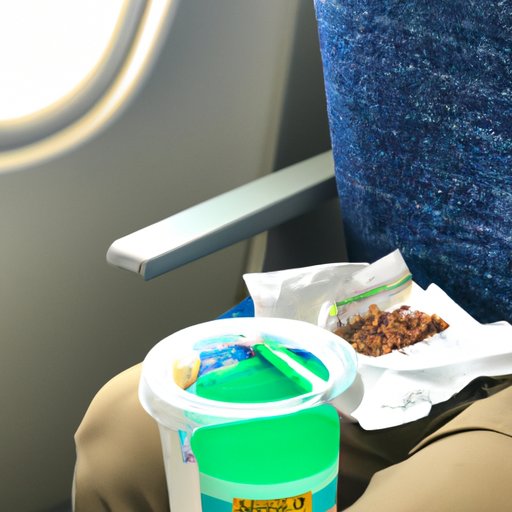
How to Avoid Constipation While Traveling
Fortunately, there are some simple steps you can take to help prevent constipation while traveling. Here are some tips to keep in mind:
Eat a High-Fiber Diet
Eating a high-fiber diet is one of the best ways to prevent constipation. Aim to include plenty of fruits, vegetables, whole grains, and legumes in your diet. These foods are rich in fiber, which helps to keep the digestive system regular. A study published in the journal Nutrients found that “increased dietary fiber intake is associated with a decreased risk of constipation.”
Drink Plenty of Water
Staying hydrated is also important for digestive health. Make sure to drink plenty of water throughout the day to help keep things moving. A study published in the International Journal of Environmental Research and Public Health found that “adequate water intake can help to reduce the risk of constipation.”
Exercise Regularly
Exercise is key for digestive health. Try to make time for physical activity while traveling, even if it’s just a short walk. A study published in the journal Gut Microbes found that “regular physical activity can help to reduce the risk of constipation.”
Get Enough Sleep
Getting enough sleep is also important for digestive health. Aim for seven to nine hours of sleep each night. A study published in the journal Sleep Medicine Reviews found that “sleep deprivation is associated with an increased risk of constipation.”
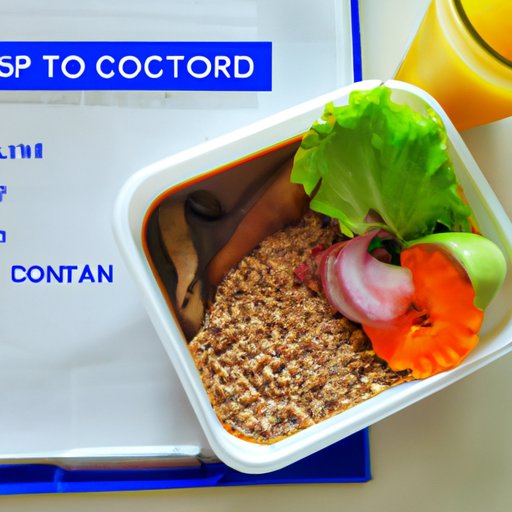
Diet and Lifestyle Changes That Can Help Reduce Constipation During Travel
Making some simple changes to your diet and lifestyle can help to reduce the risk of constipation while traveling. Here are some tips to keep in mind:
Increase Fiber Intake
Increasing your fiber intake is one of the best ways to prevent constipation. Aim to include plenty of fruits, vegetables, whole grains, and legumes in your diet. A study published in the journal Nutrients found that “increasing fiber intake can help to reduce the risk of constipation.”
Reduce Caffeine Intake
Caffeine can also have a negative impact on digestion. Try to limit your caffeine intake while traveling. A study published in the journal Clinical Gastroenterology and Hepatology found that “caffeine consumption can lead to an increased risk of constipation.”
Eat More Fruits and Vegetables
Fruits and vegetables are rich in fiber and other nutrients that are important for digestive health. Try to include plenty of these foods in your diet while traveling. A study published in the journal Nutrients found that “a higher intake of fruits and vegetables is associated with a decreased risk of constipation.”
Limit Processed Foods
Processed foods are often low in fiber and can be difficult to digest. Try to limit your intake of processed foods while traveling. A study published in the journal Nutrients found that “processed foods have been linked to an increased risk of constipation.”
Increase Fluid Intake
Staying hydrated is important for digestive health. Make sure to drink plenty of water throughout the day to help keep things moving. A study published in the International Journal of Environmental Research and Public Health found that “adequate fluid intake is associated with a reduced risk of constipation.”
Understanding the Link Between Stress and Constipation During Travel
Stress can also play a role in causing constipation. Traveling can be stressful, and the body responds to stress by sending signals to the digestive system. This can lead to constipation. According to a study published in the journal Gastroenterology & Hepatology, “chronic stress can lead to a decrease in the motility of the gastrointestinal tract, resulting in constipation.”
Ways to Manage Stress
Managing stress is key for digestive health. Try to take some time to relax while traveling. Take a few deep breaths, meditate, or practice yoga. A study published in the journal Frontiers in Psychology found that “mindfulness-based practices can help to reduce stress and improve digestive health.”
Exploring Natural Remedies for Travel-Related Constipation
There are also some natural remedies that can help to reduce constipation while traveling. Here are some to consider:
Probiotics
Probiotics are beneficial bacteria that help to promote digestive health. They can help to reduce constipation by increasing the number of good bacteria in the gut. A study published in the journal PLOS One found that “probiotic supplementation can help to reduce the risk of constipation.”
Herbal Supplements
Herbal supplements can also be helpful for constipation. Try taking a supplement that contains herbs such as fennel, ginger, and licorice root. A study published in the journal Phytotherapy Research found that “herbal preparations can be used to reduce the symptoms of constipation.”
Acupuncture
Acupuncture can also be helpful for digestive health. It involves the insertion of thin needles into specific points on the body to help stimulate the digestive system. A study published in the journal Evidence-Based Complementary and Alternative Medicine found that “acupuncture can be used to reduce the symptoms of constipation.”
Conclusion
Traveling can be a major cause of constipation. Fortunately, there are some simple steps you can take to help prevent it. Try to stick to a high-fiber diet, drink plenty of water, exercise regularly, get enough sleep, and manage stress. You can also try natural remedies such as probiotics, herbal supplements, and acupuncture. By following these tips, you can help to avoid constipation while traveling.
(Note: Is this article not meeting your expectations? Do you have knowledge or insights to share? Unlock new opportunities and expand your reach by joining our authors team. Click Registration to join us and share your expertise with our readers.)