
Introduction
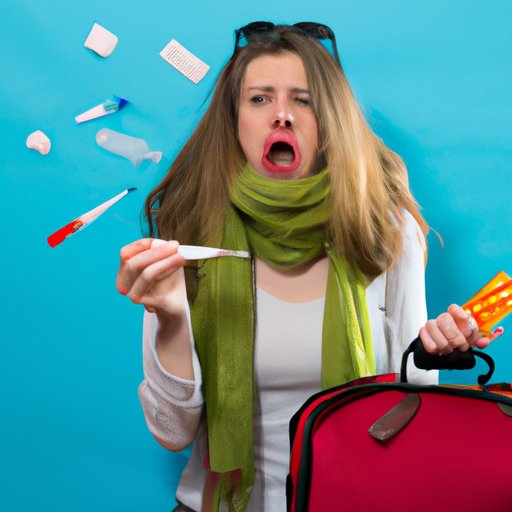
Traveling can be an exciting experience, but it can also take a toll on your health. From jet lag to air pollution, there are a number of factors that can contribute to travel-related illness. In this article, we’ll explore some of the most common culprits behind travel-related illness and provide tips for minimizing their effects and preventing sickness while traveling.
The Role of Stress in Travel-Related Illness
Stress is a normal part of life, but it can have a significant impact on your physical and mental health. According to Harvard Medical School, “Chronic stress exposes your body to unhealthy, persistently elevated levels of stress hormones like adrenaline and cortisol.” These hormones can wreak havoc on your immune system and leave you more susceptible to illness.
Traveling can be a particularly stressful event, especially if you’re not prepared for it. Planning ahead and taking steps to reduce stress can help minimize the negative impacts it can have on your health. Here are a few strategies for managing stress while traveling:
- Allow yourself plenty of time to get to your destination.
- Pack light and prepare for any potential delays or problems.
- Take breaks when you need them.
- Eat healthy meals and snacks throughout your journey.
- Stay connected with friends and family during your travels.
Examining the Impact of Jet Lag on Health
Jet lag occurs when your body’s internal clock is thrown off balance due to rapid changes in time zones. It can be especially difficult to adjust to the new time zone if you’re crossing multiple time zones or if you’re traveling eastward. Common symptoms of jet lag include fatigue, insomnia, headaches, digestive issues, and general malaise.
Fortunately, there are ways to minimize the effects of jet lag and avoid feeling sick while traveling. Here are a few tips for minimizing jet lag-related fatigue and illness:
- Adjust your sleep schedule gradually before the trip.
- Stay hydrated and avoid alcohol and caffeine.
- Spend time outdoors in natural light.
- Schedule activities that will help you adjust to the new time zone.
- Take short naps during the day if needed.
Preventing Illness While Traveling
Practicing good hygiene is essential for preventing illness while traveling. This includes washing your hands frequently, avoiding contact with sick people, and keeping your belongings clean. Eating healthy while traveling is also important, as unhealthy food can weaken your immune system and make you more prone to sickness.
It’s also important to stay hydrated while traveling. Dehydration can worsen the symptoms of jet lag and make you more vulnerable to illness. Be sure to drink plenty of water throughout your journey and limit your intake of caffeinated and alcoholic beverages.
Boosting Immunity During Travel
Getting enough sleep is one of the best ways to boost your immunity while traveling. According to a study conducted by the University of California San Diego, “Sleep deprivation impairs the function of many immune cells, including those involved in antiviral responses.” Aim for at least seven hours of quality sleep per night.
Taking supplements to boost your immunity can also be beneficial. Vitamin C, zinc, and probiotics are all known to support immune system function. Additionally, exercising regularly can help keep your immune system strong and reduce your risk of getting sick while traveling.
Exploring the Link Between Air Pollution and Travel-Related Sickness
Air pollution is a major source of health risks, especially for travelers. According to the World Health Organization, “Air pollution can cause a wide range of adverse health effects, from irritation of the eyes, nose, and throat to more serious diseases, including respiratory infections and heart disease.”
Common sources of air pollution include vehicle exhaust, power plants, factories, and burning of biomass. To protect against air pollution, it’s important to limit your exposure to polluted areas and wear a face mask when necessary. It’s also helpful to purchase an air purifier for your hotel room or other enclosed spaces.
Conclusion
Traveling can be a wonderful experience, but it can also lead to travel-related illness if you’re not careful. Factors such as stress, jet lag, air pollution, poor hygiene, and weakened immunity can all contribute to travel-related sickness. To minimize the risk of getting sick while traveling, it’s important to practice healthy habits such as getting enough sleep, eating healthy, staying hydrated, and boosting your immunity with supplements.
By understanding the causes of travel-related illness and taking steps to prevent it, you can ensure a safe and enjoyable journey.
(Note: Is this article not meeting your expectations? Do you have knowledge or insights to share? Unlock new opportunities and expand your reach by joining our authors team. Click Registration to join us and share your expertise with our readers.)