
Introduction
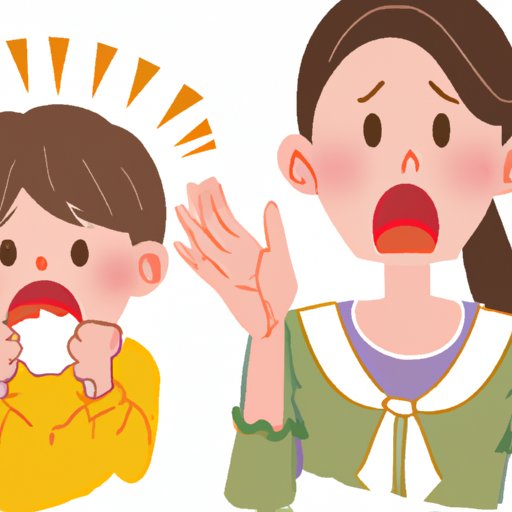
Yelling is defined as speaking in a loud, forceful manner with a high pitch. It is a form of verbal aggression that is often used when people are angry or frustrated. While it may seem like an effective way to get someone’s attention or make a point, yelling can have both short- and long-term consequences on physical and mental health. This article will explore why people yell, the effects of yelling, strategies for reducing stress and anxiety that lead to yelling, and how to communicate effectively without raising your voice.
What to Know About the Short- and Long-Term Effects of Yelling
When someone is yelled at, their body releases stress hormones such as cortisol and adrenaline. These hormones can negatively affect the body’s physical and emotional health over time. In the short term, yelling can lead to increased heart rate, elevated blood pressure, headaches, difficulty breathing, digestive problems, and insomnia. Over time, chronic yelling can lead to anxiety, depression, and post-traumatic stress disorder (PTSD).
In addition to physical and mental health issues, yelling can also have serious repercussions on relationships. It can create feelings of fear, anger, and mistrust in those who are on the receiving end. Yelling can also lead to a breakdown in communication, which can further damage the relationship. As a result, it is important to understand the potential effects of yelling and take steps to reduce or eliminate it from our lives.

The Benefits of Knowing When and How to Stop Yelling
In order to stop yelling, it is important to first identify what triggers the behavior. Common triggers include feeling overwhelmed, frustrated, or powerless. Once these triggers have been identified, it is important to practice self-awareness and self-control. Taking deep breaths and counting to ten can help to calm down before responding. It is also helpful to develop healthy coping strategies, such as taking a walk or writing in a journal.
Strategies for Reducing Stress and Anxiety That Lead to Yelling
Reducing stress and anxiety can help to prevent yelling. Practicing relaxation techniques such as yoga, meditation, and deep breathing can help to lower stress levels and promote a sense of calm. Setting boundaries and limits can also reduce stress by helping to create a sense of control. Finally, taking time for yourself is essential in order to recharge and avoid feeling overwhelmed.
How to Communicate Effectively Without Raising Your Voice
Communication is key in any relationship and it is important to be able to do so without raising your voice. Listening actively and giving undivided attention can help to create a safe space for meaningful conversations. Utilizing “I” statements rather than “you” statements can help to reduce conflict and diffuse tense situations. It is also important to be aware of body language and avoid aggressive gestures such as pointing or standing too close.

Teaching Kids to Avoid Yelling Through Positive Reinforcement
Modeling positive behaviors is one of the best ways to teach children how to communicate without yelling. Encouraging emotional expression and providing rewards for good behavior can help to reinforce healthy habits. Teaching children to express themselves in a non-threatening manner can help them to develop healthy communication skills that will serve them well into adulthood.

Why Yelling Is Not an Effective Way to Parent
Yelling is not an effective way to parent because it can have long-lasting negative consequences. Not only does it create a hostile environment, but it can also lead to feelings of fear, anger, and mistrust in children. Furthermore, it models unhealthy communication skills that can be difficult to unlearn. Instead, it is important to model healthy communication skills and use alternative methods of discipline such as timeouts or natural consequences.
Exploring the Impact of Yelling on Mental and Physical Health
Yelling can have serious repercussions on both physical and mental health. Physically, it can lead to increased heart rate, elevated blood pressure, headaches, difficulty breathing, digestive problems, and insomnia. Mentally, it can cause anxiety, depression, and PTSD. In addition, yelling can also have an impact on relationships as it can create feelings of fear, anger, and mistrust. It is important to create a safe, non-threatening environment in order to reduce the potential for yelling.
Conclusion
Yelling can have both short- and long-term consequences on physical and mental health. Understanding the reasons why people yell and the effects of yelling is essential in order to reduce or eliminate it from our lives. Practicing self-awareness and self-control, developing healthy coping strategies, and communicating effectively without raising your voice can all help to reduce stress and anxiety that lead to yelling. Additionally, teaching kids to avoid yelling through positive reinforcement and modeling healthy communication skills can help to create a safe, non-threatening environment. Overall, yelling is not an effective way to parent and should be avoided whenever possible.
(Note: Is this article not meeting your expectations? Do you have knowledge or insights to share? Unlock new opportunities and expand your reach by joining our authors team. Click Registration to join us and share your expertise with our readers.)