
Introduction
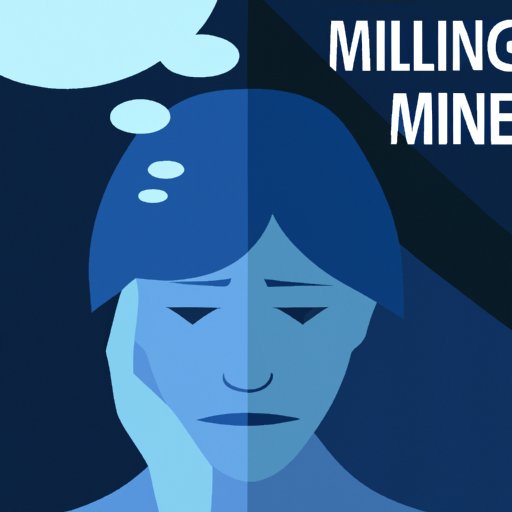
When someone says they are “feeling blue,” they are usually referring to a state of sadness. It is an expression that has been around since the early 1800s and is used to describe feelings of depression or gloominess. While feeling blue can refer to a passing mood, it can also be a symptom of something more serious. In order to better understand why you may be feeling blue, it is important to examine the psychology behind this emotion and explore potential causes and solutions.
Examining the Psychology Behind Feeling Blue
In order to make sense of why you feel blue, it is important to take a closer look at how emotions work. According to a study conducted by the American Psychological Association (APA), “emotional regulation is the ability to manage one’s emotional responses to situations and events in a way that is adaptive and healthy.” Emotional regulation involves being able to recognize and accept emotions, as well as having the tools and strategies to effectively cope with them.
The APA study also found that unprocessed emotions can lead to a higher risk of feeling blue. Unprocessed emotions are those that have not been fully expressed or accepted. They can build up over time and lead to feelings of sadness or depression. On the other hand, processing emotions can help to reduce feelings of sadness and provide a sense of relief.

Exploring Reasons for Sudden Onset of Sadness
There are a variety of reasons why someone may suddenly experience feelings of sadness. Life transitions such as graduating from school, starting a new job, or moving to a new home can all be difficult and lead to feelings of loneliness and disconnection. Unexpected loss, whether it be the death of a loved one or the end of a relationship, can also create feelings of sadness. Chronic illness or injury can also lead to depression, as it can limit a person’s ability to enjoy life and engage in activities they once found pleasurable.
The Impact of Stress, Anxiety, and Depression on Mental Health
Stress, anxiety, and depression can all have a negative impact on mental health. It is important to recognize the symptoms of these conditions, such as difficulty sleeping, lack of energy, difficulty concentrating, and changes in appetite. If left untreated, these conditions can lead to feelings of sadness and hopelessness.
Research conducted by the National Institute of Mental Health (NIMH) found that “people with severe depression often have physical symptoms such as fatigue, headaches, or digestive problems.” It is important to seek professional help if you are experiencing any of these symptoms, as they can be indicators of a more serious mental health issue.

Coping Strategies for Overcoming the Blues
It is possible to overcome the blues with the right coping strategies. Developing a self-care plan is a great place to start. This could include taking time for yourself each day, engaging in physical activity, and eating a balanced diet. Connecting with others can also be beneficial, as it can help to reduce feelings of loneliness and isolation. Additionally, participating in mindful activities such as meditation and yoga can help to reduce stress and promote relaxation.

Finding Support When You Feel Blue
If you are struggling with feeling blue, there are many sources of support available. Seeking professional help can be beneficial, as a therapist or counselor can help you to develop effective coping strategies. There are also many online resources available, such as mental health apps, blogs, and websites.
Reaching out to friends and family can also be helpful. Talking to someone who understands and can offer support can make a big difference. It is important to remember that you are not alone and that there are people who care about you and want to help.
Conclusion
Feeling blue can be caused by a variety of factors, including life transitions, unexpected loss, chronic illness, or stress. Understanding the psychology behind this emotion can help to identify potential causes and solutions. Developing a self-care plan, connecting with others, and finding professional help are all effective strategies for overcoming the blues. No matter what you are going through, it is important to remember that you are not alone and that there are people who care about you and want to help.
(Note: Is this article not meeting your expectations? Do you have knowledge or insights to share? Unlock new opportunities and expand your reach by joining our authors team. Click Registration to join us and share your expertise with our readers.)