
Introduction
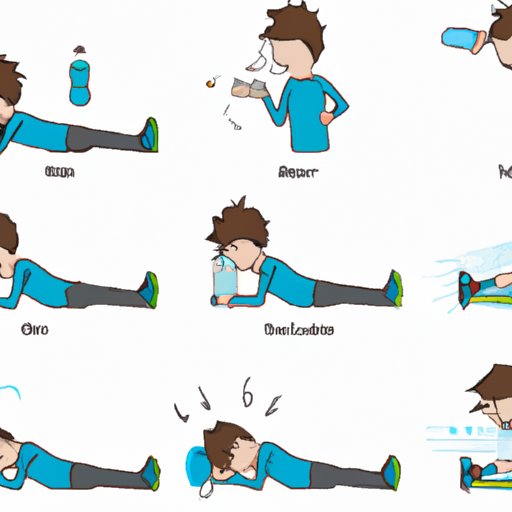
Feeling tired after exercising is a common phenomenon experienced by many people. This phenomenon, known as post-exercise fatigue, is defined as an overwhelming feeling of exhaustion that follows physical exertion. Although it is normal to feel some level of fatigue after exercise, it is important to understand the underlying causes of this exhaustion in order to prevent it from becoming too extreme. In this article, we will explore the various factors that contribute to post-exercise fatigue and discuss strategies for combating it.
Exploring the Causes of Post-Exercise Fatigue
In order to understand why some people may be more prone to post-exercise fatigue than others, it is important to examine the science behind exercise-related exhaustion. According to research conducted by the American Council on Exercise, the body’s energy systems are put under stress during physical activity, which can lead to fatigue. To make matters worse, if the intensity of the exercise is too great, it can create an oxygen debt in the body, resulting in an even greater sense of fatigue. Additionally, research has shown that sleep deprivation can also play a role in post-exercise fatigue. One study found that participants who were sleep deprived reported higher levels of post-exercise exhaustion than those who had gotten adequate rest.
Investigating the Role of Hydration in Combatting Post-Workout Tiredness
Hydration is another factor that can contribute to post-exercise fatigue. When the body is dehydrated, it is unable to perform at its optimal level and therefore becomes more susceptible to exhaustion. Research indicates that athletes who are adequately hydrated before, during, and after exercise can reduce their risk of experiencing fatigue. Additionally, it is important to consider the intensity of the exercise when assessing post-exercise fatigue. Studies have shown that intense exercise can cause the body to become depleted of energy more quickly, leading to a greater sense of exhaustion post-workout.
Evaluating the Benefits of Recovery Time for Preventing Fatigue After Exercise
Adequate rest and nutrition are essential for preventing post-exercise fatigue. Rest allows the body to repair itself and replenish its energy stores, while proper nutrition helps provide the fuel necessary for performance. Additionally, there are certain strategies that can be implemented to increase energy levels post-workout. These include consuming a post-exercise snack or drink containing carbohydrates and proteins, taking a cold shower to reduce muscle soreness, and stretching to improve circulation.
Conclusion
Post-exercise fatigue is a common phenomenon experienced by many people. In order to combat this exhaustion, it is important to understand the science behind it and the factors that can contribute to it. These include inadequate hydration, sleep deprivation, and overexertion. Additionally, adequate rest and nutrition are essential for preventing post-exercise fatigue, and there are certain strategies that can be implemented to increase energy levels post-workout. By following these guidelines, individuals can reduce their risk of experiencing post-exercise exhaustion.
(Note: Is this article not meeting your expectations? Do you have knowledge or insights to share? Unlock new opportunities and expand your reach by joining our authors team. Click Registration to join us and share your expertise with our readers.)