

Introduction
Diet and exercise are often considered the two most important components of any weight loss plan. But if you’ve been consistently following a healthy diet and regular exercise routine and still aren’t seeing results, it can be frustrating and disheartening. So why am I not losing weight with diet and exercise?
In order to understand why you’re not seeing the results you want, it’s important to take a closer look at your diet and exercise habits. There could be some underlying factors that are preventing you from reaching your weight loss goals, such as stress, metabolic and hormonal imbalances, and unhealthy eating habits. Additionally, lifestyle factors like lack of sleep, poor hydration, and excessive alcohol consumption can also contribute to weight gain or impede weight loss.
Analyzing Your Diet and Exercise Habits to Identify Weight Loss Obstacles
The first step in understanding why diet and exercise may not be helping you lose weight is to analyze your current habits. By tracking calories consumed and burned, assessing macronutrient intake, and identifying any unhealthy eating habits, you can gain insight into what might be preventing you from reaching your desired weight.
Tracking Calories Consumed and Burned
Calorie tracking can help you determine whether you’re consuming more calories than you’re burning. According to the American Heart Association, “To lose 1 pound per week, you need to create a 3,500-calorie deficit each week. That means cutting 500 calories each day from what you eat and drink, or adding 500 calories worth of physical activity each day.” 1 If you’re not tracking your calorie intake and output, you may be unknowingly sabotaging your weight loss efforts.
Assessing Macronutrient Intake
In addition to tracking calories, it’s important to assess your macronutrient intake. Macronutrients are the three main types of nutrients found in food: carbohydrates, proteins, and fats. Each macronutrient has a different effect on the body when consumed. For example, carbohydrates are the body’s primary source of energy, while proteins and fats help regulate hormones and provide essential fatty acids for the body. 2 Eating the right balance of macronutrients can help support weight loss.
Identifying Unhealthy Eating Habits
Finally, it’s important to identify any unhealthy eating habits that may be contributing to your weight loss plateau. These could include emotional eating, late-night snacking, grazing throughout the day, or skipping meals. Making small changes to improve your eating habits can have a big impact on your overall health and well-being.
Exploring the Role of Stress in Weight Loss Resistance
Stress can play a major role in weight loss resistance. When we’re stressed, our bodies produce cortisol, a hormone that triggers the fight-or-flight response. This response can lead to an increase in appetite, cravings for sugary and fatty foods, and an increased risk of overeating. 3 It can also cause us to feel tired and unmotivated to exercise, leading to further weight gain.
The Physiological Effects of Stress on the Body
Stress can have a significant impact on the body’s physiology. When we’re stressed, our bodies produce cortisol, which causes the release of sugar into the bloodstream. This sugar provides energy to the body so that it can respond to the perceived threat. However, this process can also lead to an increase in insulin levels, which can cause the body to store fat instead of burning it. 4
The Link Between Stress and Weight Gain
The link between stress and weight gain is well established. Studies have shown that people who are under chronic stress tend to have higher levels of cortisol, which can lead to an increase in appetite and cravings for sugary and fatty foods. 5 This can result in overeating and weight gain.
Strategies for Reducing Stress
To combat the effects of stress on your weight loss journey, it’s important to practice stress management techniques. This could include mindful meditation, journaling, yoga, deep breathing, or engaging in activities that bring you joy. Additionally, getting enough sleep and avoiding caffeine and alcohol can also help reduce stress levels. 6
Examining Metabolism and Hormonal Balance for Weight Loss
Metabolic function and hormonal balance can also play a role in weight loss resistance. Metabolism refers to the body’s ability to convert food into energy. A slow metabolism can make it difficult to lose weight, as the body doesn’t burn as many calories as it should. Additionally, hormonal imbalances can also prevent the body from burning fat efficiently, leading to weight gain.
Understanding How Metabolism Affects Weight Loss
Metabolism plays an important role in weight loss. The faster your metabolism, the more calories you can burn. To boost your metabolism, you can incorporate high-intensity interval training (HIIT) into your exercise routine, as HIIT has been shown to burn more calories than traditional forms of exercise. 7 Additionally, foods that have a high thermogenic effect, such as spicy peppers and green tea, can also help boost metabolism. 8
Hormonal Imbalances That Can Impact Weight Loss
Hormones play a major role in regulating metabolism and controlling hunger. An imbalance of hormones can lead to weight gain and difficulty losing weight. Common hormonal imbalances that can impact weight loss include leptin resistance, insulin resistance, and thyroid disorders. 9
Ways to Improve Metabolic Function and Hormonal Balance
There are several things you can do to improve metabolic function and hormonal balance. Eating a balanced diet, incorporating strength training into your exercise routine, and getting enough sleep are all key factors in maintaining a healthy metabolism and hormonal balance. Additionally, taking supplements such as fish oil, probiotics, and vitamin D can also help support hormonal balance and weight loss. 10
Understanding the Benefits of Intermittent Fasting for Weight Loss
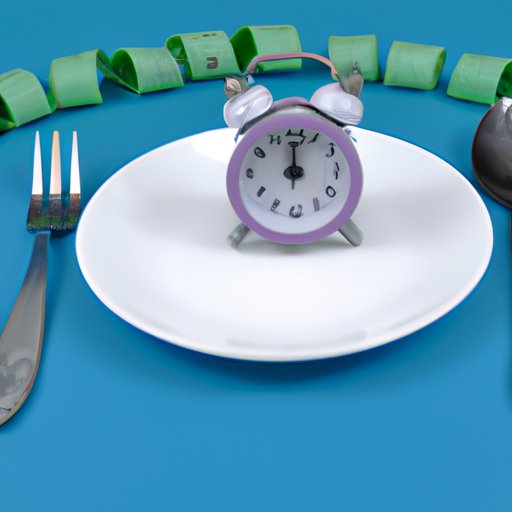
Intermittent fasting is an increasingly popular approach to weight loss. This type of diet involves alternating periods of fasting and eating, usually over a 24-hour period. Research has shown that intermittent fasting can help promote weight loss, improve metabolic health, and reduce inflammation. 11 However, it’s important to note that intermittent fasting isn’t suitable for everyone, and there are potential risks associated with this type of diet.
The Science Behind Intermittent Fasting
Intermittent fasting works by reducing the amount of time you spend eating. During a fast, the body has to draw upon its stored energy sources, such as glycogen and fat, to fuel the body. This leads to an increased metabolic rate and the breakdown of fat stores. 12 Additionally, intermittent fasting can help reduce inflammation, improve insulin sensitivity, and reduce blood sugar levels. 13
Potential Benefits of Intermittent Fasting
Intermittent fasting has been shown to have numerous health benefits. Studies have found that intermittent fasting can help improve metabolic health, reduce inflammation, and promote weight loss. 14 Additionally, it can help lower cholesterol and triglyceride levels, reduce blood pressure, and improve cardiovascular health. 15
Risks Associated with Intermittent Fasting
It’s important to note that there are potential risks associated with intermittent fasting. This type of diet isn’t suitable for everyone, and if not done correctly, it can lead to nutrient deficiencies and dehydration. Additionally, if you’re pregnant or breastfeeding, have diabetes, or have a history of eating disorders, intermittent fasting is not recommended. 16
Investigating Any Unhealthy Eating Habits That May Be Contributing to Plateaus
Unhealthy eating habits can also contribute to weight loss plateaus. Emotional eating, late-night snacking, grazing throughout the day, and skipping meals are all common unhealthy eating habits that can lead to weight gain. To break through a weight loss plateau, it’s important to identify any unhealthy eating habits and make changes to improve your eating habits.
Identifying Unhealthy Eating Habits
The first step in improving your eating habits is to become aware of any unhealthy habits you may have. This could include emotional eating, late-night snacking, grazing throughout the day, or skipping meals. Once you’ve identified these habits, you can start to make changes to improve your eating habits.
Making Changes to Improve Eating Habits
Once you’ve identified any unhealthy eating habits, it’s important to make changes to improve them. This could include planning out meals ahead of time, meal prepping, avoiding trigger foods, and limiting portion sizes. Additionally, drinking plenty of water and eating protein-rich foods can also help curb cravings and keep you feeling full for longer. 17
Setting Realistic Goals
Finally, it’s important to set realistic goals for yourself. Trying to make too many changes too quickly can be overwhelming, so start small and focus on making one change at a time. Additionally, setting realistic goals helps to ensure that you don’t become discouraged when progress is slow. 18

Assessing Lifestyle Factors That May Be Impeding Weight Loss
Lifestyle factors such as lack of sleep, poor hydration, and excessive alcohol consumption can also have a negative impact on weight loss. These factors can interfere with hormone production, disrupt metabolism, and contribute to weight gain. To ensure that lifestyle factors aren’t impeding your weight loss progress, it’s important to assess your lifestyle and make changes where necessary.
Lack of Sleep
Getting enough sleep is essential for overall health and well-being. Studies have shown that lack of sleep can lead to an increase in cortisol, which can cause weight gain. Additionally, sleep deprivation can lead to an increase in appetite and cravings for sugary and fatty foods. 19 To ensure that you’re getting enough sleep, aim for 7-9 hours of quality sleep per night.
Poor Hydration
Staying adequately hydrated is also important for weight loss. Studies have found that drinking plenty of water can help boost metabolism, reduce cravings, and increase satiety. 20 Additionally, drinking water before meals can help reduce calorie intake. Aim to drink at least 8 glasses of water per day to stay properly hydrated.
Excessive Alcohol Consumption
Finally, it’s important to limit alcohol consumption. Alcohol contains empty calories that can add up quickly, and it can also increase cravings for unhealthy foods. Additionally, alcohol has been shown to disrupt metabolism and make it harder for the body to burn fat. 21 To ensure that your weight loss efforts aren’t being sabotaged, limit your alcohol consumption to no more than 2 drinks per day.
Conclusion
If you’ve been following a healthy diet and regular exercise routine but still aren’t seeing results, there could be some underlying factors that are preventing you from reaching your weight loss goals. This article explored why diet and exercise may not be helping you lose weight, including the role of stress, metabolic and hormonal imbalances, lifestyle factors, and unhealthy eating habits. By analyzing your diet and exercise habits, exploring the role of stress, examining metabolism and hormonal balance, understanding the benefits of intermittent fasting, and investigating any unhealthy eating habits, you can uncover the potential obstacles to weight loss and get back on track with your weight loss journey.
(Note: Is this article not meeting your expectations? Do you have knowledge or insights to share? Unlock new opportunities and expand your reach by joining our authors team. Click Registration to join us and share your expertise with our readers.)