
Introduction
When you think about the different seasons, what comes to mind? For many people, it’s the changing of the leaves in autumn, the warmth of summer days, or the freshness of springtime blooms. But did you know that each season can also be associated with a particular personality type? In other words, there are certain traits and characteristics that are unique to each season—and they can tell us a lot about ourselves.
In this article, we’ll explore what it means to have a seasonal personality and how you can identify which season resonates most with you. We’ll also look at the symbolic meanings behind each season and discuss how to craft a “seasonal self-portrait” to gain insight into yourself.
A Guide to Identifying Your Seasonal Personality
Each season has its own personality type that can be used to describe individuals. By exploring the different seasons through your own experiences, you can gain a better understanding of yourself and your place in the world.
Exploring the Different Seasons Through Your Own Experiences
The first step to identifying your seasonal personality is to consider how you experience each season. Here’s a brief overview of the four seasons and how they might manifest in your life:
Spring
Spring is often associated with rebirth, renewal, and growth. You might feel inspired to start new projects or take on challenges during this season. You may also find joy in the simple things, like watching the snow melt away or the flowers beginning to bloom.
Summer
Summer is a time of warmth and brightness. It’s a season of playfulness and abundance, when you might feel more open and creative. You may find yourself drawn to outdoor activities, such as swimming, camping, or picnicking.
Fall
Fall is a season of change and transition. It’s a time for reflection and harvesting the fruits of your labor. You might feel a sense of contentment and accomplishment as you look back on the year and prepare for the months ahead.
Winter
Winter is a season of introspection and hibernation. It’s a time for rest and stillness, when you might feel a greater need for solitude and self-care. You may also find yourself drawn to cozy activities like curling up with a book or taking a long walk in the snow.
How to Find Out Which Season You Resonate With Most
Now that you have a basic understanding of the different seasons, you can begin to identify which one resonates most with you. Here are some tips for finding out which season is your true inner self:
- Pay attention to your feelings and moods: How do you feel most at home? Are you energized by the warm days of summer or the crisp air of autumn? Do you feel more creative in the spring or find a calm in the winter? Paying attention to your feelings can help you figure out which season matches your personality.
- Think about when you feel most energized and creative: When do you feel most alive and ready to take on the world? Are you a morning person who loves the energy of spring or a night owl who finds solace in the darkness of winter? Consider when you feel most motivated and creative to get a sense of your seasonal identity.
- Consider how you interact with others: Do you prefer to stay indoors during the summer or go out and socialize? Do you enjoy the hustle and bustle of city life in the fall or prefer the slower pace of rural life in the winter? Think about how you interact with others and your environment to get a better idea of which season best suits you.
An Analysis of the Symbolic Meanings Behind Each Season
It’s important to remember that each season has its own symbolic meaning. By understanding these meanings, you can gain deeper insight into your own seasonal identity. Here’s a brief overview of the symbolic meanings behind each season:
Spring
Spring is a season of renewal, rebirth, and growth. It’s a time of optimism and hope, when you might feel inspired to start new projects or take on challenges. It’s also a time for connecting with nature and embracing the beauty of the world around you.
Summer
Summer is a season of warmth and joy. It’s a time of abundance and celebration, when you might feel more open and creative. Summer is also a time for gathering with friends and family, enjoying the sunshine, and taking advantage of all the opportunities that come your way.
Fall
Fall is a season of change and harvest. It’s a time for reflection, when you might find yourself looking back on the past year and preparing for the months ahead. Fall is also a time for gratitude, when you can appreciate all that you have and look forward to the future with hope.
Winter
Winter is a season of introspection and hibernation. It’s a time for rest and stillness, when you might feel a greater need for solitude and self-care. Winter is also a time for reflection, when you can slow down and reflect on the events of the past year and plan for the future.
Crafting a “Seasonal Self-Portrait” to Understand Yourself Better
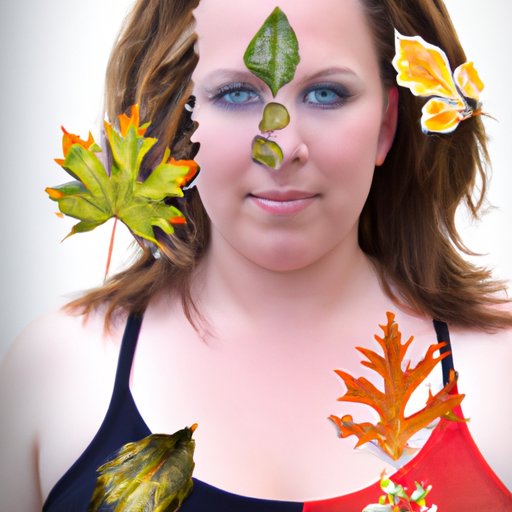
One way to gain a better understanding of your seasonal personality is to create a “seasonal self-portrait.” This is a visual representation of your inner seasons, using colors and symbols to represent each one. Here’s how to create your own:
Gathering Materials
The first step is to gather materials for your portrait. You can use whatever you have available, such as colored pencils, markers, or paint. You may also want to include objects that symbolize each season, such as leaves for autumn or snowflakes for winter.
Creating Your Portrait
Once you have your materials, it’s time to start creating your portrait. Here are some tips for getting started:
- Visualize yourself in each season: Close your eyes and take a few moments to visualize yourself in each season. Notice how you feel and the colors and symbols that come to mind.
- Assign colors and symbols to represent each season: Choose colors and symbols that resonate with you and assign them to each season. For example, you might choose pink for spring, yellow for summer, orange for fall, and blue for winter.
- Draw or paint your portrait: Once you have assigned colors and symbols to each season, start drawing or painting your portrait. Use the colors and symbols to create a visual representation of your inner seasons.
Interpreting the Meaning of Your Portrait
Once your portrait is complete, take some time to reflect on the meaning behind it. What colors and symbols did you choose? What do they represent? What feelings do they evoke? Reflecting on your portrait can help you gain deeper insight into your seasonal identity.
Conclusion
Your seasonal personality can tell you a lot about yourself and your place in the world. By exploring the different seasons through your own experiences, thinking about when you feel most energized and creative, and understanding the symbolic meanings behind each season, you can gain a better understanding of who you are and what makes you unique.
You can also gain insight into your seasonal identity by creating a “seasonal self-portrait.” This is a visual representation of your inner seasons, using colors and symbols to represent each one. By interpreting the meaning behind your portrait, you can gain deeper insight into yourself.
Understanding your seasonal personality is an important part of self-discovery. By exploring the different seasons and crafting a “seasonal self-portrait,” you can gain valuable insight into yourself and your place in the world.
Final Thoughts
Your seasonal personality is an important part of who you are. By exploring the different seasons and understanding the symbolic meanings behind each one, you can gain valuable insight into yourself and your place in the world. And by creating a “seasonal self-portrait,” you can gain even deeper insight into your inner seasons.
(Note: Is this article not meeting your expectations? Do you have knowledge or insights to share? Unlock new opportunities and expand your reach by joining our authors team. Click Registration to join us and share your expertise with our readers.)