
Introduction
Fats are an essential part of a balanced diet, but many people are unsure which type is the healthiest. Saturated and unsaturated fats are two of the most common types of fat found in food, and understanding the difference between them can help you make healthier choices when it comes to your diet. This article will explore the benefits of each type of fat and provide a comprehensive guide on how to make smart dietary choices when it comes to eating fats.

Exploring the Benefits of Saturated and Unsaturated Fats
Before diving into the specifics of each type of fat, let’s first discuss what they are. Saturated fats are solid at room temperature, while unsaturated fats are usually liquid. Both are found naturally in food, but they differ in their chemical structure and nutritional value.
Saturated Fats
Saturated fats are generally found in animal products, such as meat, dairy, and eggs. They are also found in some plant sources, such as coconut and palm oil. Eating too much saturated fat can increase your risk of heart disease, so it’s important to limit your intake. However, there are some potential benefits to consuming saturated fats, such as improved cognitive function and increased energy levels.
Pros
- May improve cognitive function
- May increase energy levels
- Can be found in natural food sources
Cons
- High consumption linked to heart disease
- Can raise bad (LDL) cholesterol levels
Unsaturated Fats
Unsaturated fats are found mostly in plant-based foods, such as nuts, seeds, and some oils. These fats have been linked to a number of health benefits, including reduced inflammation and improved heart health. Unlike saturated fats, unsaturated fats are not associated with an increased risk of heart disease.
Pros
- Reduces inflammation
- Improves heart health
- Can be found in natural food sources
Cons
- Can become rancid (oxidized) if exposed to oxygen, heat, or light
- Can be high in calories
A Comprehensive Guide to Healthy Fats
It’s important to know which fats are healthy and which ones should be avoided. Here is a comprehensive guide to help you make better dietary choices when it comes to consuming fats.
Identifying Healthy Fats
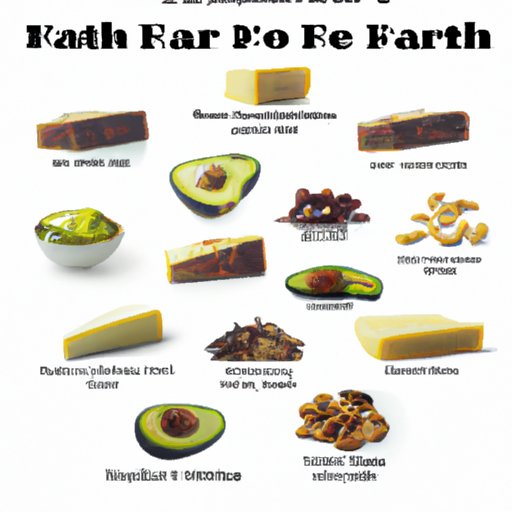
The best way to identify healthy fats is to look for foods that are low in saturated fats and high in unsaturated fats. Foods such as fatty fish, avocados, and nuts are all excellent sources of healthy fats. In addition, look for foods that list “monounsaturated” or “polyunsaturated” fats as the main ingredient.
Replacing Unhealthy Fats with Healthy Ones
If you’re looking to reduce your intake of unhealthy fats, there are a few simple switches you can make. Instead of using butter or margarine, opt for healthier alternatives such as olive oil or avocado oil. You can also replace processed meats with leaner cuts such as poultry or fish. Finally, consider using nut butters in place of processed spreads and jams.
Making Smart Choices when Eating Fats
When it comes to eating fats, moderation is key. While it’s important to include healthy fats in your diet, it’s also important to avoid overdoing it. Aim for no more than 20-35% of your total daily calories coming from fat. Also, be mindful of the type of fat you’re consuming. Look for foods that are low in saturated fats and high in unsaturated fats.
Understanding the Difference Between Saturated and Unsaturated Fats
Now that you know the basics of each type of fat, let’s dive deeper into their differences. There are three major differences between saturated and unsaturated fats: physical characteristics, chemical structure, and nutritional differences.
Physical Characteristics
One of the most obvious differences between saturated and unsaturated fats is their physical characteristics. Saturated fats are solid at room temperature, while unsaturated fats are usually liquid. This is due to the fact that saturated fats have longer chains of carbon atoms, making them more tightly packed and less likely to move around.
Chemical Structure
The chemical structure of saturated and unsaturated fats is another major difference. Saturated fats contain only single bonds between the carbon atoms, while unsaturated fats contain double bonds. This difference in chemical structure affects the way the body processes each type of fat.
Nutritional Differences
Finally, there are also nutritional differences between saturated and unsaturated fats. Saturated fats are higher in calories and cholesterol, while unsaturated fats are lower in both of these. Additionally, unsaturated fats are considered to be “heart-healthy” because they can help reduce bad (LDL) cholesterol levels.

The Pros and Cons of Eating Saturated and Unsaturated Fats
Now that you understand the differences between saturated and unsaturated fats, let’s explore the pros and cons of each. It’s important to note that both types of fat can be beneficial when consumed in moderation.
Pros
Saturated Fats
- May improve cognitive function
- May increase energy levels
- Can be found in natural food sources
Unsaturated Fats
- Reduces inflammation
- Improves heart health
- Can be found in natural food sources
Cons
Saturated Fats
- High consumption linked to heart disease
- Can raise bad (LDL) cholesterol levels
Unsaturated Fats
- Can become rancid (oxidized) if exposed to oxygen, heat, or light
- Can be high in calories
Conclusion
The bottom line is that eating a balance of both saturated and unsaturated fats is the key to a healthy diet. Saturated fats can provide some benefits, such as improved cognitive function and increased energy levels, but they should be consumed in moderation. Unsaturated fats, on the other hand, can help reduce inflammation and improve heart health. When it comes to making smart dietary choices, it’s important to look for foods that are low in saturated fats and high in unsaturated fats.
(Note: Is this article not meeting your expectations? Do you have knowledge or insights to share? Unlock new opportunities and expand your reach by joining our authors team. Click Registration to join us and share your expertise with our readers.)