

Introduction
Beans are an incredibly versatile food that can be used in a variety of dishes. Pinto and black beans are two of the most popular types of beans, but it’s important to understand the differences between them in terms of their nutrition and potential health benefits. This article will explore which type of bean is healthier – pinto or black beans.
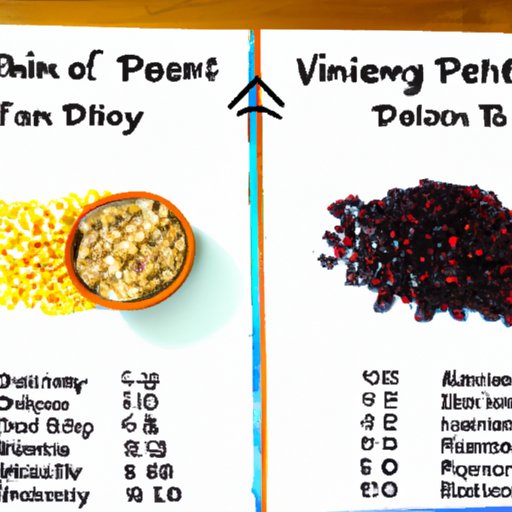
Comparing Nutritional Benefits of Pinto and Black Beans
When it comes to comparing the nutrition of pinto and black beans, there are several key factors to consider. Let’s take a closer look at the carbohydrates, fiber, protein, fat, and vitamins and minerals found in each type of bean.
Carbohydrates
Both pinto and black beans are good sources of carbohydrates. A one-cup serving of cooked pinto beans contains about 45 grams of carbohydrates, while a one-cup serving of cooked black beans contains about 41 grams of carbohydrates.
Fiber
Fiber is an important nutrient for maintaining digestive health and can help reduce cholesterol levels. Pinto beans contain about 15 grams of fiber per one-cup serving, while black beans contain about 17 grams.
Protein
Protein is essential for building and maintaining muscle mass. A one-cup serving of cooked pinto beans contains about 14 grams of protein, while a one-cup serving of cooked black beans contains about 15 grams.
Fat
Both pinto and black beans are low in fat, with a one-cup serving of cooked pinto beans containing about 1 gram of fat and a one-cup serving of cooked black beans containing about 0.5 grams.
Vitamins and Minerals
Both pinto and black beans are good sources of several essential vitamins and minerals. Pinto beans are particularly rich in folate, iron, and magnesium, while black beans are especially high in copper and manganese.
Health Benefits of Pinto and Black Beans
In addition to providing essential nutrients, both pinto and black beans have been linked to a number of potential health benefits. According to a study published in the journal Nutrition Reviews, consuming beans on a regular basis may help lower cholesterol levels, reduce the risk of heart disease, and improve blood sugar control. Furthermore, beans are a great source of plant-based protein, which has been linked to weight loss and improved muscle mass.
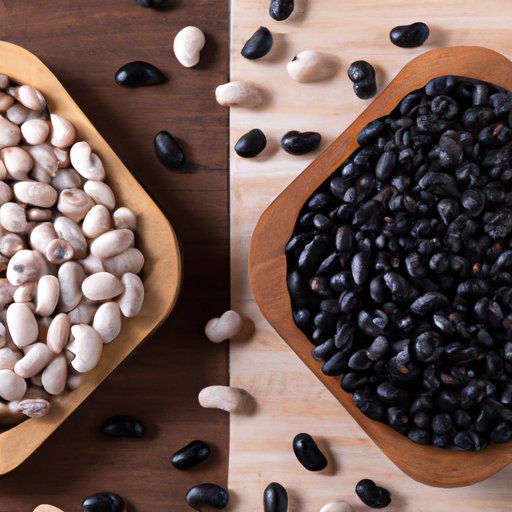
Exploring the Differences between Pinto and Black Beans
Although pinto and black beans have similar nutritional profiles, there are some key differences between them. Let’s take a closer look at the color, texture, taste, and preparation of each type of bean.
Color and Texture
The most obvious difference between pinto and black beans is their color. Pinto beans are light brown in color, while black beans are dark brown or black. Additionally, pinto beans tend to be smaller and softer than black beans, making them easier to break down during cooking.
Taste
Pinto beans have a mild, earthy flavor, while black beans have a slightly nutty taste. Both types of beans are delicious when cooked properly, so it really comes down to personal preference.
Preparation
Pinto and black beans require different cooking times and techniques. Generally speaking, pinto beans should be soaked overnight before cooking, while black beans don’t need to be soaked. Additionally, pinto beans typically take longer to cook than black beans.
The Pros and Cons of Eating Pinto or Black Beans
As with any food, there are both pros and cons to eating pinto or black beans. Let’s take a look at some of the major advantages and disadvantages of each type of bean.
Pros
One of the biggest advantages of eating pinto or black beans is that they are both affordable and readily available. Additionally, beans are packed with essential vitamins and minerals, making them a great source of nutrition. Finally, beans are incredibly versatile and can be used in a variety of dishes.
Cons
One of the main disadvantages of eating beans is that they can cause digestive issues such as bloating and gas. Additionally, some people find beans to be difficult to digest, so it’s important to start by eating small amounts. Finally, beans are high in carbohydrates, which can be problematic for those following a low-carb diet.
How to Incorporate Pinto and Black Beans into Your Diet
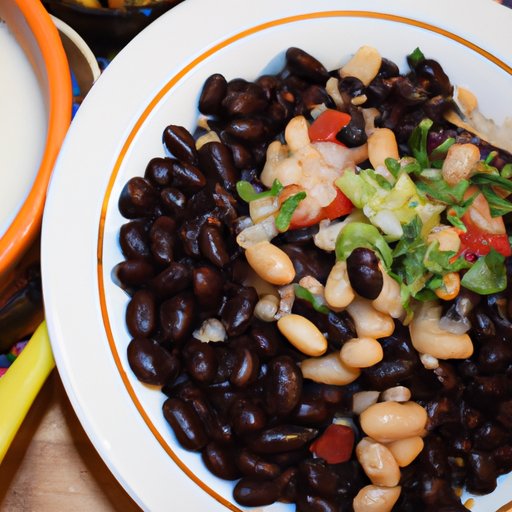
If you’re looking for ways to incorporate pinto and black beans into your diet, there are plenty of options. Beans can be used in salads, soups, stews, burritos, tacos, and even desserts. Additionally, beans can be used as a substitute for meat in many dishes. Here are a few recipes to get you started:
Which Bean is More Beneficial – Pinto or Black?
When it comes to determining which type of bean is more beneficial, it’s important to consider the nutritional differences between pinto and black beans. Pinto beans are slightly higher in carbohydrates and protein, while black beans contain more fiber and certain vitamins and minerals. Ultimately, both types of beans provide essential nutrients and potential health benefits, so it ultimately comes down to personal preference.
Conclusion
In conclusion, pinto and black beans are both nutritious and delicious foods that can be used in a variety of dishes. While pinto beans are slightly higher in carbohydrates and protein, black beans contain more fiber and certain vitamins and minerals. Ultimately, both types of beans provide essential nutrients and potential health benefits, so it’s up to you to decide which one is right for you.
(Note: Is this article not meeting your expectations? Do you have knowledge or insights to share? Unlock new opportunities and expand your reach by joining our authors team. Click Registration to join us and share your expertise with our readers.)