
Introduction
For many content creators, finding the right music for their YouTube videos is one of the most important and challenging tasks. Music has the power to set the tone and mood of a video, so it is essential to choose the right song or score that fits with the theme of the video. But where do you start?
In this article, we explore eight different ways to get music for your YouTube videos. From purchasing a license from stock music sites to hiring a composer to make custom music, we discuss the various options available and provide pros and cons for each. Read on to learn more about finding the perfect music for your YouTube videos.
Purchase a License from Stock Music Sites
Stock music sites are websites that offer pre-made music tracks for purchase. These sites are a great option for content creators who want to use professional-quality music for their videos but don’t have the time or resources to create their own music.
When purchasing a license from a stock music site, content creators usually pay a one-time fee to use the track in their video. Depending on the site, the cost can range from a few dollars to a few hundred dollars. Some sites also offer subscription services, which allow content creators to access unlimited music for a monthly or annual fee.
Pros: Purchasing a license from a stock music site is an easy and cost-effective way to get professional-quality music for your YouTube videos. Additionally, stock music sites usually have a wide selection of tracks to choose from, making it easy to find the perfect song or score for your video.
Cons: The downside to purchasing a license from a stock music site is that the same songs may be used by multiple content creators. This means that your video might not stand out from the crowd if someone else has already used the same track.
Use Royalty-Free Music Libraries
Royalty-free music libraries are another great option for content creators who want to use professional-quality music in their videos. Unlike stock music sites, royalty-free music libraries offer music that is licensed under a “royalty-free” agreement. This means that content creators can use the music in their videos without having to pay any additional fees or royalties.
Pros: One of the biggest advantages of using royalty-free music libraries is that content creators can use the music in their videos without having to worry about paying any additional fees or royalties. Additionally, these libraries often have a wide selection of tracks to choose from, making it easy to find the perfect song or score for your video.
Cons: The downside to using royalty-free music libraries is that the same songs may be used by multiple content creators. This means that your video might not stand out from the crowd if someone else has already used the same track.
Create Your Own Original Music
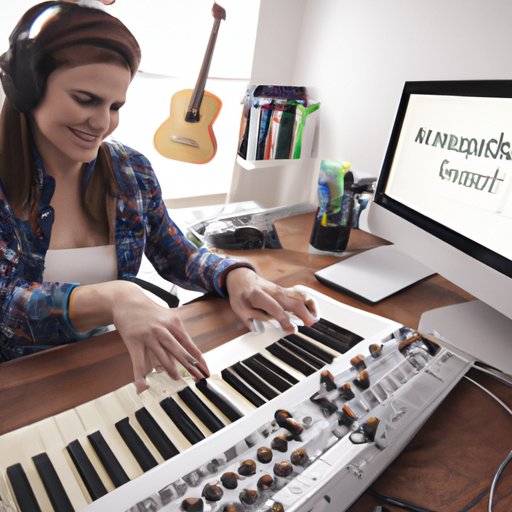
Creating your own original music is another great option for content creators who want to add a unique touch to their videos. Whether you’re a musician or not, creating your own music can be a fun and rewarding experience. You can use a variety of tools, such as digital audio workstations (DAWs), to create your own music.
Pros: Creating your own original music gives you complete control over the sound and feel of your video. Additionally, you can use the same track in multiple videos, giving you the ability to create a consistent brand for all of your content.
Cons: The downside to creating your own music is that it takes time and effort. Additionally, you need to have some knowledge of music production in order to create professional-sounding tracks.
Investigate Creative Commons Licenses
Creative Commons licenses are agreements between content creators and copyright holders that allow content creators to use copyrighted material in their videos. Creative Commons licenses come in a variety of forms, ranging from “Attribution” licenses, which require content creators to give credit to the copyright holder, to “Non-Commercial” licenses, which prohibit content creators from using the material for commercial purposes.
Pros: Creative Commons licenses are a great option for content creators who want to use copyrighted material in their videos without having to pay any additional fees or royalties. Additionally, Creative Commons licenses are often free, meaning that content creators can use the material without having to worry about breaking the law.
Cons: The downside to Creative Commons licenses is that they can be complicated to understand and follow. Additionally, content creators may not be able to use the material in certain situations, such as for commercial purposes.
Ask Permission to Use Commercial Music
Content creators who want to use commercial music in their videos can ask permission from the copyright holder. However, this process can be complicated and time-consuming. Additionally, the copyright holder may require content creators to pay a fee or enter into a licensing agreement in order to use the music.
Pros: Asking permission to use commercial music is a great option for content creators who want to use popular music in their videos. Additionally, asking permission allows content creators to build relationships with copyright holders, which can be beneficial in the long run.
Cons: The downside to asking permission to use commercial music is that it can be a lengthy and complicated process. Additionally, content creators may have to pay a fee or enter into a licensing agreement in order to use the music.
Utilize Free Music Resources Online
There are a variety of free music resources available online, such as SoundCloud and Jamendo. These sites offer free music that content creators can use in their videos. However, it’s important to note that some of these sites may require content creators to give credit to the artist or copyright holder.
Pros: Utilizing free music resources online is a great option for content creators who want to use music in their videos without having to pay any additional fees or royalties. Additionally, these sites often have a wide selection of tracks to choose from, making it easy to find the perfect song or score for your video.
Cons: The downside to utilizing free music resources online is that the same songs may be used by multiple content creators. This means that your video might not stand out from the crowd if someone else has already used the same track.
Hire a Composer to Make Custom Music
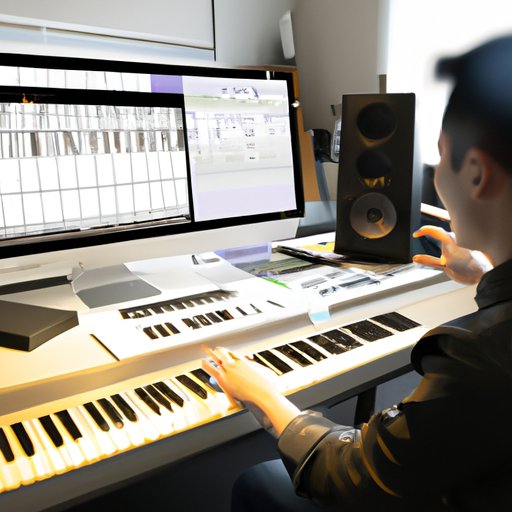
Hiring a composer to make custom music for your video is another great option for content creators who want to add a unique touch to their videos. Working with a composer allows content creators to create music that is tailored to the theme and tone of their videos.
Pros: Hiring a composer to make custom music is a great option for content creators who want to create something truly unique for their videos. Additionally, working with a composer allows content creators to have complete control over the sound and feel of their music.
Cons: The downside to hiring a composer to make custom music is that it can be expensive. Additionally, content creators may have to wait longer for the music to be completed.
Conclusion
Finding the right music for your YouTube videos can be a daunting task. There are a variety of options available, from purchasing a license from stock music sites to hiring a composer to make custom music. Each option has its own pros and cons, so it’s important to consider your budget, timeline, and goals before making a decision.
In conclusion, there is no one-size-fits-all solution when it comes to finding the perfect music for your YouTube videos. However, by exploring the various options available, content creators can find the right music for their videos and create something truly unique.
(Note: Is this article not meeting your expectations? Do you have knowledge or insights to share? Unlock new opportunities and expand your reach by joining our authors team. Click Registration to join us and share your expertise with our readers.)