

Introduction
Pregnancy is a time of joy and excitement, but it can also bring on physical fatigue and discomfort. For expectant mothers who need to travel for work or pleasure, this can make the prospect of a long car ride daunting. It’s important to understand the risks associated with driving while pregnant and to know when to stop traveling by car.

Identifying Signs of Fatigue and Discomfort in Pregnant Drivers
Expectant mothers may experience a variety of symptoms that indicate they should take a break from driving. According to the American Pregnancy Association, common signs of fatigue and discomfort include dizziness, nausea, backache, leg cramps, blurred vision, and shortness of breath. If any of these symptoms occur, it’s best to pull over and rest until they subside.

Safety Tips for Traveling by Car While Pregnant
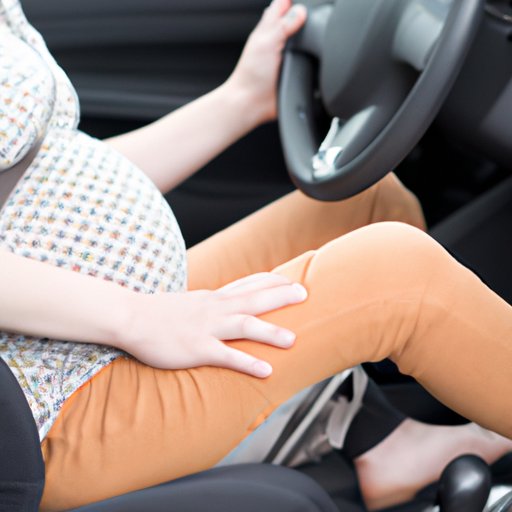
There are several measures that pregnant women can take to reduce the risk of injury while driving. The National Highway Traffic Safety Administration (NHTSA) recommends a pre-trip checklist that includes checking tire pressure, fluid levels, and seatbelt functionality. Seatbelts should be worn correctly and adjusted so that the lap belt rests across the hips and the shoulder belt rests between the breasts. Sitting in a supportive chair with adequate lumbar support is also advised. Additionally, pregnant drivers should plan for frequent rest stops to stretch their legs and take a break from sitting.
Pros and Cons of Driving During Pregnancy
Driving during pregnancy can have both benefits and drawbacks. On one hand, it allows expectant mothers to remain independent and maintain control over their schedule. Being able to drive to appointments, errands, and other destinations can be empowering. On the other hand, driving while pregnant can be physically taxing and increase the risk of injury in the event of an accident. Therefore, it’s important to weigh the pros and cons before deciding whether or not to get behind the wheel.
Alternatives to Driving When Pregnant
If driving during pregnancy is not recommended for medical reasons, there are other options for getting around. Public transportation is often available in larger cities, and carpooling with a trusted friend or family member may be an option. For those who want the convenience of having their own vehicle, hiring a driver is also an option. This can provide peace of mind and allow expectant mothers to focus on their comfort and safety.
The Impact of Long Distance Driving on the Unborn Baby
It’s important to keep in mind that prolonged sitting can have negative effects on the unborn baby. According to a study published in the Journal of Perinatology, long distance car rides can lead to decreased fetal movement and reduced oxygen supply. In addition, prolonged sitting can lead to increased risk of gestational diabetes, preeclampsia, and preterm labor. Therefore, it’s essential to pay attention to any signs of fatigue or discomfort and to take frequent breaks during long car trips.
Conclusion
Traveling by car while pregnant can be a challenge, but it doesn’t have to be. By understanding the signs of fatigue and discomfort, following safety protocols, and considering alternative options, expectant mothers can find ways to get around safely and comfortably. Ultimately, it’s important to listen to your body and take breaks as needed to ensure the health and wellbeing of both mother and baby.
(Note: Is this article not meeting your expectations? Do you have knowledge or insights to share? Unlock new opportunities and expand your reach by joining our authors team. Click Registration to join us and share your expertise with our readers.)