
Introduction
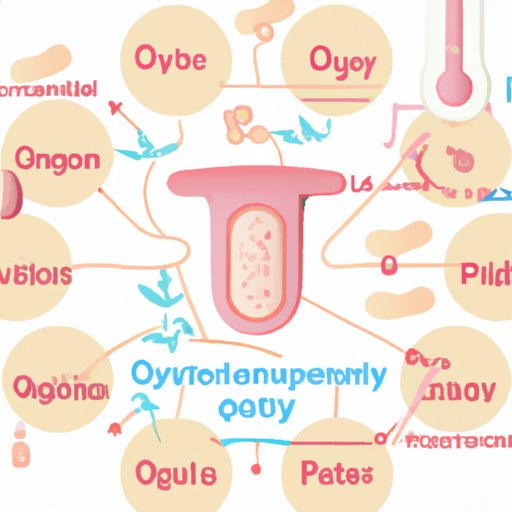
Ovulation is the process in which a mature egg is released from an ovary, moves down the fallopian tube, and is made available for fertilization. Knowing when you are ovulating can be beneficial for both couples trying to conceive and those hoping to avoid an unwanted pregnancy. In this article, we will explore the different ways to calculate when you are ovulating and the benefits of knowing when you are ovulating.
How to Calculate When You Are Ovulating
Understanding your menstrual cycle is the first step in calculating when you are ovulating. Your menstrual cycle is the number of days between the start of one period and the start of the next period. The length of your menstrual cycle can vary from woman to woman, but it usually ranges from 21 to 35 days.
Once you know the length of your cycle, you can calculate the fertile window, or the time when you are most likely to become pregnant. The fertile window typically begins five days before ovulation and ends on the day of ovulation. This means that if your cycle is 28 days long, you would ovulate on day 14 and your fertile window would begin on day 9.

What to Look for During Your Fertile Window
During your fertile window, there are certain signs that can help you determine when you are ovulating. These signs include changes in your basal body temperature, cervical mucus, and breast tenderness.
Your basal body temperature (BBT) is the lowest temperature your body reaches during rest. Before ovulation, your BBT is usually lower than 97 degrees Fahrenheit. After ovulation, your BBT increases by 0.4 to 1.0 degree Fahrenheit and stays elevated until your next period.
Cervical mucus also changes throughout your menstrual cycle. Before ovulation, your cervical mucus is thick, sticky, and white or yellowish in color. As you approach ovulation, your cervical mucus becomes thin, clear, and stretchy like raw egg whites.
Finally, some women may experience breast tenderness during their fertile window. This is due to the hormonal changes that occur during ovulation.
Understanding the Different Phases of Your Menstrual Cycle
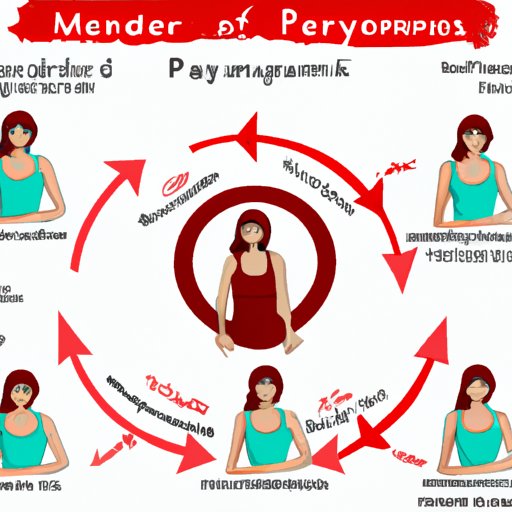
Your menstrual cycle is divided into three distinct phases: the follicular phase, the ovulatory phase, and the luteal phase. The follicular phase begins on the first day of your period and lasts until ovulation. During this phase, your body produces estrogen, which helps your eggs develop and prepares your uterus for pregnancy.
The ovulatory phase occurs around the middle of your cycle and is when you ovulate. At this time, your body releases a surge of luteinizing hormone (LH), which triggers the release of the egg from your ovary.
The luteal phase begins after ovulation and lasts until the start of your next period. During this phase, your body produces progesterone, which helps prepare your uterus for implantation. If you do not become pregnant, your progesterone levels will drop and your period will start.
The Benefits of Knowing When You’re Ovulating
Knowing when you are ovulating can be beneficial for both couples trying to conceive and those hoping to avoid an unwanted pregnancy. For couples trying to conceive, knowing when you are ovulating can increase your chances of conceiving since it gives you a better idea of when intercourse should take place. For those hoping to avoid pregnancy, knowing when you are ovulating can help you plan accordingly and use contraception appropriately.
In addition to helping with conception and contraception, understanding your menstrual cycle can also help you improve your overall health. Monitoring your menstrual cycle can help you identify any irregularities, such as missed periods or irregular bleeding. This can be useful for detecting underlying health issues, such as thyroid disorders or polycystic ovarian syndrome (PCOS).
Foods That Can Help Increase Fertility
Eating certain foods can also help you increase your fertility. Leafy greens, such as spinach and kale, are rich in folate, which is important for cell division and can help improve egg quality. Whole grains, such as quinoa, are high in B vitamins, which can help regulate hormones and increase fertility. Nuts and seeds, such as almonds and flaxseeds, are high in healthy fats and can help regulate hormones and improve egg quality. Finally, legumes, such as lentils and beans, are high in fiber and protein and can help regulate hormones and improve fertility.
Tips for Tracking Ovulation
Tracking your ovulation can be done in several ways. One way is to chart your cycle using a calendar or diary. This involves marking the first day of each period, noting any changes in cervical mucus, and recording your BBT every morning. Another way to track your ovulation is to take ovulation tests. These tests measure the amount of LH in your urine and can predict when you’re about to ovulate.
Finally, you can use an app to track your ovulation. There are many apps available that allow you to track your cycle, record your BBT, and receive notifications when you’re likely to ovulate. Most of these apps also provide information about fertility and conception.
Conclusion
In conclusion, understanding when you are ovulating can be beneficial for both couples trying to conceive and those hoping to avoid an unwanted pregnancy. Knowing when you are ovulating can help you increase your chances of conception and avoid an unwanted pregnancy. Eating certain foods, such as leafy greens and whole grains, can also help you increase your fertility. Finally, tracking your ovulation can be done in several ways, such as charting your cycle, taking ovulation tests, and using an app.
(Note: Is this article not meeting your expectations? Do you have knowledge or insights to share? Unlock new opportunities and expand your reach by joining our authors team. Click Registration to join us and share your expertise with our readers.)