
Introduction
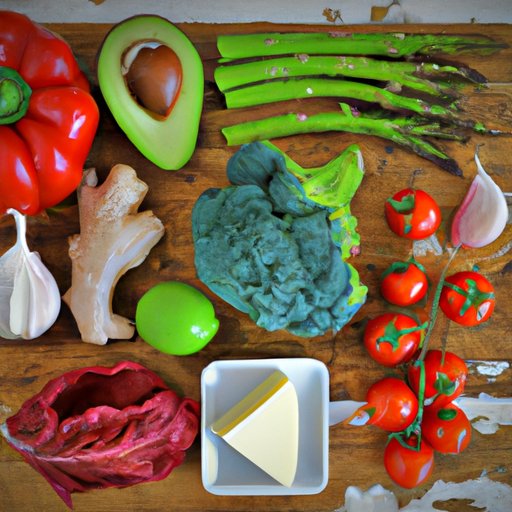
The ketogenic diet has become increasingly popular in recent years as a way to lose weight and improve overall health. The diet is based on high fat, moderate protein, and very low carb intake. As such, it can be hard to know which foods are allowed on the keto diet and which are not. In particular, many people have questions about which vegetables they can eat on the keto diet.
Overview of the Keto Diet
The keto diet is a low-carb, high-fat diet that is designed to put the body into a state of ketosis. Ketosis is a metabolic state in which the body burns fat for energy instead of carbohydrates. To achieve this state, the diet requires a dramatic reduction in carbohydrate intake, typically to less than 50 grams per day. This means that many high-carb foods, such as bread, pasta, rice, potatoes, fruits, and sugary snacks, are off-limits on the keto diet.
To make up for the lack of carbs, the keto diet emphasizes high fat intake. This includes healthy fats such as olive oil, coconut oil, avocados, nuts, and seeds. It also recommends moderate amounts of protein, usually around 20% of total calories. Protein should come from sources such as eggs, poultry, fish, and red meat.
Benefits of Eating Vegetables on the Keto Diet
Vegetables are an important part of any healthy diet. They are packed with vitamins, minerals, and fiber, and they have been linked to numerous health benefits, including improved heart health and reduced risk of certain diseases. On the keto diet, vegetables are especially important because they provide essential nutrients without adding too many carbs.
In addition to providing essential vitamins and minerals, vegetables are also a great source of dietary fiber. Fiber helps keep you feeling full and can help reduce cravings for unhealthy foods. It can also help regulate blood sugar levels and improve digestion. All of these benefits can help make the keto diet easier to stick to.
A Comprehensive Guide to Eating Vegetables on the Keto Diet
When it comes to eating vegetables on the keto diet, there are a few things to keep in mind. Not all vegetables are created equal when it comes to carb content, so it’s important to choose wisely. Here’s a comprehensive guide to eating vegetables on the keto diet.
What are Keto-Friendly Vegetables?
The best vegetables to eat on the keto diet are those that are low in carbs but still high in essential vitamins and minerals. Examples include leafy greens, cruciferous vegetables, and non-starchy vegetables. Leafy greens are a great source of vitamins A, C, and K, and they’re very low in carbs. Cruciferous vegetables, such as cauliflower and broccoli, are also low in carbs and high in fiber. Non-starchy vegetables, such as tomatoes, zucchini, and mushrooms, are also good choices.
How to Include Them in Your Keto Diet
The key to including vegetables in your keto diet is to focus on low-carb options. Aim to get at least 5 servings of vegetables per day. One serving is roughly one cup of raw vegetables or half a cup of cooked vegetables. Try to incorporate a variety of vegetables into your meals to ensure you’re getting a wide range of vitamins and minerals.
In addition to eating vegetables as part of your meals, you can also add them to smoothies, use them as toppings for salads, or make vegetable-based dishes such as soups, stews, and stir-fries. There are endless possibilities for incorporating vegetables into your diet.
Top 10 Vegetables to Eat on the Keto Diet
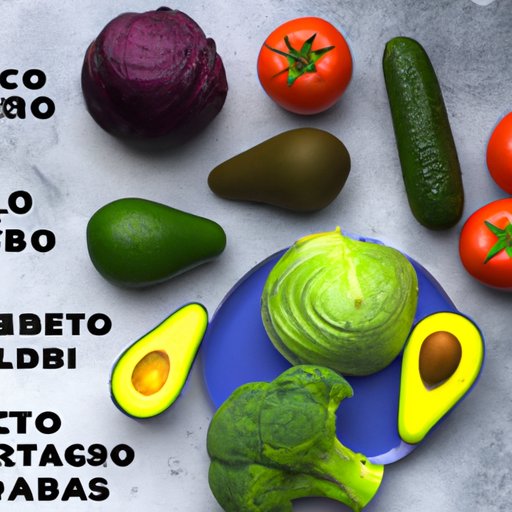
Here’s a list of the top 10 vegetables to eat on the keto diet:
Leafy Greens (Kale, Spinach, etc)
Leafy greens are some of the most nutrient-dense vegetables on the planet. They are low in carbs and high in vitamins, minerals, and fiber. Examples include kale, spinach, collard greens, and Swiss chard.
Cruciferous Vegetables (Cauliflower, Broccoli, etc)
Cruciferous vegetables are another great option for the keto diet. They are low in carbs and high in fiber, vitamins, and minerals. Examples include cauliflower, broccoli, Brussels sprouts, and cabbage.
Non-Starchy Vegetables (Tomatoes, Zucchini, Mushrooms, etc)
Non-starchy vegetables are also good choices for the keto diet. They are low in carbs and high in fiber, vitamins, and minerals. Examples include tomatoes, zucchini, mushrooms, bell peppers, eggplant, and asparagus.
The Benefits of Eating Low-Carb Vegetables on a Keto Diet
Eating low-carb vegetables on the keto diet has numerous health benefits. Here are a few of the top benefits:
Improved Blood Sugar Levels
One of the main benefits of the keto diet is improved blood sugar control. Studies show that following a low-carb diet can significantly reduce blood sugar levels and improve insulin sensitivity. Eating low-carb vegetables can help promote this effect.
Weight Loss
Another major benefit of the keto diet is weight loss. Studies show that following a low-carb diet can lead to more rapid and sustainable weight loss than other diets. Eating low-carb vegetables can help support this effect by keeping you full and helping to reduce cravings for unhealthy foods.
Increased Energy Levels
Eating low-carb vegetables on the keto diet can also increase energy levels. When your body is in ketosis, it burns fat for energy instead of carbohydrates. This can lead to increased energy levels and improved mental clarity.

Creative Recipes for Eating Vegetables on the Keto Diet
Eating vegetables on the keto diet doesn’t have to be boring. There are plenty of creative and delicious recipes you can make with low-carb veggies. Here are a few ideas:
Keto Eggplant Parmesan
This classic Italian dish is a great way to enjoy eggplant on the keto diet. All you need is eggplant, tomato sauce, mozzarella cheese, parmesan cheese, garlic, and olive oil. Simply slice the eggplant, coat it in the cheese and sauce mixture, and bake until golden brown.
Keto Zucchini Fries
Zucchini fries are a great way to enjoy this low-carb veggie on the keto diet. All you need is zucchini, almond flour, parmesan cheese, garlic powder, and olive oil. Simply cut the zucchini into fries, coat them in the flour mixture, and bake until golden brown.
Keto Cauliflower Pizza Crust
Cauliflower pizza crust is a great way to enjoy pizza on the keto diet. All you need is cauliflower, cheese, egg, and seasonings. Simply pulse the cauliflower in a food processor, mix in the remaining ingredients, and press the mixture into a pizza pan. Bake until golden brown and top with your favorite keto-friendly toppings.
Conclusion
Eating vegetables on the keto diet is an essential part of achieving and maintaining ketosis. Low-carb vegetables provide essential vitamins, minerals, and fiber without adding too many carbs. They can also help keep you feeling full and reduce cravings for unhealthy foods. The top 10 vegetables to eat on the keto diet are leafy greens, cruciferous vegetables, and non-starchy vegetables. There are also plenty of creative and delicious recipes you can make with these low-carb veggies.
To get the most out of your keto vegetable meals, try to incorporate a variety of vegetables into your diet and focus on low-carb options. Eating a wide variety of vegetables will ensure you’re getting all the vitamins and minerals your body needs, while focusing on low-carb options will help you stay in ketosis. With a little creativity, you can make delicious and nutritious keto vegetable meals that will help you reach your health and fitness goals.
(Note: Is this article not meeting your expectations? Do you have knowledge or insights to share? Unlock new opportunities and expand your reach by joining our authors team. Click Registration to join us and share your expertise with our readers.)