
Introduction
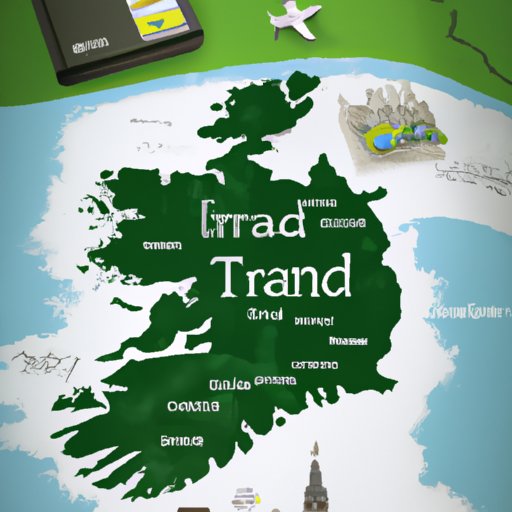
Ireland is an island nation located in the North Atlantic Ocean and is a part of the British Isles. It’s known for its lush green hills, beautiful coastal towns, and friendly people. Whether you’re looking to explore the country’s history or simply enjoy the stunning scenery, Ireland is a great destination for any traveler. Before you go, make sure you’re prepared by learning about the climate, culture, and more.

Research the Climate and Weather
The climate in Ireland is mild year-round with temperatures rarely dropping below freezing. The average temperature in summer months (June to August) is around 18°C (64°F). In winter months (December to February), the average temperature is 4°C (39°F). Rainfall is fairly consistent throughout the year, so be sure to pack an umbrella no matter when you’re traveling.
When packing for your trip, consider bringing layers. Even in the summer months, it can get chilly at night, so a light jacket or sweater is recommended. During the winter months, you’ll want to bring heavier coats, hats, gloves, and scarves.

Learn About Irish Culture and Customs
The Irish are known for their hospitality, so you’ll likely get a warm welcome wherever you go. Greeting etiquette often includes a handshake, but you may also receive a hug or a kiss on the cheek. When meeting someone for the first time, it’s polite to introduce yourself and say “pleased to meet you.”
Respectful behavior is expected in all social situations. Avoid talking too loudly, using profane language, or touching someone without permission. Remember that some topics, such as religion and politics, can be sensitive, so it’s best to avoid them.
Try traditional Irish dishes such as colcannon (mashed potatoes with cabbage or kale), boxty (potato pancakes), and coddle (a stew made of bacon, sausage, and potatoes). But don’t forget to sample some of the local craft beers, cheeses, and chocolates!
Familiarize Yourself with Local Currency
The official currency in Ireland is the euro. Exchange rates vary from day to day, so check online before you go. Credit cards are widely accepted, but it’s always good to have some cash on hand just in case. ATMs are available in most major cities and tourist areas.
Consider Travel Insurance
Travel insurance can provide peace of mind while you’re away. Policies vary, but they typically cover medical expenses, flight cancellations, lost or stolen items, and other unexpected costs. There are different types of coverage to choose from, so make sure you pick the one that’s right for you.
Travel insurance usually costs between 5% and 10% of the total cost of your trip. Consider purchasing a policy as soon as you book your flights and accommodation to ensure you’re covered in case of an emergency.

Plan Your Itinerary in Advance
The best way to make the most of your trip is to plan your itinerary in advance. Consider what type of transportation you’ll use to get around – car rental, bus, train, or ferry. Research the sites you want to see and decide how much time you want to spend at each one. Schedule activities such as pub crawls, walking tours, and outdoor adventures.
Understand the Cost of Accommodations
Accommodation costs in Ireland depend on the type of room you’re looking for and the location. Budget travelers can find hostels and bed and breakfasts for around €20–30 per night. Mid-range hotels range from €50–100 per night. Luxury hotels can cost upwards of €200 per night.
Be sure to factor in the cost of food, drinks, and other expenses when budgeting for your stay. Many hotels offer discounts for extended stays, so keep that in mind when planning your trip.
Conclusion
Ireland is a wonderful destination for any traveler. By doing your research before you go, you can ensure you’re prepared for your trip. Make sure to check the climate and weather, learn about the culture and customs, familiarize yourself with the currency, consider purchasing travel insurance, plan your itinerary in advance, and understand the cost of accommodations.
From its stunning landscapes to its friendly locals, Ireland is sure to provide an unforgettable experience.
(Note: Is this article not meeting your expectations? Do you have knowledge or insights to share? Unlock new opportunities and expand your reach by joining our authors team. Click Registration to join us and share your expertise with our readers.)