
Introduction
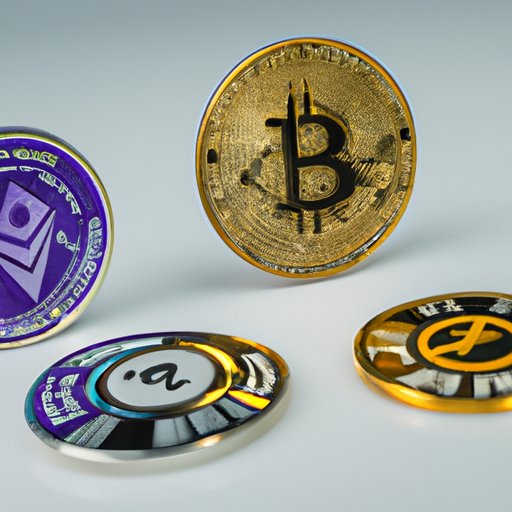
Bitcoin is a digital currency created in 2009 that has revolutionized the way we think about money. It is the first successful example of a cryptocurrency, which is a form of digital currency that relies on cryptography for security. Bitcoin is decentralized, meaning it is not controlled by any government or central bank. This makes it attractive to those looking for an alternative to traditional currencies, such as gold or fiat money.
Overview of Bitcoin: History, Uses and Benefits
The history of Bitcoin dates back to 2008 when an anonymous person or group of people known as Satoshi Nakamoto published a white paper detailing the concept of a peer-to-peer electronic cash system. The idea was to create a decentralized currency that could be sent directly from one person to another without the need for a third party, such as a bank or financial institution. Since then, the use of Bitcoin has grown exponentially and is now accepted by many online merchants and businesses around the world.
Bitcoin can be used for a variety of purposes, such as buying goods and services, trading, investing, and more. It is also becoming increasingly popular as a means of transferring funds internationally, as it is faster and more cost-effective than traditional methods. Additionally, Bitcoin offers users a high level of security and privacy, as transactions are irreversible and there is no need to provide personal information.
Understanding the Technology Behind Bitcoin
The technology behind Bitcoin is known as the blockchain. It is a public ledger that records all Bitcoin transactions and is stored on a distributed network of computers. The blockchain is secured by cryptography and is constantly being verified and updated by its users. This makes it virtually impossible to tamper with or counterfeit Bitcoin.

How to Buy and Store Bitcoins
There are several ways to purchase Bitcoin, such as through online exchanges, peer-to-peer platforms, or through specialized ATMs. Once you have purchased Bitcoin, you will need to store it in a secure wallet. Different types of wallets are available, such as desktop, mobile, or hardware wallets. Each type of wallet has its own advantages and disadvantages, so it is important to consider your needs before deciding which one is best for you.
Security Considerations
When storing Bitcoin, it is important to take extra precautions to ensure the security of your funds. This includes using strong passwords, enabling two-factor authentication, keeping your private keys safe, and regularly backing up your wallet. It is also important to be aware of potential scams and fraudulent activities, such as Ponzi schemes, phishing attacks, and fake websites.
Exploring Bitcoin Mining
Bitcoin mining is the process of verifying and recording Bitcoin transactions on the blockchain. Miners compete against each other to solve complex mathematical problems in order to add new blocks to the blockchain. In return, they are rewarded with newly created bitcoins and transaction fees. In order to mine Bitcoin, you will need to have access to specialized hardware and software.
Mining has its advantages and disadvantages. On one hand, it is a great way to earn additional income, but it also requires significant upfront costs and ongoing maintenance. Additionally, mining is becoming increasingly competitive, as the difficulty of solving the mathematical problems increases over time.
What are the Risks Involved with Investing in Bitcoin?
Investing in Bitcoin carries certain risks. One of the biggest risks is the volatility of the price, which can fluctuate greatly in a short period of time. Additionally, Bitcoin is not regulated by any government or financial institution, which can make it difficult to protect your investments if something goes wrong. Finally, there is always the potential for fraud, as there is no central authority overseeing the market.

Regulations and Legality of Bitcoin
The legality of Bitcoin varies from country to country. In some countries, such as the United States, it is legal to purchase, sell, and use Bitcoin. However, other countries have taken a more restrictive approach and have banned the use of Bitcoin altogether. Additionally, different countries have different tax implications for Bitcoin, so it is important to be aware of the laws in your jurisdiction.
Cryptocurrency Alternatives to Bitcoin
In addition to Bitcoin, there are several other popular cryptocurrencies available. These include Ethereum, Litecoin, Ripple, and Monero. Each of these cryptocurrencies has its own advantages and disadvantages, so it is important to do your research before investing in any of them.
Conclusion
Bitcoin is a revolutionary form of digital currency that has the potential to revolutionize the way we think about money. It offers a number of unique benefits, such as being fast, secure, and decentralized. It is important to understand the technology behind Bitcoin, as well as the risks associated with investing in it. Additionally, it is important to be aware of the regulations and legalities surrounding Bitcoin in your jurisdiction. Lastly, there are several alternative cryptocurrencies available, such as Ethereum, Litecoin, Ripple, and Monero.
(Note: Is this article not meeting your expectations? Do you have knowledge or insights to share? Unlock new opportunities and expand your reach by joining our authors team. Click Registration to join us and share your expertise with our readers.)