
Introduction
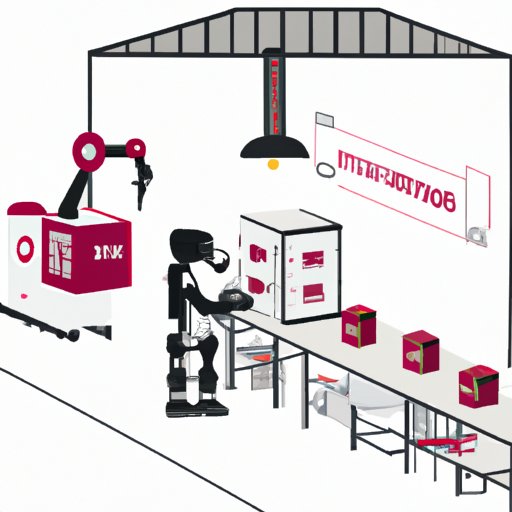
Automation is a term used to describe the process of using technology to automate manual tasks. It involves the use of machines, software, or other automated systems to carry out tasks that would otherwise have to be completed manually. Automation has become increasingly popular over the past few decades as it has enabled businesses to reduce costs and increase efficiency. In today’s world, automation is essential for any business that wants to stay competitive.
Definition of Automation
Automation is defined as the use of control systems and information technologies to reduce the need for human intervention in industrial production processes. Automation is used to improve productivity, efficiency, quality, and safety in all areas of industry. Automation also helps to reduce labor costs, increase profits, and improve customer service.
Benefits of Automation
The primary benefit of automation is that it reduces the amount of labor required to complete a task. Automation can eliminate tedious, repetitive tasks and free up workers to focus on more productive tasks. Automation can also improve accuracy and consistency in tasks, leading to fewer errors and improved customer satisfaction. Additionally, automation can help businesses save time and money by eliminating manual processes and streamlining workflows.

Automation for Small Businesses: What Processes to Streamline
Small businesses are often limited in resources and personnel, so automation can provide a great way to maximize efficiency and minimize costs. Automation can help small businesses streamline their processes and gain a competitive edge in the marketplace. To identify which processes should be automated, small businesses should first analyze their existing operations and identify which tasks could be replaced with automated solutions. After identifying the potential targets for automation, they should then conduct a cost-benefit analysis to determine if the investment in automation is worth the savings in labor and time.
Implementing Automation Strategies
Once a small business has identified which processes should be automated, they must then decide how to implement their automation strategies. There are many different types of automation solutions available, such as robotic process automation (RPA), machine learning, artificial intelligence (AI), and Internet of Things (IoT) solutions. Each type of solution has its own advantages and disadvantages, so businesses should carefully consider their options before investing in an automation solution.
Automating Your Home and Office: How to Make Life Easier
Home and office automation can make life easier by automating essential and non-essential tasks. Essential tasks such as turning on lights, locking doors, and controlling heating and cooling systems can be automated using smart home devices. Non-essential tasks such as setting alarms, playing music, and controlling appliances can also be automated using voice assistants or specialized apps. Automating security systems is another way to make life easier by ensuring that your home or office is secure at all times.
Automation in the Workplace: Increasing Efficiency & Productivity
In the workplace, automation can help increase efficiency and productivity by automating data processing, communication, and repetitive tasks. Automating data processing can help streamline workflow and reduce errors by minimizing manual input. Automating communication can help employees stay connected and collaborate more easily. Automating repetitive tasks can help reduce the amount of time spent on mundane tasks and free up employees to focus on more productive tasks.

Automation Technologies: A Guide to Emerging Trends
The field of automation is constantly evolving, with new technologies emerging every day. Artificial intelligence (AI) and machine learning are two of the most prominent technologies driving the automation revolution, enabling machines to learn from data and take decisions autonomously. Robotics and automation are being used to automate physical processes, while the Internet of Things (IoT) is connecting devices and collecting data to enable smarter decision making. Finally, cloud computing is providing the infrastructure necessary to store and process large amounts of data.
Automation Solutions for Retailers: Increasing Profits
Retailers are turning to automation solutions to increase profits and improve customer service. Automating inventory management can help retailers keep track of stock levels and reduce losses due to theft or spoilage. Automating order fulfillment can speed up delivery times and reduce costs. Finally, automating customer service can help retailers respond to customer inquiries quickly and efficiently.
Automation in Healthcare: Improving Patient Care
Automation can help healthcare organizations improve patient care by automating diagnostics, records management, and treatment options. Automated diagnostics can help healthcare professionals quickly diagnose illnesses and recommend treatments. Automating records management can help healthcare organizations store and access patient records securely and quickly. Automating treatment options can help healthcare professionals provide personalized care to patients and reduce the number of unnecessary treatments.

Automation in Manufacturing: Reducing Costs and Enhancing Quality
Automation is becoming increasingly important in manufacturing, as it can help reduce costs and enhance product quality. Automating production lines can help manufacturers streamline workflows and reduce labor costs. Automating quality control can help manufacturers ensure that products meet quality standards. Automating maintenance can help manufacturers reduce downtime and extend the lifespan of equipment.
Conclusion
Automation is a powerful tool that can help businesses streamline processes, reduce costs, and improve efficiency. Automation can be used in small businesses, homes, offices, workplaces, retailers, healthcare organizations, and manufacturing companies. Automation technologies such as AI, machine learning, robotics, IoT, and cloud computing are driving the automation revolution, and these technologies are paving the way for more efficient and cost-effective solutions. Automation is here to stay, and businesses should consider taking advantage of automation solutions to stay competitive in today’s market.
Summary
This article explored what to automate and the benefits of automation. We discussed how small businesses can identify potential targets for automation and conduct a cost-benefit analysis before implementing automation strategies. We also looked at how automation can be used in homes and offices to make life easier, and how automation in the workplace can increase efficiency and productivity. Finally, we discussed the various automation technologies available and how they can be used in retail, healthcare, and manufacturing environments to reduce costs and enhance quality.
Final Thoughts
Automation is an invaluable tool that can help businesses reduce costs, increase efficiency, and improve customer satisfaction. As automation technologies continue to evolve, businesses should consider taking advantage of them to stay competitive in today’s market. With the right strategy, automation can help businesses streamline processes, increase profits, and provide better services.
(Note: Is this article not meeting your expectations? Do you have knowledge or insights to share? Unlock new opportunities and expand your reach by joining our authors team. Click Registration to join us and share your expertise with our readers.)