
Introduction
A “trip” is defined as a journey from one place to another, usually for a specific purpose or goal. Whether it’s a business trip, family holiday, or a weekend getaway, it’s important to check certain things before embarking on a trip. Doing so can help make the journey smoother and more enjoyable. As Dr. Pauline Wallin, a psychologist and certified life coach, puts it, “Planning ahead for what you may encounter on your travels will help create a stress-free and enjoyable experience.”
Researching Local Laws and Customs
It’s important to research local laws and customs before travelling to a new destination. This is especially important when travelling abroad, as laws and customs vary greatly from country to country. Additionally, foreign countries may have different laws regarding the importation of goods or even dress codes. For example, some Middle Eastern countries impose strict laws on how women should dress while in public.
To research local laws and customs, start by reading travel advisories online. The U.S. Department of State’s website is a great resource for this, as they provide detailed information about safety and security, entry/exit requirements, health conditions, and more for every country. It’s also a good idea to research the culture and customs of the destination, as well as the local language and currency.
Checking the Weather Forecast
Another important step in preparing for a trip is to check the weather forecast. Knowing the weather conditions can help travelers plan accordingly, such as packing the right clothing or bringing necessary items like umbrellas or sunblock. When looking at the weather forecast, pay close attention to temperature, precipitation, wind speed, and any other relevant information.
Bad weather can cause a variety of problems, including flight delays or cancellations, road closures, and power outages. To minimize the risk of these issues, try to book flights or accommodations with flexible policies in case of inclement weather. If the forecast calls for severe weather, consider rescheduling the trip for a later date.
Necessary Documents
It’s important to check which documents are necessary for the destination. This includes passports, visas, driver’s licenses, birth certificates, and other forms of identification. Depending on the type of trip, travelers may also need to obtain specific permits or vaccinations. For example, those travelling to certain countries may need to apply for a visa in advance.
When travelling abroad, always carry a few extra copies of all necessary documents in case of loss or theft. Additionally, keep originals and photocopies of important documents in separate places. It’s also a good idea to email copies of documents to yourself or a trusted contact in case of emergency.
Packing a First-Aid Kit
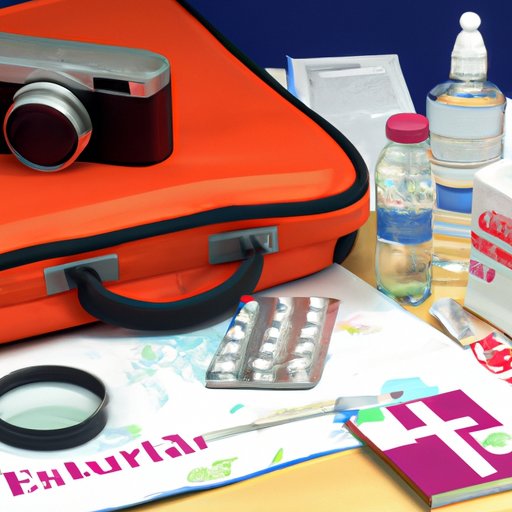
No matter the destination, it’s always a good idea to pack a first-aid kit. This should include basic items like bandages, antiseptic wipes, pain reliever, and antihistamines. For longer trips, adding items like thermometers, tweezers, and scissors may be beneficial.
First-aid kits can be purchased pre-made or assembled from scratch. Those who choose to assemble their own should consult a doctor or pharmacist for advice on which items to include. Additionally, it’s important to check expiration dates and restock supplies as needed.
Reading Reviews
Reading reviews can be helpful when planning a trip, as they provide valuable insight into potential accommodations, attractions, and activities. Look for reviews on websites like TripAdvisor and Yelp, as well as social media platforms like Facebook and Instagram.
Reading reviews can help travelers find the best restaurants, hotels, and attractions in the area. Additionally, they can provide information about the quality of service, prices, and amenities. This can help travelers get the most value for their money and avoid any unpleasant surprises.
Confirming Travel Arrangements
Once travel arrangements have been made, it’s important to confirm them in advance. This includes confirming flight times, hotel reservations, car rentals, and any other bookings. Additionally, double-check the address and contact information for each location.
By confirming travel arrangements in advance, travelers can ensure that they arrive at their destination on time and without any unexpected issues. Additionally, it’s important to contact airlines or hotels in the event of a delay or cancellation.
Emergency Contact List
Creating an emergency contact list can be a lifesaver in the event of an emergency. This should include contact information for family members, friends, and any other important people. Additionally, include contacts for local hospitals, police departments, and embassies.
Make sure to give copies of the emergency contact list to family members and friends. This way, if something happens, they can contact the appropriate people and get help quickly. Additionally, it’s a good idea to store the list in multiple locations, such as in a phone, wallet, or suitcase.
Conclusion
Before taking a trip, there are several things that should be checked in advance. This includes researching local laws and customs, checking the weather forecast, packing a first-aid kit, reading reviews, confirming travel arrangements, and creating an emergency contact list. Taking the time to do these things can help ensure a safe and enjoyable journey.
For further research, consider reading books or online articles about the destination. Additionally, talk to people who have visited the area to get insider tips and advice. By doing this, travellers can prepare for their trip and have a memorable experience.
(Note: Is this article not meeting your expectations? Do you have knowledge or insights to share? Unlock new opportunities and expand your reach by joining our authors team. Click Registration to join us and share your expertise with our readers.)