
Introduction
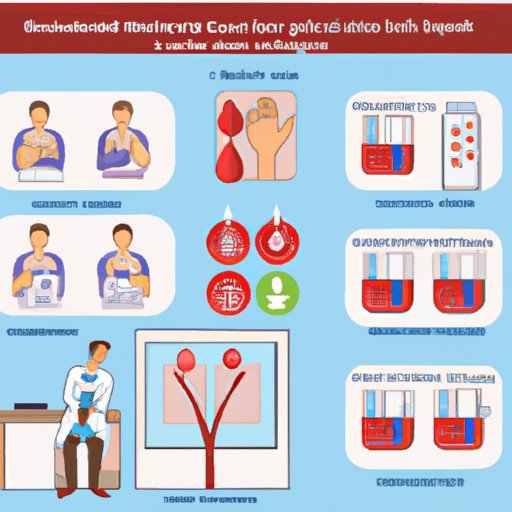
Blood donation is a noble act that helps save lives. It’s estimated that around 5 million people receive blood transfusions each year in the United States alone. The process of donating blood is strictly regulated by health authorities and involves a number of tests and screenings to ensure the safety of the donor and recipient. This article will explore the types of tests conducted when you donate blood and the importance of these tests in maintaining the safety of the blood supply.
Exploring the Safety Protocols Involved in Donating Blood
Donating blood is a safe and simple procedure that requires minimal preparation. Prior to donating blood, potential donors must meet certain criteria and provide information about their medical history and lifestyle. This information is used to assess the safety of the blood donation.
Types of Tests Administered
Before donating blood, potential donors must undergo a series of tests to determine if they meet the criteria for giving blood. These tests include:
- A physical exam to check vital signs such as pulse, respiration rate, and blood pressure.
- A hemoglobin test to measure the amount of hemoglobin in the blood.
- A blood type test to determine the donor’s blood type.
- An HIV test to detect any traces of HIV antibodies in the blood.
- A hepatitis B and C test to detect any traces of hepatitis B or C in the blood.
- A syphilis test to detect any traces of syphilis in the blood.
- A West Nile virus test to detect any traces of West Nile virus in the blood.
What is Screened During Blood Donation
In addition to the tests mentioned above, potential donors must also answer questions about their medical history and lifestyle. This is done to screen out donors who may be at risk of transmitting infectious diseases through their blood donation. Questions typically asked include:
- Have you ever had a positive test for HIV, hepatitis B or C, or syphilis?
- Have you ever been diagnosed with an infectious disease such as malaria or tuberculosis?
- Do you have any allergies or sensitivities?
- Have you traveled outside the United States in the past 12 months?
- Have you ever injected yourself with drugs not prescribed by a doctor?
- Are you currently taking any medications?
A Comprehensive Guide to the Screening Process for Blood Donors
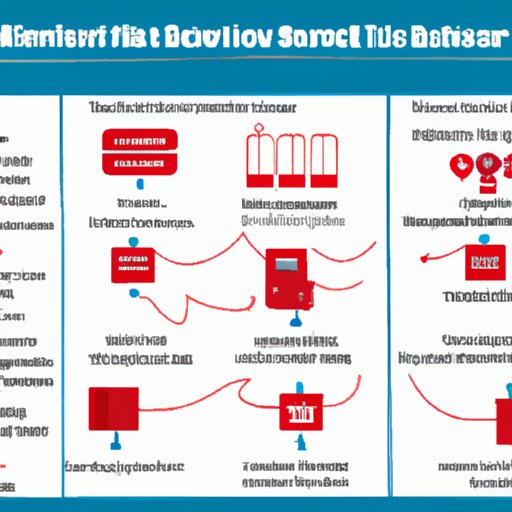
The screening process for blood donors involves three distinct stages: before, during, and after the donation. Each stage has its own set of tests and procedures that must be completed in order to ensure the safety of both the donor and recipient.
Before Donating Blood
Prior to donating blood, potential donors must complete a health questionnaire and undergo several tests to confirm that they meet the necessary criteria for donating. These tests include a physical exam, a hemoglobin test, a blood type test, and tests for HIV, hepatitis B and C, and syphilis. Potential donors must also answer questions about their medical history and lifestyle to screen out those who may be at risk of transmitting infectious diseases through their blood donation.
During Blood Donation
Once a potential donor has passed all of the necessary tests, they can proceed to the actual donation process. During this stage, the donor will have their blood drawn and tested for additional diseases such as West Nile virus. The blood will then be processed and stored until it is ready to be transfused into a recipient.
After Blood Donation
After the donation is complete, the donor will receive a follow-up call from the blood bank to confirm that their donation was successful. The donor will also be provided with a copy of their test results and given instructions on how to contact the blood bank if they have any questions or concerns.
Examining the Tests Required When You Donate Blood
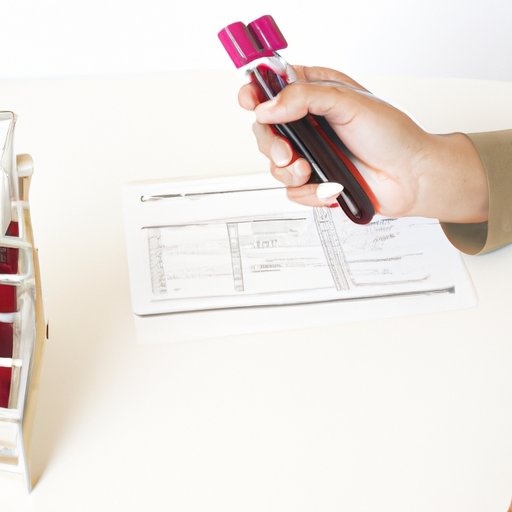
The tests required when you donate blood are designed to protect both the donor and the recipient from potential harm. By undergoing these tests, donors can be sure that their blood is safe to use and that it won’t put the recipient at risk of infection or illness.
What Tests Are Administered?
The tests required when you donate blood include a physical exam, a hemoglobin test, a blood type test, and tests for HIV, hepatitis B and C, syphilis, and West Nile virus. In addition, potential donors must answer questions about their medical history and lifestyle to screen out those who may be at risk of transmitting infectious diseases through their blood donation.
What are the Results Used For?
The results of these tests are used to assess the safety of the blood donation. If any of the tests come back positive, the blood donation will not be accepted and the donor will be advised to seek medical attention. The results of these tests are also used to screen out those who may be at risk of transmitting infectious diseases through their blood donation.
How Donations are Tested and Screened Before Being Used
Once a blood donation has been accepted, it is thoroughly tested and screened before being used. The blood is tested for various infectious diseases such as HIV, hepatitis B and C, syphilis, and West Nile virus. It is also screened for other blood-borne pathogens such as bacteria and viruses. Once the blood has passed all of the necessary tests and screenings, it is ready to be transfused into a recipient.
What Tests are Used to Screen Blood Donations?
The tests used to screen blood donations vary depending on the country and region. Generally speaking, the following tests are used to screen blood donations:
- HIV test
- Hepatitis B and C test
- Syphilis test
- West Nile virus test
- Bacterial and viral tests
How Blood Donations are Used
Once a blood donation has been tested and screened, it is ready to be used. Blood donations are typically used to treat patients who have lost blood due to surgery, trauma, or illness. They are also used to treat patients who have anemia or other blood disorders.

Understanding the Testing Process for Blood Donors
The testing process for blood donors is essential for ensuring the safety of the blood supply. By undergoing the necessary tests, donors can be sure that their blood is safe to use and that it won’t put the recipient at risk of infection or illness. Furthermore, the tests help to screen out those who may be at risk of transmitting infectious diseases through their blood donation.
Why is Testing Necessary?
Testing is necessary for two main reasons: to ensure the safety of the blood supply and to protect the health of the donor and recipient. By undergoing the necessary tests, donors can be sure that their blood is safe to use and that it won’t put the recipient at risk of infection or illness.
Benefits of Blood Donations
Donating blood has many benefits. Not only does it help to save lives, but it can also improve the donor’s overall health. Donating blood can reduce the risk of heart attack and stroke, and it can also help to reduce stress levels and improve sleep quality.
Conclusion
This article has explored the types of tests conducted when you donate blood and the importance of these tests in maintaining the safety of the blood supply. Potential donors must undergo a series of tests to determine if they meet the criteria for giving blood, and they must also answer questions about their medical history and lifestyle to screen out those who may be at risk of transmitting infectious diseases through their blood donation. Finally, once a blood donation has been accepted, it is thoroughly tested and screened before being used.
Summary of the Article
This article has provided a comprehensive guide to the screening and testing process involved in blood donations. It has explored the types of tests administered before, during, and after blood donation, as well as the tests used to screen blood donations and the benefits of donating blood. By undergoing the necessary tests, donors can be sure that their blood is safe to use and that it won’t put the recipient at risk of infection or illness.
Final Thoughts
Donating blood is a safe and simple procedure that requires minimal preparation. By undergoing the necessary tests and answering questions about their medical history and lifestyle, donors can be sure that their blood is safe to use and that it won’t put the recipient at risk of infection or illness. Furthermore, donating blood can help to save lives and improve the donor’s overall health.
(Note: Is this article not meeting your expectations? Do you have knowledge or insights to share? Unlock new opportunities and expand your reach by joining our authors team. Click Registration to join us and share your expertise with our readers.)