

Introduction
Culture can be defined as a set of shared beliefs, values, customs, behaviors, and artifacts that define a group of people. It is these shared characteristics that distinguish one culture from another and give each its own unique identity. This article will explore what makes up culture by examining the role of language, religion, art, geography, family, technology, and economics in shaping cultural values and practices.
Examining the Role of Language in Culture
Language is an essential part of any culture. It is the primary means by which we communicate with one another and share our ideas and values. As such, it plays an important role in shaping the culture of a society. According to linguist Edward Sapir, “language shapes the way we think and determines what we can think about.”
Language also has an influence on the way we view and interact with the world. For example, certain languages have grammatical structures that indicate whether an action is directed toward the speaker or toward someone else. This can affect the way people perceive their relationships with one another, as well as how they express themselves and interact with others.
In addition to the overall structure of a language, dialects and slang also play an important role in defining a culture. Dialects are regional variations of a language that may include different pronunciations, vocabulary, and even grammar. Slang terms are often used to create a sense of belonging among members of a particular group, and they can also be used to differentiate between outsiders and insiders.
Investigating the Effects of Religion on Culture
Religion can have a profound impact on the values and beliefs of a culture. It is often seen as a source of great strength, providing guidance and direction for individuals and communities. It can also provide a moral compass, helping people to make decisions and live according to certain principles.
Religion can shape cultural values in many ways. It can influence the way people view themselves and their place in the world. In some cultures, religious beliefs dictate the roles and responsibilities of men and women, as well as the type of behavior that is acceptable or unacceptable. Religious beliefs can also shape societal norms, influencing the way people relate to one another and the level of respect they show for one another.
Exploring the Impact of Art, Music, and Literature on Culture
Art, music, and literature are powerful forms of expression that can be used to convey a culture’s values and beliefs. Through these creative works, people can express their feelings, experiences, and perspectives. They can also be used to tell stories, pass down traditions, and reflect the values of a culture.
Creative expression can be used to represent the diversity of a culture. Different forms of art, music, and literature can reflect different aspects of a culture, such as its history, beliefs, and values. Creative works can also be used to celebrate a culture’s traditions, as well as to highlight the challenges faced by its people.
Looking at the Influence of Geography and Climate on Culture
Geography and climate can also have an effect on culture. Regions with similar climates and landscapes tend to share certain characteristics, such as types of food, clothing, and architecture. These regional characteristics can influence the values and beliefs of the people who inhabit them.
In addition, the availability of resources and the severity of the climate can also affect a culture. For example, regions with harsh climates may require the development of specific adaptations in order to survive. These adaptations can range from changes in diet to the use of certain tools and technologies.
Analyzing the Importance of Family and Social Customs in Culture
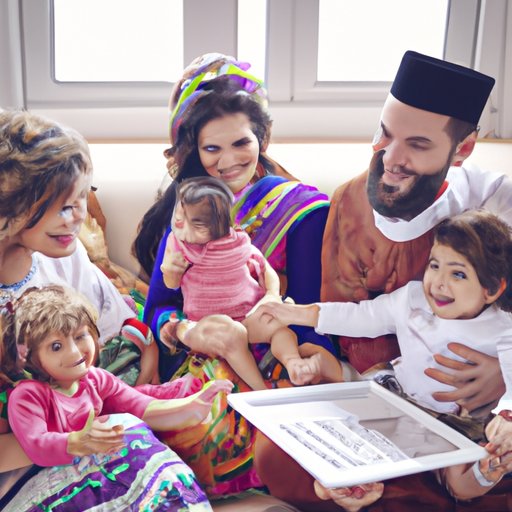
Family and social customs are an integral part of any culture. Families provide a sense of security and stability, and they can help to transmit values and beliefs from one generation to the next. Social customs, such as rituals, ceremonies, and festivals, can also serve to bring people together and strengthen the bonds between them.
These customs can provide a sense of identity and belonging for members of a culture. They can also be used to mark important events or transitions in life, such as birth, marriage, and death. By participating in these customs, people can learn more about their culture and gain a better understanding of its values and beliefs.
Studying the Role of Technology in Shaping Culture
Technology has had a huge impact on cultures around the world. It has enabled people to connect with one another across great distances and share information in ways that were previously not possible. Technology has also made it easier to access and produce creative works, such as art, music, and literature.
Technology has also had an influence on the way people interact with one another. Social media platforms, for example, have changed the way people communicate and build relationships. They have also provided a platform for people to express themselves and share their opinions with a wider audience.

Assessing the Role of Economics in Developing Culture
Economics plays an important role in the development of culture. The availability of resources, such as food, housing, and goods, can determine the type of lifestyle that is available to people. Economic factors can also influence the way people interact with one another and the types of activities they engage in.
The economy can also affect the way a culture develops over time. A strong economy can lead to increased opportunities and the development of new technologies and industries. Conversely, a weak economy can cause stagnation and inhibit progress. In either case, economic conditions can have a major impact on a culture’s values and beliefs.
Conclusion
This article has explored the various components that make up culture, including language, religion, art, geography, family, technology, and economics. Each of these factors has an influence on the values and beliefs of a culture and can help to shape its identity. By understanding the role of each of these components, we can gain a better understanding of the cultures we encounter and appreciate the diversity of the world around us.
(Note: Is this article not meeting your expectations? Do you have knowledge or insights to share? Unlock new opportunities and expand your reach by joining our authors team. Click Registration to join us and share your expertise with our readers.)