
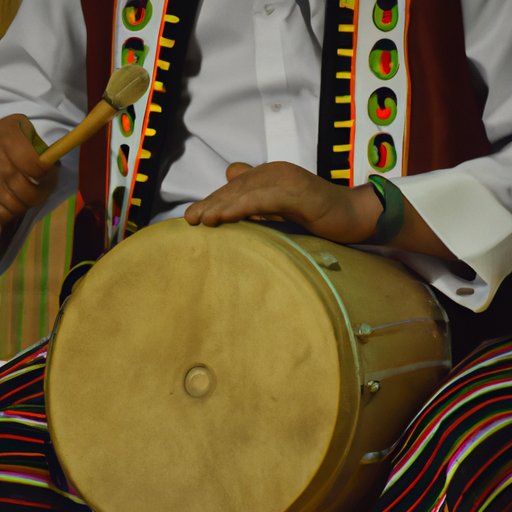
Introduction
Culture is a term used to describe the way of life of a particular society. It is an essential part of our identity and it shapes who we are as individuals. Culture is made up of many different components, from language and customs to art and music. In this article, we will explore what makes up a culture and how these components have evolved over time.
History and Background of a Culture
The history and background of a culture are some of the most defining components. The origins of a culture can tell us a lot about how it has developed and why certain aspects of it are so important. For example, the ancient Greek civilization is known for its philosophy and democratic values, both of which were influenced by their religious beliefs and practices.
In addition to the origins, other main influences on a culture may include geography, climate, and historical events. For instance, the French Revolution of 1789 had a major impact on the development of French culture, leading to the adoption of new values and ideals such as liberty, equality, and fraternity.
Language, Customs, and Traditions
Language is one of the most important aspects of a culture. It is a reflection of the history and values of a society and helps to shape its identity. Additionally, language is often intertwined with customs and traditions, which can provide insight into a culture’s beliefs and values. These customs and traditions can vary greatly from one culture to another and may include things like religious ceremonies, holidays, and special occasions.
For example, in India, the celebration of Diwali is an important cultural event that marks the victory of good over evil. This celebration includes lighting lamps, giving gifts, and sharing meals with family and friends. These customs and traditions help to reinforce the values of the Indian culture and create a sense of community.
Art, Music, and Literature
Art, music, and literature are also key components of a culture. They provide a unique expression of the values and beliefs of a society and can serve as a reflection of its character. Artwork, for example, can be used to represent a culture’s history, while music and literature can be used to communicate its values and emotions.
According to Dr. Robert DeMott, an expert on culture and literature, “Literature and art can be powerful tools for understanding the culture of a people. Through literature, we can gain insight into the values and beliefs of a society, as well as its history. Similarly, through art, we can appreciate the beauty and creativity of a culture.”
Food, Clothing, and Material Goods
Food, clothing, and material goods are all important components of a culture. These items can provide insight into a culture’s values and beliefs, as well as its economic and social status. For example, the traditional clothing of a culture can reflect its customs and traditions, while the types of food eaten can signify its values and beliefs regarding health and nutrition.
Additionally, material goods can be used to show a culture’s level of wealth and prosperity. For instance, in some cultures, the ownership of certain items such as cars or jewelry can be seen as a sign of status and success.
Social and Political Structures
Social and political structures are also essential components of a culture. These structures help to define the values and beliefs of a society and can have a major impact on its development. For example, in some cultures, there is a strong emphasis on hierarchy and obedience to authority, while in others there is a greater focus on individual freedom.
The evolution of social and political structures over time can also have a significant impact on a culture. For instance, in the United States, the civil rights movement of the 1960s led to major changes in society, such as the end of segregation and the introduction of new laws to protect the rights of minorities.

Impact of Globalization and Technology
Globalization and technology have had a profound effect on the development of cultures around the world. The spread of ideas, goods, and services across borders has created a global marketplace and enabled cultures to learn from and interact with one another in ways that were not possible before.
At the same time, advances in technology have allowed cultures to access information and resources that were previously unavailable. This has opened up new opportunities for cultural exchange and growth, as well as the potential for conflict between different cultures.
Conclusion
Culture is an essential part of our identity and it is made up of many different components. From language and customs to art and music, these components help to define a culture and provide insight into its values and beliefs. Additionally, globalization and technology have had a major impact on the development of cultures around the world, creating new opportunities for interaction and growth.
Ultimately, understanding what makes up a culture is essential for appreciating its uniqueness and for learning how to interact with other cultures in a respectful and meaningful way.
(Note: Is this article not meeting your expectations? Do you have knowledge or insights to share? Unlock new opportunities and expand your reach by joining our authors team. Click Registration to join us and share your expertise with our readers.)