
Introduction
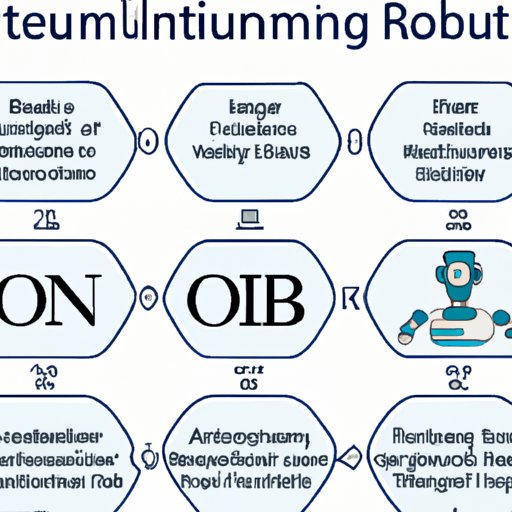
Robotics is a quickly growing field that has become an integral part of our lives. From factory floors to healthcare settings, robots are being used to automate tasks, increase efficiency, and improve safety. But what exactly is robotics? This article will explore the definition and meaning of robotics, as well as its history, components, applications, advantages and disadvantages, ethical considerations, and impact on businesses, industries, and consumers.
What is Robotics? Unpacking the Definition
Robotics is defined as “the science and technology of robots, their design, manufacture, and application.” In other words, robotics is the study of how robots are designed, built, and used in various fields. Robots are typically machines that are programmed to perform specific tasks autonomously or semi-autonomously. They can be used for a wide range of applications, from manufacturing to healthcare.
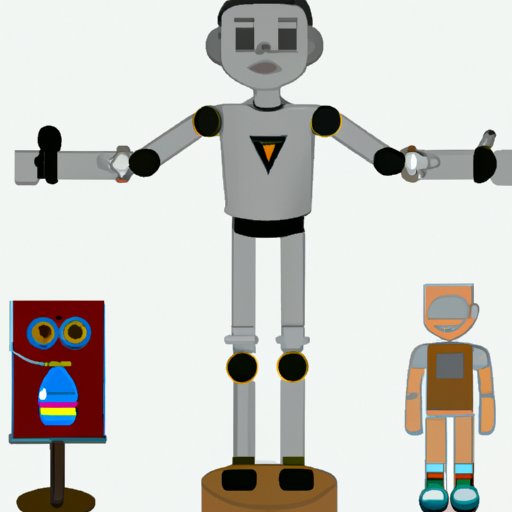
Robots can be divided into two main categories: humanoid robots and industrial robots. Humanoid robots are robots that are designed to look and act like humans. These robots are used in research settings and for entertainment purposes. Industrial robots, on the other hand, are robots that are used to automate tasks in factories or warehouses. These robots are typically programmed to perform repetitive tasks with precision and accuracy.
Robots have many benefits, such as increased efficiency, improved safety, and reduced costs. For example, robots can be used to automate tedious and dangerous tasks, such as welding or assembling products. This automation can help reduce the risk of injury to workers and increase the speed and accuracy of production. Additionally, robots can work 24/7 without breaks, further increasing productivity. Finally, robots can reduce labor costs by taking on tasks that would otherwise require human labor.
The History of Robotics and Its Meaning
Robotics has a long and fascinating history. The term “robot” was coined in 1921 by Czech playwright Karel Čapek in his play R.U.R., which stands for Rossum’s Universal Robots. In this play, Čapek introduced the idea of robots as machines that are programmed to do the bidding of their human masters.
The development of robotics began in the 1950s, when scientists started to explore the use of computers for controlling machines. In the 1960s, the first robotic arm was developed by George Devol. This robotic arm was the precursor to modern industrial robots, which are now commonly used in factories around the world. Since then, robotics technology has advanced significantly, leading to the development of robots for a wide range of applications, from healthcare to search and rescue.
Robotics has had a profound impact on society. It has changed the way we live, work, and interact with each other. For instance, robots are being used in manufacturing and healthcare settings to automate tasks and improve safety. Additionally, robots are being used in search and rescue operations to assist in difficult and dangerous situations. Finally, robots are being used in education to teach students and help them understand complex concepts.
Robotics: Understanding the Definition and Impact
When it comes to understanding the definition and impact of robotics, it’s important to differentiate between robotics, automation, and artificial intelligence (AI). Robotics is the science and technology of robots, their design, manufacture, and application. Automation is the use of control systems to operate machinery, processes, and other equipment without direct human intervention. And AI is the ability of a computer system to think and learn like a human.
Robotics has had a major impact on businesses, industries, and consumers. For businesses, robotics can help reduce costs and improve efficiency. For industries, robotics can help reduce labor costs and improve safety. And for consumers, robotics can provide convenience and access to new technologies.
Robotics has also had an impact on the job market. As robots become more capable, they are taking on tasks that were once done by humans. This has led to some jobs becoming obsolete, while new jobs are being created to deal with the changing landscape. As a result, it’s important for people to stay up-to-date on new technologies and be prepared to adapt to the changing job market.
A Comprehensive Guide to Robotics and Its Meaning
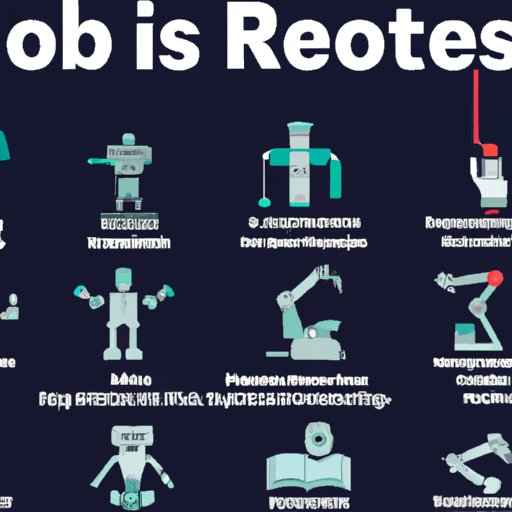
Robotics is a rapidly expanding field with many different branches. Some of these branches include medical robotics, military robotics, educational robotics, and space robotics. Each branch has its own set of applications, advantages, and disadvantages.
Robotics can be used for a variety of applications. In the medical field, robots are being used to perform surgery and other medical procedures. In the military, robots are being used to conduct reconnaissance missions and defuse bombs. In education, robots are being used to teach students and help them understand complex concepts. And in space, robots are being used to explore distant planets and gather data.
Robotics also poses ethical considerations. For instance, if robots are used to replace human workers, there is a risk of unemployment and economic disruption. Additionally, if robots are used to conduct dangerous tasks, there is a risk of injury or death. Finally, if robots are used to make decisions, there is a risk of bias and discrimination.

Robotics: Examining the Concepts and Definition
In order to understand the concepts and definition of robotics, it’s important to take a closer look at the components of robotics. These components include sensors, actuators, processors, and software. Sensors are used to detect changes in the environment. Actuators are used to move the robot in response to the sensors. Processors are used to interpret data from the sensors and determine the appropriate action. And software is used to program the robot and give it instructions.
Robotics also has both advantages and disadvantages. On the one hand, robotics can help increase efficiency and safety, reduce costs, and automate tedious tasks. On the other hand, robotics can lead to unemployment and economic disruption, as well as biased and unethical decision making. Therefore, it’s important to consider the risks and rewards associated with robotics before implementing it.
Finally, there are several challenges facing robotics. These challenges include developing effective algorithms, improving the accuracy of sensors, and ensuring that robots can safely interact with humans. As robotics continues to evolve, these challenges must be addressed in order to ensure the safe and effective use of robots.
Conclusion
Robotics is a rapidly expanding field that has become an integral part of our lives. This article has explored the definition and meaning of robotics, including its history, components, applications, advantages and disadvantages, ethical considerations, and impact on businesses, industries, and consumers. Robotics can be used for a wide range of applications, from manufacturing to healthcare. However, it’s important to consider the risks and rewards associated with robotics before implementing it.
Overall, robotics is a fascinating field that has the potential to revolutionize the way we live, work, and interact with each other. As robotics continues to evolve, it will be interesting to see how it continues to shape our world.
(Note: Is this article not meeting your expectations? Do you have knowledge or insights to share? Unlock new opportunities and expand your reach by joining our authors team. Click Registration to join us and share your expertise with our readers.)