
Introduction
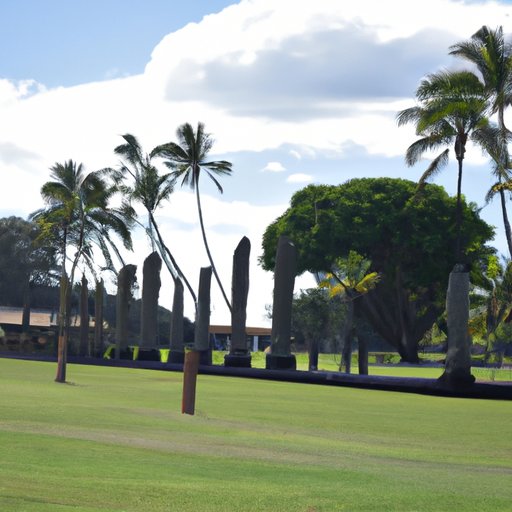
Hawaiian culture is a unique blend of ancient traditions and modern influences. It is composed of native Hawaiian customs and values as well as influences from other cultures. This article will explore the history, practices, beliefs, and influences that shape the culture of Hawaii.
Exploring the Traditional Hawaiian Culture
The traditional Hawaiian culture has its roots in the Polynesian people who first settled the islands around 500 A.D. The Polynesians brought with them their language, religion, and customs. Over time, these traditions evolved to create a distinct Hawaiian culture.
The traditional Hawaiian culture is based on respect for nature, family, and spirituality. Hawaiians believed in the power of mana, or divine power, and sought to maintain harmony between humans and nature. They had a close relationship with the land and sea, which provided sustenance and spiritual nourishment. Practically speaking, this meant living off the land, fishing, and growing crops.

A Guide to Hawaiian Cultural Practices and Beliefs
Food and music are two important expressions of Hawaiian culture. Traditional dishes such as poi (mashed taro root) and laulau (pork and fish wrapped in taro leaves) reflect the importance of agriculture in Hawaiian life. Music and dance are also an integral part of Hawaiian culture, with the hula being the most iconic form of expression.
Tourism has also had a major influence on Hawaiian culture. Tourists come to the islands to experience the unique beauty and culture of Hawaii. As a result, many aspects of Hawaiian culture have been assimilated into tourist experiences, from luaus to lei-making lessons.
Religion has also played a significant role in shaping Hawaiian culture. Ancient Hawaiians were polytheistic and believed in gods and goddesses associated with nature. Christianity was introduced to the islands by missionaries in the 19th century, and today both Christian and traditional Hawaiian religions are practiced.
History of Hawaiian Culture and its Influences on Today’s Society
Hawaiian culture has a long and fascinating history. The islands were once governed by a monarchy, and the ancient traditions and customs of the Hawaiian people were passed down orally from generation to generation. In 1893, the monarchy was overthrown and the islands were annexed by the United States. This period marked a dramatic shift in Hawaiian culture and identity.
Today, Hawaiian culture is still alive and vibrant. It can be seen in the music, art, and cuisine of the islands. Hawaiian culture also influences the values and attitudes of the people living in Hawaii today. Respect for the environment, family, and spirituality remain at the core of Hawaiian culture.
How Food and Music Shape the Hawaiian Culture
Food and music are integral to Hawaiian culture. Traditional dishes such as poi and laulau are staples in Hawaiian cuisine. These dishes are often prepared with local ingredients such as taro, sweet potatoes, and fish. Eating and sharing meals together is an important way of connecting with family and friends in Hawaiian culture.
Music and dance are also important expressions of Hawaiian culture. The hula is a traditional form of storytelling that is used to share stories and convey messages. Other musical instruments such as the ukulele and the steel guitar are also popular in Hawaiian music.
Examining the Role of Tourism in Hawaiian Culture
Tourism has had a significant impact on Hawaiian culture. Tourists come to the islands to experience the unique beauty and culture of Hawaii. As a result, many aspects of Hawaiian culture have been assimilated into tourist experiences, from luaus to lei-making lessons.
While tourism has brought economic benefits to the islands, it has also had negative effects on Hawaiian culture. Tourist activities have disrupted traditional ways of life, and some cultural practices have been commercialized in order to appeal to tourists.
However, there is also a movement to preserve and protect Hawaiian culture. Organizations such as Hui No’eau Visual Arts Center offer classes and workshops to teach traditional arts and crafts. The Hawaiian Cultural Center of Hamakua is another organization dedicated to preserving and promoting Hawaiian culture.
The Impact of Religion on Hawaiian Culture
Religion has played an important role in Hawaiian culture. Ancient Hawaiians believed in multiple gods and goddesses associated with nature. They also had a strong relationship with their ancestors and respected the spirits of their ancestors.
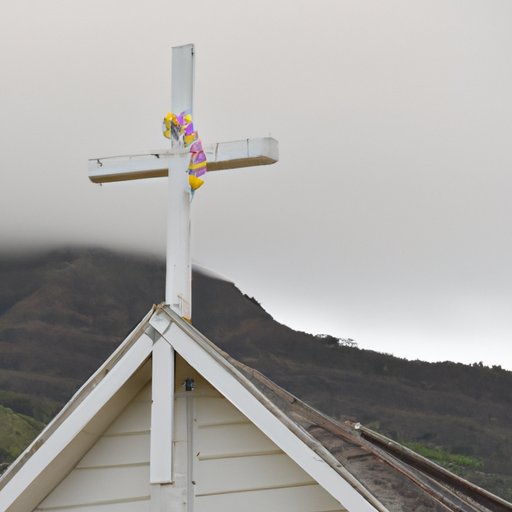
Christianity was introduced to the islands by missionaries in the 19th century. Today, many Hawaiians practice both Christian and traditional Hawaiian religions. Hawaiian spirituality is still very much alive today and is reflected in the values and attitudes of the people living in Hawaii.
Conclusion
Hawaiian culture is a unique blend of ancient traditions and modern influences. It is based on respect for nature, family, and spirituality. Food and music are important expressions of Hawaiian culture, and tourism has had a major influence on the islands. Religion has also played a significant role in shaping Hawaiian culture.
Hawaiian culture is alive and vibrant, and its influence can be seen in the music, art, and cuisine of the islands. It is important to preserve and protect Hawaiian culture so that future generations can continue to appreciate and practice its traditions.
(Note: Is this article not meeting your expectations? Do you have knowledge or insights to share? Unlock new opportunities and expand your reach by joining our authors team. Click Registration to join us and share your expertise with our readers.)