
Introduction
India is a country with a rich and vibrant cultural history that dates back thousands of years. From the ancient roots of Indian civilization to the more recent impact of colonialism, the culture of India has been shaped by many different influences. This article will explore the various aspects of India’s culture, including its history, art, music, festivals, cuisine, religious practices, and traditional clothing.
History of India’s Cultural Heritage
The earliest known civilization in India was the Indus Valley civilization, which flourished from about 3000 BC to 1700 BC. This ancient civilization had a sophisticated system of government, as well as an advanced urban infrastructure. It is believed that this civilization had a strong influence on the development of Hinduism, Buddhism, and other religions.
From the 16th century onward, India was under the rule of various European colonial powers, including the British. During this period, India underwent significant changes to its social and political structures. The British Raj imposed a new set of laws and regulations, as well as introducing Christianity and Western education. These changes had a profound effect on Indian culture, particularly with regard to language, literature, and the arts.
Exploring the Diversity of Indian Art and Music
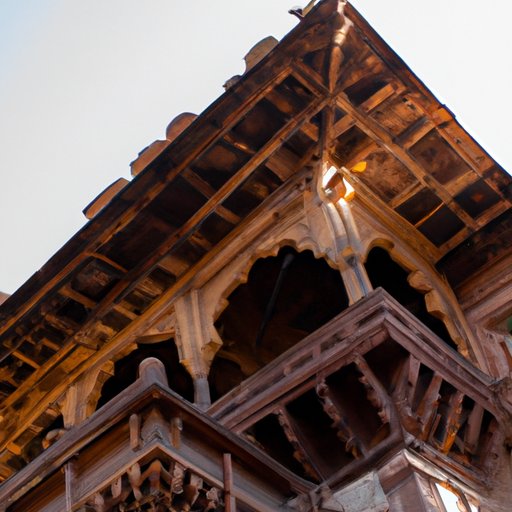
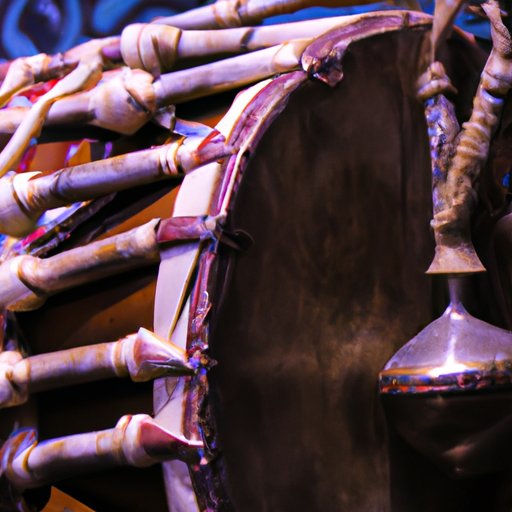
Indian art and music have been shaped by both indigenous traditions and foreign influences. Traditional forms of Indian music include classical Carnatic and Hindustani music, as well as folk music from various regions. Popular art forms include painting, sculpture, and architecture. Many of these art forms are inspired by Hindu mythology and spiritual themes.
Traditional Indian dance forms such as Bharatanatyam, Kathak, and Odissi are still popular today. These dances are often accompanied by devotional songs or stories from Hindu mythology. In addition, modern forms of dance such as Bollywood and hip-hop have become increasingly popular in recent years.
Examining India’s Festivals and Celebrations
India celebrates a wide variety of festivals throughout the year, from national holidays to religious celebrations. Some of the most popular festivals include Diwali, Holi, Raksha Bandhan, and Durga Puja. These festivals are celebrated with much enthusiasm and joy, and often involve colorful rituals, feasting, and gift-giving.
Religious festivals in India are also very important. Hindus observe numerous festivals throughout the year, including Janmashtami (the birthday of Lord Krishna), Ganesh Chaturthi (the birth of Lord Ganesha), and Navratri (nine nights of worship). Buddhists celebrate Vesak (the Buddha’s birthday) and Theravada New Year, while Muslims observe Eid al-Fitr and Eid al-Adha.
Exploring the Indian Cuisine
Indian cuisine is renowned for its diversity and richness. Regional dishes vary greatly, with distinctive flavors and ingredients. Popular dishes include tandoori chicken, biryani, samosas, pakoras, and naan. Common ingredients used in Indian cooking include spices such as turmeric, cumin, coriander, and cardamom, as well as vegetables, lentils, and dairy products.
An Overview of India’s Religious Practices
India is a multi-religious society, with Hinduism, Buddhism, Sikhism, Jainism, and Islam being the main religions. Hinduism is the largest religion in India, followed by Islam, Christianity, Sikhism, and Buddhism. Each religion has its own beliefs and practices, but there is also much overlap between them.
Hinduism is based on the Vedas, a collection of ancient texts. Hindus believe in reincarnation and karma, and worship multiple deities. Buddhism is a religion founded by Siddhartha Gautama, and it emphasizes meditation, compassion, and non-attachment. Sikhism is a monotheistic religion founded by Guru Nanak in the 15th century, while Jainism is an ancient religion that promotes non-violence and vegetarianism.
How Indian Clothing Reflects its Culture
Clothing in India is heavily influenced by its culture. Traditional attire includes sarees for women, and dhotis and Kurta pyjamas for men. Women often wear jewelry made of gold and silver, and may also adorn their hands and feet with henna tattoos. Contemporary styles of dress are becoming increasingly popular, particularly among younger generations.
Examining the Impact of Colonialism on India’s Culture
Colonialism had a significant impact on Indian culture. Social structures were changed as the British Raj imposed a new set of laws and regulations. Religion was also impacted, with Christianity and Western education being introduced. The English language became the official language of India, and was used in all areas of public life.
Despite the impact of colonialism, Indian culture remains distinct and vibrant. The country has managed to maintain its traditional values and customs, while also embracing modern influences. Indian culture continues to evolve and adapt, making it one of the most fascinating and diverse cultures in the world.
Conclusion
India is a country with a rich and varied culture, which has been shaped by its ancient historical roots and more recent colonial influences. Exploring India’s culture reveals its many facets, from traditional art and music to religious festivals and cuisine. Its traditional clothing reflects its culture, while contemporary styles are becoming increasingly popular. Despite the impact of colonialism, Indian culture has managed to remain distinct and vibrant.
This article has provided an overview of India’s culture, exploring its history, art, music, festivals, cuisine, religious practices, and clothing. The influence of colonialism on Indian culture is also examined, illustrating how the country has managed to maintain its traditional values while embracing modern influences.
(Note: Is this article not meeting your expectations? Do you have knowledge or insights to share? Unlock new opportunities and expand your reach by joining our authors team. Click Registration to join us and share your expertise with our readers.)