
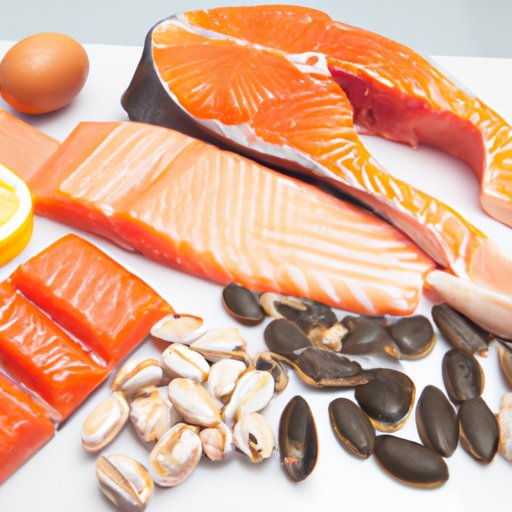
Introduction
When it comes to healthy eating, there are many options to choose from. Two of the most popular protein sources are chicken and salmon. While these two foods have different tastes and textures, they also have different nutritional values. This article will provide an in-depth look at the health benefits and risks associated with eating chicken or salmon. It will compare the nutritional value of each food, examine the different types of fats found in them, and explore the role of protein in diets that include either chicken or salmon.
A Comparison of the Health Benefits of Chicken and Salmon
Chicken and salmon are both excellent sources of protein and essential vitamins and minerals. However, they have different levels of fat and cholesterol, as well as different amounts of omega-3 fatty acids. It is important to understand the nutritional differences between these two foods in order to make an informed decision about which one is healthier for you.
Overview of Nutritional Differences
When comparing chicken and salmon, the first thing to consider is the amount of fat and cholesterol. Chicken typically contains more saturated fat than salmon, but less monounsaturated and polyunsaturated fat. Salmon, on the other hand, contains more monounsaturated and polyunsaturated fat than chicken. The difference in fat content is important because saturated fat can raise cholesterol levels, while monounsaturated and polyunsaturated fats can help lower cholesterol levels.
Health Benefits of Eating Chicken
Chicken is an excellent source of lean protein, which is important for building muscle and maintaining a healthy weight. It is also a good source of B vitamins, which are essential for energy production and metabolism. Additionally, chicken is high in selenium, zinc, and phosphorus, all of which are important for immunity and overall health.

Health Benefits of Eating Salmon
Salmon is an excellent source of protein, B vitamins, and omega-3 fatty acids. Omega-3 fatty acids are important for heart health and brain development. Salmon is also a good source of vitamin D, which is important for bone health and immune system function. Additionally, salmon is high in potassium, which helps regulate blood pressure.
Exploring the Nutritional Value of Chicken vs. Salmon
When comparing the nutritional value of chicken and salmon, it is important to consider the macronutrients (carbohydrates, protein, and fat), as well as the vitamins and minerals they contain. Chicken is a good source of carbohydrates, protein, and fat, while salmon is higher in protein and lower in fat.
Macronutrients (Carbohydrates, Protein, Fat)
Chicken is a good source of carbohydrates, providing approximately 20% of the daily recommended intake. It is also a good source of protein, providing approximately 25% of the daily recommended intake. As for fat, chicken is a moderate source, providing approximately 10% of the daily recommended intake.
Salmon is a good source of carbohydrates, providing approximately 15% of the daily recommended intake. It is also an excellent source of protein, providing approximately 35% of the daily recommended intake. As for fat, salmon is a moderate source, providing approximately 15% of the daily recommended intake.
Vitamins and Minerals
Both chicken and salmon are good sources of vitamins and minerals. Chicken is rich in B vitamins, such as thiamin, riboflavin, niacin, vitamin B6, and folate. It is also a good source of selenium, zinc, and phosphorus. Salmon is rich in B vitamins, such as thiamin, riboflavin, niacin, vitamin B6, and folate. It is also a good source of vitamin D, omega-3 fatty acids, and potassium.
An In-Depth Look at the Pros and Cons of Eating Chicken or Salmon
When deciding whether to eat chicken or salmon, it is important to consider both the pros and cons. Eating either food has its own set of benefits and risks.

Pro: Lower Cholesterol and Reduced Risk of Heart Disease
Eating either chicken or salmon can help lower cholesterol levels and reduce the risk of heart disease. Both foods are low in saturated fat and high in monounsaturated and polyunsaturated fats, which can help reduce cholesterol levels. Additionally, salmon is high in omega-3 fatty acids, which are beneficial for heart health.

Pro: High in Essential Amino Acids
Both chicken and salmon are good sources of essential amino acids, which are important for building muscle and maintaining a healthy weight. Chicken is especially high in the amino acid leucine, which is important for muscle repair and growth. Salmon is also high in the amino acid tryptophan, which is important for promoting relaxation and sleep.

Con: Possible Contamination from Pesticides and Hormones
One potential risk of eating chicken or salmon is the possibility of contamination from pesticides and hormones. Farmed salmon may be exposed to higher levels of contaminants than wild salmon, so it is important to choose wild-caught salmon when possible. Additionally, chicken can be contaminated with hormones, so it is important to buy organic chicken whenever possible.
Examining the Different Types of Fats Found in Chicken and Salmon
When comparing chicken and salmon, it is important to consider the types of fat they contain. Chicken is a moderate source of saturated fat, providing approximately 5% of the daily recommended intake. It is also a good source of monounsaturated and polyunsaturated fat, providing approximately 10% and 5% of the daily recommended intake, respectively.
Salmon is a moderate source of saturated fat, providing approximately 6% of the daily recommended intake. It is also an excellent source of monounsaturated and polyunsaturated fat, providing approximately 13% and 8% of the daily recommended intake, respectively.
Understanding the Role of Protein in Chicken and Salmon Diets
Protein is an important part of any healthy diet, and both chicken and salmon are excellent sources of protein. Chicken provides approximately 25% of the daily recommended intake of protein, while salmon provides approximately 35%. Protein is important for building muscle, maintaining a healthy weight, and providing energy.
Comparing the Omega-3 Fatty Acids Content of Chicken and Salmon
Omega-3 fatty acids are important for heart health and brain development. Salmon is an excellent source of omega-3 fatty acids, providing approximately 1,000 mg per 3-ounce serving. Chicken, on the other hand, is not a good source of omega-3 fatty acids, providing only trace amounts.
Conclusion
Both chicken and salmon are excellent sources of protein, essential vitamins and minerals, and healthy fats. However, there are some key differences between the two. Chicken is higher in saturated fat and does not contain significant amounts of omega-3 fatty acids. Salmon, on the other hand, is higher in monounsaturated and polyunsaturated fat and is an excellent source of omega-3 fatty acids. When making a decision about which food to eat, it is important to consider the nutritional value of each one, as well as the potential health benefits and risks associated with eating either one.
In conclusion, both chicken and salmon can be part of a healthy diet. However, if you are looking for a food that is higher in omega-3 fatty acids and monounsaturated and polyunsaturated fats, then salmon is the better choice. On the other hand, if you are looking for a food that is higher in protein and B vitamins, then chicken is the better choice. Ultimately, the best way to ensure optimal health is to eat a balanced diet that includes a variety of nutritious foods.
(Note: Is this article not meeting your expectations? Do you have knowledge or insights to share? Unlock new opportunities and expand your reach by joining our authors team. Click Registration to join us and share your expertise with our readers.)