
Introduction
Greece has a long and storied history that dates back to antiquity. As one of the oldest civilizations in the world, it has left behind a cultural legacy that has had an indelible impact on modern society. This article will explore the various aspects of Greek culture, from its language and ancient religious beliefs to its art and architecture, cuisine, music and dance, and education and philosophy.
The Greek Language
The Greek language is one of the oldest living languages in the world, with evidence of its use dating back to the 15th century BC. It is classified as an Indo-European language, meaning it shares similar roots with languages like Latin, Sanskrit, and German. Over the centuries, the Greek language has been heavily influenced by foreign cultures and languages, particularly Latin, Italian, and Turkish. Today, it is spoken by more than 13 million people throughout Greece, Cyprus, and other parts of the world.
Greek has had a significant influence on modern languages, including English. Many English words have their roots in Greek, such as “theory”, “philosophy”, and “democracy”. In addition, many English letters are derived from Greek characters, including alpha, beta, gamma, and delta.
Ancient Greek Religion and Beliefs
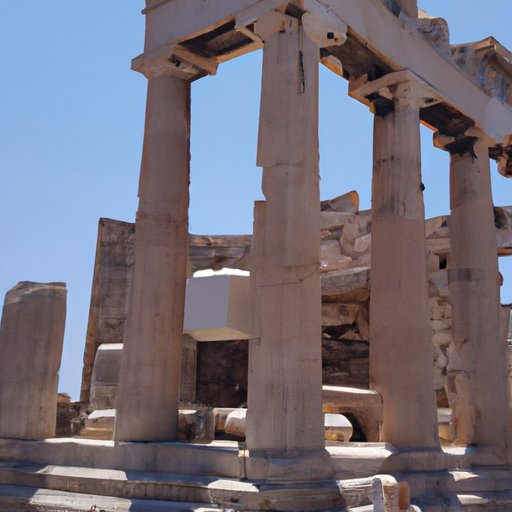
Religion played an important role in Ancient Greek life. The Greeks worshipped a pantheon of gods, each of which had different roles and responsibilities. They believed that these gods were responsible for everything from the weather to human emotions. The most important gods were Zeus, Poseidon, and Hades, who were considered the rulers of the universe.
The Ancient Greeks also believed in fate and destiny. They believed that all events were predetermined and that humans had little control over their lives. This belief was reflected in their literature, art, and architecture, which often depicted scenes of gods and goddesses interacting with humans.
Art and Architecture
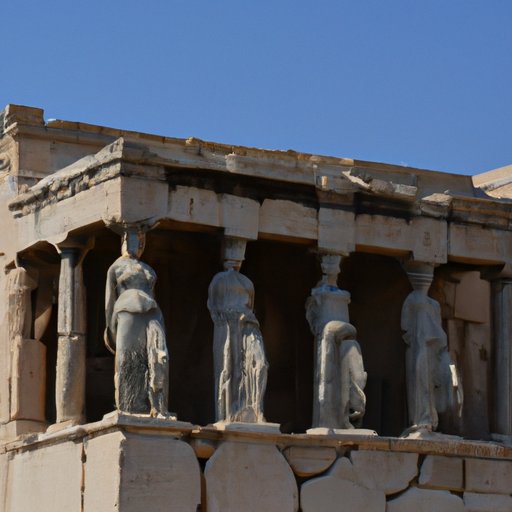
The Ancient Greeks were renowned for their artistic prowess, particularly in the fields of sculpture, pottery, painting, and architecture. Some of the most notable examples of Greek artistry include the Parthenon in Athens, the Temple of Apollo at Delphi, and the Statue of Zeus at Olympia. These structures are still admired today for their beauty and ingenuity.
Greek architecture was also highly influential. The Greeks developed the three main architectural styles – Doric, Ionic, and Corinthian – which are still used in modern buildings. They also pioneered the use of columns to support structures, a technique which is still used today.
Greek Cuisine and the Mediterranean Diet
Greek cuisine is renowned for its fresh ingredients and healthy approach to cooking. Traditional dishes include tzatziki, moussaka, and spanakopita. Olive oil is used liberally in Greek cooking, as are herbs and spices such as oregano, thyme, and cinnamon. Greek food is also known for its generous use of vegetables and seafood.
The Mediterranean diet, which is based on traditional Greek cuisine, is widely regarded as one of the healthiest in the world. Studies have shown that people who follow the Mediterranean diet have lower rates of heart disease, diabetes, and obesity. The diet is also high in antioxidants, which can help protect against cancer and other diseases.
Music and Dance
Music and dance have always been an integral part of Greek culture. Traditional folk music is still popular today, with instruments such as the bouzouki and the lyra used to create a unique sound. Popular dances include the syrtaki, sirtaki, and kalamatiano, which are performed at weddings and other celebrations.
The most famous Greek celebration is the Panathenaic Festival, which takes place every four years in Athens. During this festival, citizens gather to celebrate the goddess Athena and enjoy music and dancing. The festival culminates in the crowning of the winner of the torch race, a symbolic gesture of goodwill between the people of Greece and the rest of the world.
Education and Philosophy
The Ancient Greeks were pioneers in the field of education and philosophy. Their schools, known as gymnasiums, taught students not just academic subjects but also physical activity and ethics. This holistic approach to education laid the groundwork for modern educational systems.
The Ancient Greeks were also responsible for some of the most influential philosophical thought in history. Notable philosophers include Socrates, Plato, and Aristotle, who laid the foundations for Western philosophy. Their ideas about politics, science, and morality continue to influence modern society.
Conclusion
Greece has a rich and vibrant culture that has had a profound impact on the world. Its language, religion, art and architecture, cuisine, music and dance, and education and philosophy have all contributed to the global cultural landscape. From the Parthenon to the Mediterranean diet, Greek culture has made its mark on the world and will continue to do so for many years to come.
(Note: Is this article not meeting your expectations? Do you have knowledge or insights to share? Unlock new opportunities and expand your reach by joining our authors team. Click Registration to join us and share your expertise with our readers.)