
Introduction
Bulking is a fitness practice that focuses on gaining muscle mass and strength. It involves adjusting your exercise routine, diet, and supplement intake in order to promote muscle growth. While bulking can be an effective way to reach your fitness goals, it’s important to understand the potential risks and benefits of this practice before you begin.
What is Bulking? An Overview of the Fitness Practice
Bulking is a type of fitness practice that is designed to build muscle mass over time. This practice typically involves a combination of heavy weightlifting, an increase in caloric intake, and the use of supplements. The goal of bulking is to gain muscle mass without gaining too much fat.
There are two main types of bulking: clean bulking and dirty bulking. Clean bulking involves eating a nutrient-dense diet and limiting unhealthy foods. Dirty bulking involves eating a higher-calorie diet with less focus on nutrition. Both types of bulking involve increasing your caloric intake, but clean bulking does so in a healthier manner.
How to Bulk Up: A Step-by-Step Guide for Beginners
If you’re new to bulking, it’s important to understand the basics before you start. Here’s a step-by-step guide to help you get started:
Establishing a Goal
Before you start bulking, it’s important to set a goal. Think about what you want to achieve and create a plan to help you reach it. Consider factors such as how much time you have available and your current level of fitness.
Creating an Exercise Program
Once you’ve established your goal, create an exercise program that will help you reach it. Focus on compound movements that target multiple muscle groups, such as squats, deadlifts, and bench presses. Aim for at least three days of weightlifting per week.
Adjusting Your Diet
Your diet plays an important role in bulking. Increase your daily caloric intake by adding healthy, high-calorie foods such as nuts, seeds, avocados, and lean proteins. Avoid processed foods and sugary drinks.
Incorporating Supplements
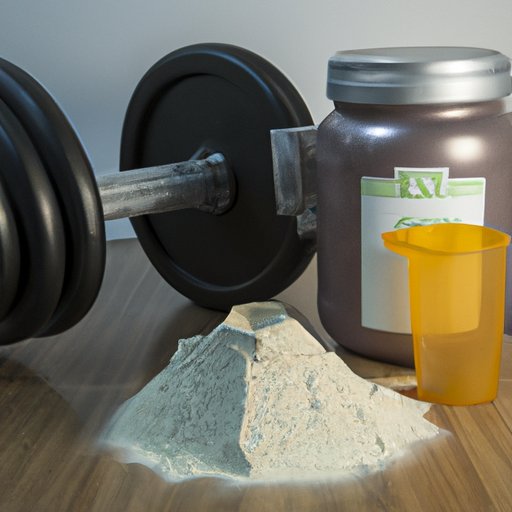
Supplements can be a helpful addition to your bulking routine. Popular supplements include whey protein and creatine, which can help support muscle growth. Talk to your doctor before taking any supplements to make sure they’re safe for you.
Tracking Progress
Finally, track your progress to monitor your results. Take photos, measure your body fat percentage, and keep a record of your workouts. This will help you stay motivated and adjust your routine if necessary.

Benefits and Risks of Bulking in Fitness
Bulking can provide many benefits, but there are also some potential risks to consider. Here’s a look at the pros and cons of bulking in fitness:
Benefits
The primary benefit of bulking is increased muscle mass. This can lead to improved strength, better physical performance, and a more toned physique. Bulking can also help improve your overall health, as it can increase your metabolism, lower cholesterol levels, and reduce stress.
Risks
While bulking can be beneficial, it’s important to be aware of the potential risks. If you’re not careful, you may end up gaining too much fat or suffering from dehydration or fatigue. You should also be mindful of your joint health, as bulking can put extra strain on your joints.
The Science Behind Bulking: Exploring the Physiology of Muscle Growth
To understand how bulking works, it’s important to have a basic understanding of muscle anatomy and physiology. Here’s a brief overview of the science behind muscle growth:
An Overview of Muscle Anatomy
Muscles are made up of bundles of fibers called myofibrils. These myofibrils are composed of filaments of proteins such as actin and myosin. When muscles contract, these filaments slide past each other and generate force. Over time, these contractions cause the myofibrils to become thicker and stronger.
The Role of Protein
Protein is essential for muscle growth. It helps build and repair muscle tissue, and it provides the body with the amino acids needed for muscle synthesis. Eating enough protein is key for successful bulking, so make sure to include plenty of high-protein foods in your diet.
Hormones and Muscle Growth
Hormones also play an important role in muscle growth. Testosterone and growth hormone stimulate muscle protein synthesis and promote muscle growth. Eating a balanced diet and getting enough sleep can help ensure that your body produces adequate amounts of these hormones.
Common Mistakes to Avoid When Bulking Up for Fitness
Bulking can be an effective way to reach your fitness goals, but it’s important to avoid common mistakes. Here are some tips to help you bulk up safely and effectively:
Overeating
When bulking, it’s important to increase your caloric intake, but don’t go overboard. Overeating can lead to unwanted weight gain and put unnecessary strain on your digestive system. Eat nutrient-dense foods in moderation and track your calories to make sure you’re not overeating.
Not Prioritizing Sleep
Sleep is essential for muscle growth. During sleep, your body produces hormones such as testosterone and growth hormone, which are necessary for muscle recovery and growth. Make sure to get at least seven to nine hours of quality sleep each night.
Not Varying Exercises
If you’re lifting weights, it’s important to vary your exercises. Doing the same exercises over and over again can cause your muscles to plateau, so mix things up to keep your muscles challenged. Try different exercises, change up your reps and sets, and incorporate rest days into your routine.
Conclusion
Bulking is a popular fitness practice for gaining muscle mass. It involves adjusting your exercise routine, diet, and supplement intake in order to promote muscle growth. While bulking can be an effective way to reach your fitness goals, it’s important to understand the potential benefits and risks of this practice.
Bulking requires consistency and dedication, so it’s important to stay focused and motivated. Set realistic goals, track your progress, and be mindful of your diet and supplement intake. With proper planning and preparation, you can safely and effectively bulk up and reach your fitness goals.
(Note: Is this article not meeting your expectations? Do you have knowledge or insights to share? Unlock new opportunities and expand your reach by joining our authors team. Click Registration to join us and share your expertise with our readers.)